 Skip to content
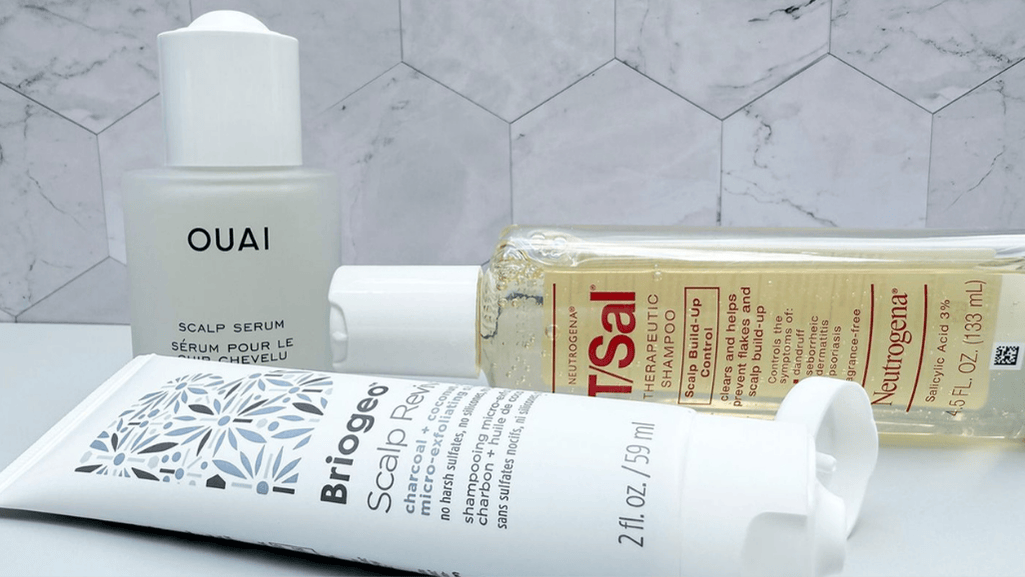

Your scalp is skin. A balanced, clean base supports stronger, better-looking hair. When the base is healthy, you see fewer flakes, less itch, and more resilience in strands.
This guide matches common concerns — dryness, oiliness, dandruff, acne, and thinning — to the best format and active ingredients. You’ll learn which formats work: pre-wash masks, oils, scrubs, serums, sprays, and targeted shampoos, and how to fit them into a simple routine.
Expect clear, purchase-focused picks chosen for real-world performance and ingredients that address symptoms without overdoing it. Each pick explains why it works, how often to use it, and how to avoid over-treatment.
If you have thick scaling, painful inflammation, or severe hair loss, seek medical evaluation. This roundup covers cosmetic options that help most people, but some signs need clinical care.
Key Takeaways
- Healthy skin at the root supports stronger, shinier hair.
- Match concern (dryness, oiliness, dandruff, thinning) to the right format.
- Look for proven actives and simple routines to avoid overuse.
- We highlight worth-buying options now and explain why they work.
- See a clinician for severe or persistent symptoms.
How to Choose the Best Scalp Treatments for Your Scalp Type</h2>
Start by doing a quick self-check: is the skin tight and flaky, greasy at the roots, showing visible flakes, or is shedding more than usual? Correctly naming the problem saves time and money and helps you pick the right active ingredients.
Match actives to your concern
Dry scalp responds to hydrators like hyaluronic acid and oils. Oily or buildup issues need exfoliating acids (glycolic, salicylic). Persistent flakes often benefit from antifungal or anti-yeast actives. Thinning or hair loss calls for follicle-supporting peptides and caffeine.
Pick the right format
Shampoo is for routine maintenance. Scrubs remove occasional buildup. Serums and sprays give leave-on precision. Pre-wash options let you deep-clean without daily stripping.
When to see a dermatologist
If you have thick plaques, persistent redness, pain, pus, or patchy hair loss, stop guessing. Conditions like psoriasis or folliculitis may need prescription care or targeted antifungal shampoo.
- Purchase checklist: active %, fragrance sensitivity, leave-on vs rinse-off, frequency tolerance.
- For dandruff options, see our guide to the best picks: best dandruff shampoos.
Key Ingredients That Make Scalp Treatments Work</h2>
Knowing the key actives helps you target flakes, irritation, and thinning more effectively. Below are the functional ingredients to look for and when to use them.
Exfoliants for flakes and buildup
Salicylic acid (a BHA) softens and lifts scales by breaking bonds between dead and living skin cells. Choose BHA when roots are oily or follicles feel clogged.
AHA acids like glycolic and lactic work well for oily buildup and surface flaking. In plain terms: acids loosen gunk so shampoo can rinse it away and other actives reach the root.
Soothers for irritation and inflammation
Aloe vera, colloidal oatmeal, and cica calm reactive skin and ease post-exfoliation discomfort. These ingredients reduce inflammation and cut redness after active use.
Clarifying botanicals and balancing agents
Tea tree oil offers antimicrobial support. Charcoal absorbs excess oil. Apple cider vinegar gives gentle exfoliation and a pH-balancing feel that smooths the hair cuticle.
Follicle-supporting ingredients for hair growth
Caffeine, peptides, and niacinamide help the environment around hair follicles and may reduce low-level inflammation at the root. They support stronger-looking hair when used consistently.
- Guardrail: More actives aren’t always better—overuse can increase irritation and cause rebound flaking.
- Quick tip: Rotate acids and soothers; pair exfoliation with a calming follow-up to avoid overworking the skin.
Ingredients to Avoid If You Have a Sensitive Scalp</h2>
A gentle approach starts by spotting and cutting out ingredients that provoke sensitivity. Small changes can break the cycle of drying and flare-ups.
Common irritants: parabens, sulfates, and phthalates
Sensitive skin at the root reacts when its barrier is compromised. Frequent washing, harsh surfactants, and added fragrance can strip oils and cause persistent irritation.
Minimize these offenders: parabens, sulfates, and phthalates. Fragrance is also a frequent trigger for some users. Choosing low-irritant formulas reduces flare-ups and restores comfort.
Why heavy residue can worsen buildup around hair follicles
Heavy conditioners, oils, and silicones applied too close to roots can trap dead skin, sweat, and styling agents. This product buildup may clog hair follicles and block normal turnover.
When buildup collects, you may see itchiness, dull roots, and small bumps. Those signs mean it’s time to simplify your routine and rinse more thoroughly.
- Look for rinse-clean, scalp-focused formulas and fragrance-free options like SEEN, which avoids common irritants.
- Patch-test new leave-on items and start low frequency with actives to gauge tolerance.
- If you notice burning, oozing, or significant redness, stop use and seek medical advice.
For targeted picks and more guidance on choosing gentle options, see our scalp-focused picks to help streamline your care routine.
Scalp Treatment Products Worth Buying Right Now</h2>
Want the fastest route to less buildup and better-looking hair? Start with these top picks for a quick reset and steady upkeep. This is the fast track for shoppers who want broadly useful picks across multiple root concerns.
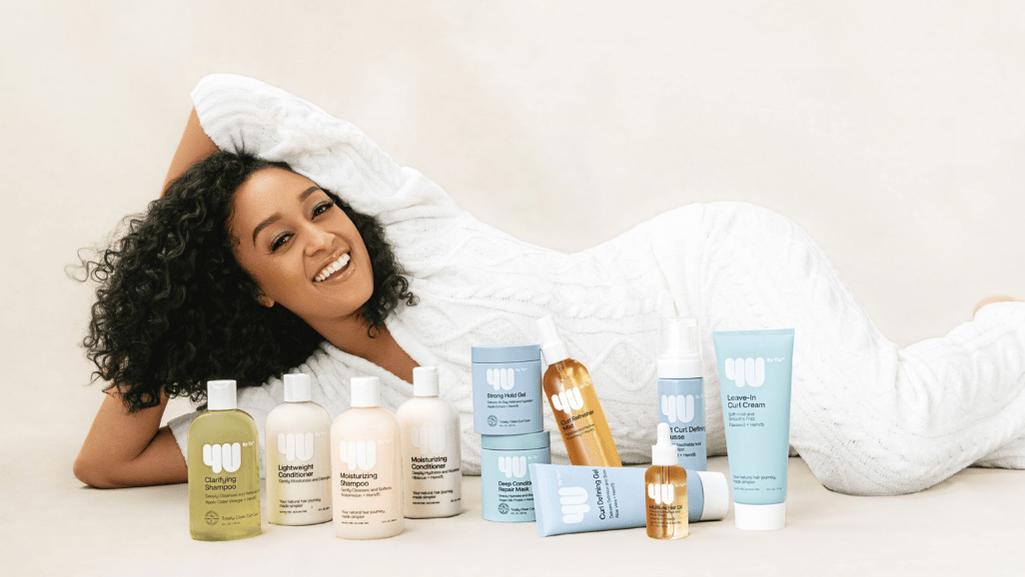
Best overall pre-wash: Biolage Scalp Purifying Concentrate
Why it works: A rinse-off pre-wash that uses glycolic acid plus fermented tea to loosen dead skin and clarify follicles.
How to use: massage 5 minutes, then leave 20 minutes for a deeper reset. Testers noted reduced itchiness and oiliness for about three days and improved shine and curl definition.
Real-world pro/con: gives an instant clean feeling but the thin texture can drip during application.
Best detox oil: Act+Acre Cold Processed Scalp Detox
Why it works: A soothing oil blend with moringa extract and aloe that calms and detangles while lifting buildup.
How to use: apply as a pre-shower soak for 20 minutes or leave overnight for extra conditioning. Good for color-treated hair but requires planning.
Best exfoliating toner-style spray: Briogeo Scalp Revival Detox Spray
Why it works: Think of it as a toner for the root: lactic, salicylic, and gluconolactone plus charcoal and tea tree to target buildup from dry-shampoo use.
How to use: spritz, wait ~15 minutes, then wash. It’s fast, leave-on friendly, and pairs well with regular maintenance.
- Buying tip: Pick one reset item (pre-wash or spray) and one maintenance shampoo or serum to avoid overuse.
- Rotate powerful actives and soothing care to keep skin balanced and avoid rebound flaking.
Best Scalp Scrubs for Product Buildup and Flakes</h2>
If flakes or heavy product residue keep returning, a weekly scrub is an efficient way to start fresh.
When to choose a scrub: heavy styling-product use, dry-shampoo buildup, persistent flakes, or roots that feel coated after washing. A scrub lifts residue so anti-flake actives reach the skin and hair more effectively.
Briogeo Scalp Revival Micro-Exfoliating Scrub
Why it stands out: charcoal plus tea tree oil and coconut-derived beads remove flakes and product buildup. Testers reported dandruff nearly gone and improved hair texture after a few uses.
Ceremonia Papaya Scalp Scrub
Why it stands out: papaya enzymes plus mountain salt provide enzymatic and physical exfoliation. The whipped texture spreads easily through thick hair for an effective oily reset.
Goop G.Tox Himalayan Salt Scalp Scrub Shampoo
Why it stands out: Himalayan salt and moringa oil deliver a deep clean that adds volume, smoothness, and shine. It works as a treatment-style shampoo for thorough detoxing.
Ouai Scalp and Body Scrub
Why it stands out: sugar crystals with panthenol and glycerin make this a multitasker that exfoliates without leaving the roots dry.
The Inkey List Glycolic Acid Scalp Scrub
Why it stands out: an affordable chemical + physical option using glycolic and lactic acid. Leave on ~10 minutes pre-shower and use 1–2 times weekly. Guardrail: don’t stack multiple exfoliants the same day; alternate with salicylic formulas to avoid over-exfoliation.
- Pick a scrub when styling residue or dry-shampoo buildup is obvious.
- Limit exfoliation to 1–2 times per week to prevent irritation.
- Pair deep cleanses with a calming follow-up to protect barrier health.
Best Shampoos for Dandruff and Persistent Itchiness</h2>
When itchiness won’t quit, choose actives that reduce yeast and calm skin.
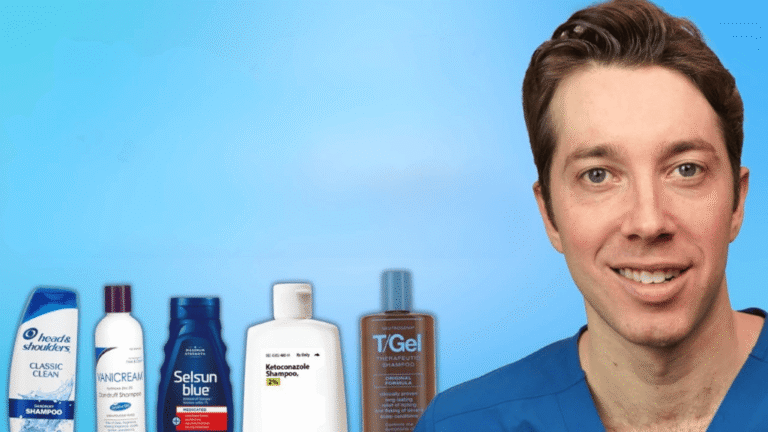
Mizani Scalp Care Anti-Dandruff Shampoo
Why it works: Pyrithione zinc fights the yeast often behind dandruff and reduces visible flakes.
Use as a focused wash. Massage, let the formula sit for a few minutes, then rinse to boost efficacy. Note the minty-herbal scent and avoid daily use if irritation appears.
Kérastase Symbiose Anti-Dandruff Night Serum
Why it works: Salicylic acid exfoliates buildup while piroctone olamine targets yeast-driven flaking overnight.
This is an overnight support step for recurring dandruff. Apply on dry roots and follow label timing for safe use.
Living Proof Scalp Care Dry Scalp Treatment
Why it works: A leave-on formula with hyaluronic acid that targets dryness-driven itchiness and adds hydration between washes.
Expect gradual improvement—about four weeks for noticeable results when used consistently.
- Quick routine tip: Use an anti-dandruff shampoo 1–3×/week and keep other wash days gentle to avoid rebound irritation.
- Differentiate causes: Dry, flaky skin often needs hydration; dandruff usually needs targeted actives.
- When to escalate: If the area is painful, oozing, or not improving after consistent use, see a dermatologist for conditions like seborrheic dermatitis or psoriasis.
Best for Dry Scalp and Dryness-Related Flaking</h2>
Dryness-driven flaking usually responds best to a low-irritant wash plus a targeted oil step. Look for signs: tightness, fine flakes, and itch that worsen after hot showers or harsh cleansers.
Briogeo Superfoods Banana + Coconut — a gentle, everyday shampoo
Why it works: This sulfate-free, antioxidant-rich shampoo cleans without stripping natural oils. It’s formulated to support moisture and is kind to sensitive roots.
How to use: Use as your regular wash for routine cleansing; follow with a lightweight conditioner on lengths, not the root area.
Moroccanoil Dry Scalp — an oil with light exfoliation
Why it works: Argan oil plus vitamin E and fatty acids soothe and restore barrier lipids while a small amount of salicylic acid helps slough gentle buildup.
- Apply in sections to the root area, massage for circulation, let sit 5–15 minutes, then rinse well.
- Use sparingly to avoid leaving residue that can weigh down hair or feed yeast overgrowth.
Quick mini-plan: one gentle shampoo weekly or twice weekly, plus one targeted oil step per week. Adjust frequency based on comfort to support a healthy scalp and fuller-looking hair.
Best for Oily Scalp and Congested Roots</h2>
If your roots go greasy fast, the cause is usually excess oil meeting sweat and styling residue. That mix can congest follicles and make hair look flat within a day.
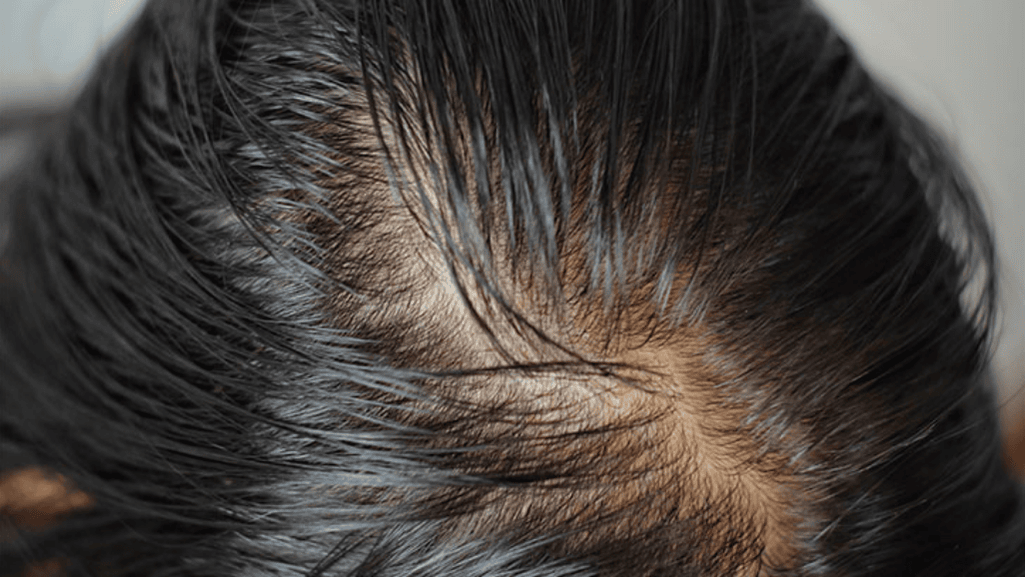
A cooling exfoliating pre‑cleanser to try
Aveda Scalp Solutions Exfoliating Treatment pairs salicylic acid with menthol and cica in a gel that feels cooling on contact. The acid loosens excess oil and dead skin, while menthol calms inflammation and reduces itch.
How to use: apply as a pre-wash, part hair into sections, massage along the root line, and leave on for the brand-recommended minutes before rinsing and shampooing.
A toner-like pre-shampoo option
Drybar Crown Tonic works like a toner for the root. Glycolic and salicylic acids lift dead skin and dry-shampoo residue, while niacinamide helps balance oil production and soothe irritation. The scrubby applicator makes targeted application easy.
- Guardrail: don’t strip the area—overuse can trigger oil rebound and sensitivity.
- Pairing tip: rotate an exfoliating pre‑cleanser with a gentle daily shampoo to keep balance and reduce buildup.
- For more curated options, see our recommended picks at best scalp treatments.
Best for Scalp Acne and Clogged Follicles</h2>
Breakouts at the hairline often start as small, tender bumps that worsen with sweat, heavy styling, or occlusive creams. These lesions can appear as clogged pores, pustules, or inflamed nodules along the root line.
What to look for: salicylic acid and tea tree oil to clear pores without stripping
Salicylic acid is the primary go‑to for clearing the pore lining and reducing congestion. It dissolves oil buildup gently so follicles can breathe without aggressive scrubbing.
Tea tree oil offers supportive antimicrobial action. Prefer rinse‑off formats or diluted serums to lower irritation risk while keeping antimicrobial benefits.
When benzoyl peroxide or prescriptions may be needed
If lesions are deeply inflamed or form recurrent cysts, benzoyl peroxide can help, but expect dryness and fabric bleaching. Persistent, spreading, or scarring outbreaks merit dermatology evaluation to rule out folliculitis or another inflammatory skin condition.
- Avoid layering thick oils and heavy creams at the root if breakouts recur.
- Use targeted, leave‑on spot care sparingly and cycle exfoliants to prevent rebound irritation.
- See a clinician for painful, expanding, or scarring lesions.
Best for Folliculitis and Tender, Inflamed Hair Follicles</h2>
When follicles feel tender or look like small bumps, targeted care can speed healing and reduce recurrence. Folliculitis is simply inflamed hair follicles that may itch, hurt, or resemble acne but behave differently.
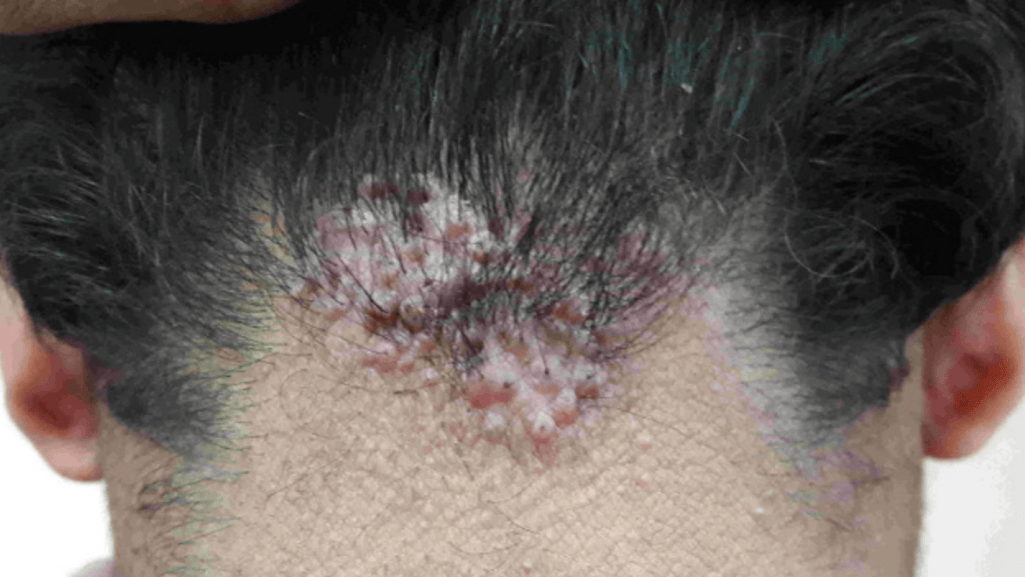
Best shampoo pick for folliculitis-prone roots
Sachajuan Scalp Shampoo pairs salicylic acid with ginger extract and rosemary oil. Testers reported less itching and a calmer root area after consistent use.
How it helps and how to use it
Salicylic breaks up oil and dead skin that can clog follicles, helping keep the pore environment cleaner. Ginger and rosemary provide soothing, antimicrobial support without heavy residue.
- Keep a steady wash routine and avoid aggressive scratching or picking.
- Use the shampoo as directed; gentle massage then rinse to clear loosened debris.
- Limit leave-on oily boosters near affected areas to prevent clogging.
When over‑the‑counter care isn’t enough
If pustules persist, redness spreads, fever develops, or pain worsens, seek a clinician’s care. A dermatologist may prescribe an antifungal shampoo or a topical antibiotic depending on the suspected cause.
Best for Scalp Psoriasis and Thick Scaling</h2>
A heavy, plaque-like build-up needs a different approach than run-of-the-mill flaking. Psoriasis shows thicker scales, recurring flares, and often stronger redness and itch than common dandruff. That pattern calls for a keratolytic to soften bulky plaques before other care can reach the skin.
Targeted pick: Nizoral Scalp Psoriasis Shampoo and Conditioner
Why it’s chosen: this over‑the‑counter option combines 3% salicylic acid with tea tree to reduce bulk and ease combing. The 3% salicylic concentration is higher than many daily washes, so it’s aimed at loosening dense scale.
How salicylic helps lift thick scale
Mechanism: salicylic works as a keratolytic. It disrupts the bonds between dead and healthy skin cells so plaques shed more easily and feel less bulky. That makes subsequent washes and topical agents more effective at reaching the skin.
- Tea tree adds supportive antimicrobial and calming effects, but salicylic is the primary workhorse.
- This option can improve comfort and visible scaling in mild cases of plaque psoriasis and persistent dandruff-like flaking.
- For severe, bleeding, or widespread plaque, prescription topicals or systemic care are often required.
- Avoid overuse if the skin is cracked or oozing; consult a dermatologist during flares.
Best for Scalp Eczema and Ultra-Sensitive Skin</h2>
People with eczema need a routine that soothes, avoids triggers, and cleans without stripping natural oils.
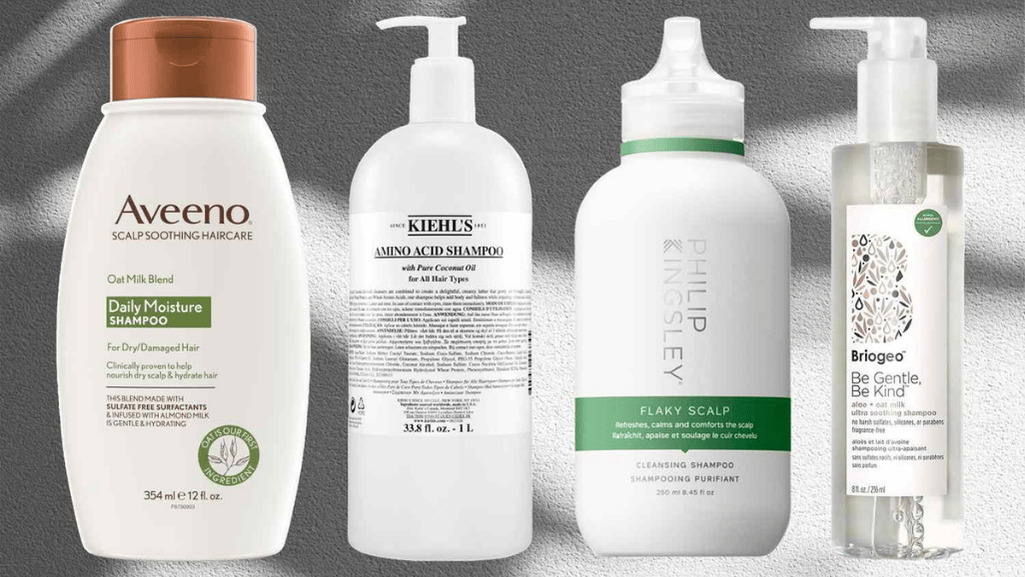
Best gentle, fragrance-free shampoo: SEEN Shampoo
Why it’s a top pick: SEEN Shampoo carries the National Eczema Association Seal of Acceptance and is formulated for acne‑ and eczema‑prone skin. It omits sulfates, silicones, phthalates, parabens, dyes, pore‑clogging oils, formaldehyde releasers, and gluten.
What to expect: testers reported reduced irritation and less buildup, though it may not remove heavy flakes in one wash. Its gentle approach helps extend time between washes and lowers flare risk.
- Priorities: reduce triggers, cleanse without stripping, avoid fragranced formulas.
- Pairing strategy: alternate SEEN with a clinician‑recommended medicated shampoo if flakes persist, rather than layering harsh actives.
- Avoid: hot water, aggressive scratching, and frequent switching among strongly fragranced items.
Best for Hair Loss and Thinning Hair at the Root</h2>
If your part or crown looks thinner, focus on consistent root-focused care rather than swapping items every week. Small changes that lower inflammation and support follicles often show early wins like less shedding before full density returns.
Best for density support: Philip Kingsley Density Preserving Scalp Drops
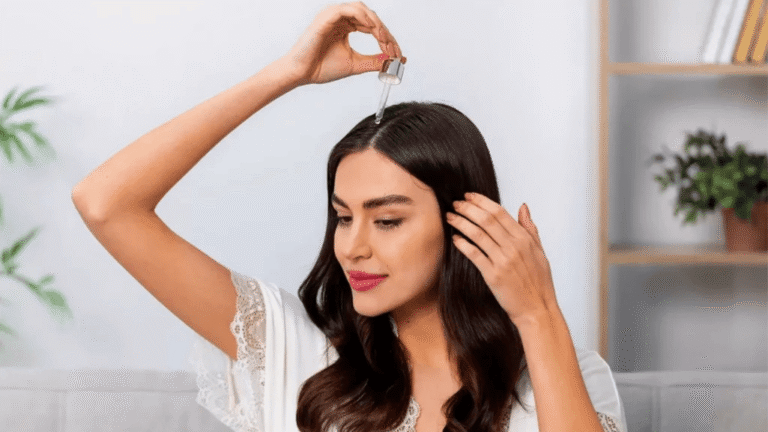
Why it stands out: this leave-on formula combines peptides, caffeine, and zinc PCA to create a follicle-supporting blend that testers said reduced hairs in the brush and increased baby hairs at the part.
What follicle-supporting care can and can’t do
What it can do: improve the scalp environment, calm low-level inflammation, and strengthen strand quality so hair looks fuller. Early signs are often reduced shedding within weeks.
What it can’t do: it may not stop genetically driven hair loss alone. For androgenetic alopecia, consider a dermatologist consult and medical options such as minoxidil.
- Common thinning scenarios: temporary shedding from stress or postpartum causes versus gradual density loss from genetics; consistency matters more than frequent product switching.
- Realistic timeline: fewer loose hairs may appear first; meaningful density changes typically take 3–6 months of routine use.
- How to use: apply as a leave-on step to a clean root, focus along partings, and follow product directions for best results.
Best for Hair Breakage and Weakened Hair Shaft</h2>
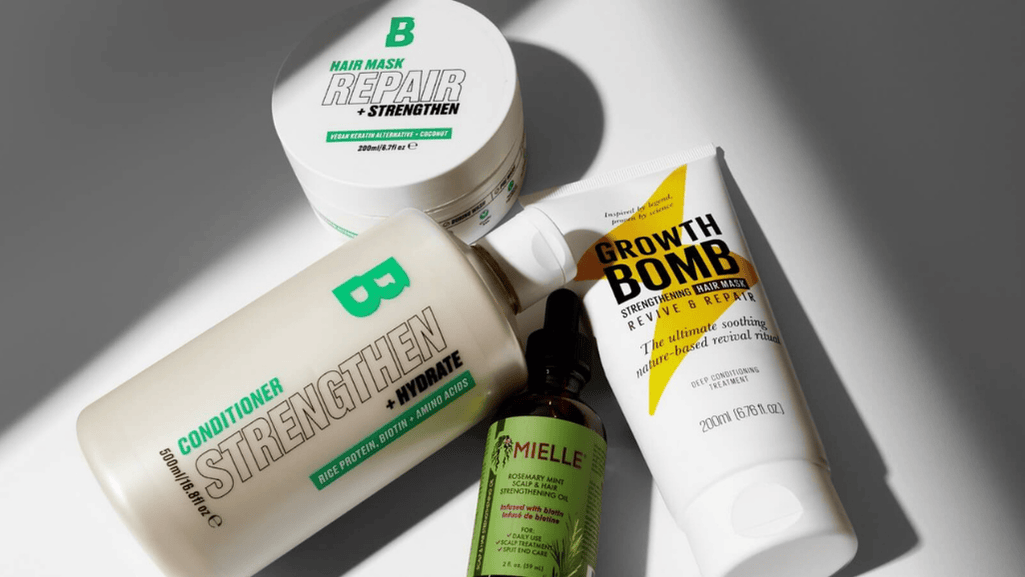
When strands split or feel fragile, targeted strengthening beats frequent switching. Kérastase Initialiste Scalp & Hair Serum is our top pick for rebuilding the fiber from root to mid-length.
Why this serum works
The formula blends proteins, peptides, and plant cells to reinforce the cuticle and improve tensile strength. Testers reported thicker-feeling hair and visible growth with regular use.
How it helps vs shedding
Breakage is damage to the fiber; shedding is a follicle-cycle issue. Strengthening serums address fiber resilience so strands survive styling and brushing better.
- What testers noticed: improved thickness perception, non-irritating feel, thin watery texture, and a mild floral scent.
- Application cues: apply to the root area and work through early lengths if directed; avoid over‑applying to prevent greasy roots.
- Routine tip: pair with reduced heat and lower-friction styling to maximize results and reduce breakage.
Best Detox Serums for Itchiness, Irritation, and Buildup</h2>
C for persistent itchiness and buildup, a focused serum can do the heavy lifting between washes.
Detox serum = a leave-on or pre-wash formula that reduces residue and calms irritation without daily harsh cleansing. These steps clear product buildup and soothe discomfort while supporting healthier hair and roots.
Vegamour GRO Scalp Detoxifying Serum
Why it works: Includes tea tree oil and zinc PCA to reduce itchiness and mild flaking. Testers saw lower dandruff and a cooling feel that helped extend days between washes.
dpHue ACV Daily Scalp Serum
Why it works: Uses apple cider vinegar for pH and antibacterial support plus hyaluronic acid for hydration. It clears residue while avoiding that tight, dry feeling.
Act+Acre Scalp Detox (pre‑wash)
Why it works: A purification soak aimed at hard-water and stubborn buildup. Use as a 20-minute pre-shower soak or overnight for deeper clarification.
- Pick daily pH support if irritation is frequent.
- Pick a pre-wash detox when product buildup is the primary issue.
- Quick use tip: apply along partings, massage gently, and rinse or cleanse thoroughly; avoid stacking multiple detox steps the same day.
How to Use Scalp Treatments in a Weekly Scalp Care Routine</h2>
Build a weekly routine that balances a deep reset with gentle upkeep so roots stay clear and calm.
Frequency: how often to use focused steps
Most people see the best results using targeted scalp treatments once to twice per week. Start at once weekly if you have sensitive skin and increase only if tolerated.
Scrub timing and limits
Do not exfoliate more than twice a week. Overdoing scrubs or acids can cause micro‑irritation and rebound flaking.
Application best practices
Part hair into sections, apply directly to the root area (avoid lengths), and massage gently. Respect leave‑on minutes—10–20 minutes for many pre‑washes; some formulas allow overnight use.
How to rotate acids and oils
Rotate actives: alternate an acid-based reset one week with an oil-based support week, or use acid on your reset day and oil on a separate support day. This prevents stacking strong actives that can trigger inflammation.
- Simple weekly template: one reset day (scrub or acid pre‑wash) + one support day (hydrating serum or light oil) with gentle cleansing between.
- If flakes or itch worsen, simplify to a gentle shampoo and a fragrance‑free soothing step for 1–2 weeks, then reintroduce treatments slowly.
Conclusion</h2>
Conclusion
Close the loop by naming your main root concern, choosing an active that matches it, and picking a format you’ll actually use. Keep the plan simple: one exfoliating option, one soothing/hydrating pick, and one maintenance shampoo to avoid overbuying.
Important: Balance cleansing and comfort—use acids like salicylic acid sparingly and follow with calming, hydrating care to prevent rebound irritation. Cosmetic care can improve the environment for hair growth and reduce breakage, but persistent inflammation or true hair loss may need a clinician’s evaluation.
Discontinue any item that stings or worsens redness. For more on how microbial balance supports a healthy root environment, see this scalp microbiome research.
Shop the roundup and restock essentials for a consistent regimen that supports stronger strands at the root. If you plan to buy at Ulta, activate the offer and shop by 11:59 pm CT on 01/25/2025 for 3X points (exclusions apply; activation may take ~5 minutes; see Ulta Beauty Rewards terms).
FAQ
How do I choose the best scalp treatments for dry, oily, or flaky conditions?
Are salicylic acid and tea tree oil safe to use together?
How often should I exfoliate my scalp?
Which ingredients should I avoid if I have a reactive or ultra-sensitive scalp?
Can scalp care help with hair thinning or hair loss?
What should I use for persistent dandruff and severe itch?
How do I use a pre-wash detox or oil without making my hair greasy?
Are detox serums like apple cider vinegar or charcoal safe for color-treated hair?
What is the difference between a scalp scrub and an exfoliating shampoo?
When should I see a dermatologist for issues like psoriasis, folliculitis, or severe inflammation?
How can I rotate acids and oils without triggering irritation?
Which over-the-counter options help with folliculitis and clogged hair roots?
Can routine scalp care improve hair shaft strength and reduce breakage?
How long before I see results from a new regimen for flakes, itch, or hair thinning?
Are natural botanicals like tea tree oil always better than chemical ingredients?






 English