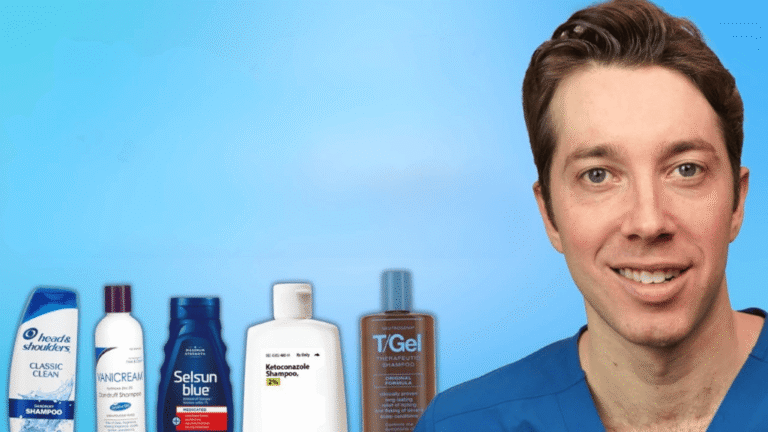

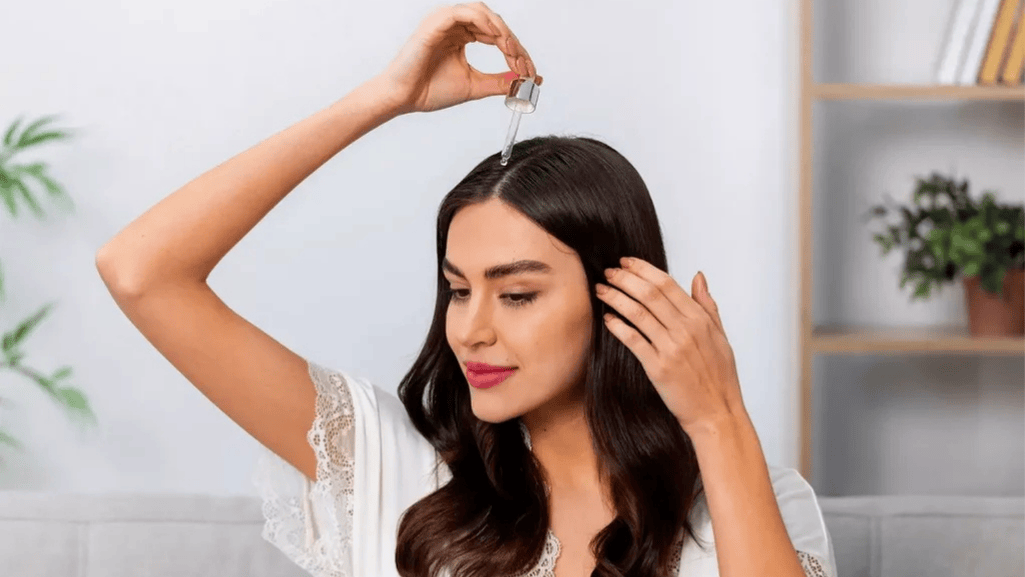

Looking for products that support thicker, fuller-looking strands? This roundup helps you compare options that may reduce shedding, improve scalp comfort, and boost texture with steady use.
Board-certified dermatologists note these treatments can take months to show change and are not a cure for active loss. If you’re seeing rapid thinning, consult a dermatologist.
We cover over-the-counter picks and prescription choices you can access via telehealth. Expect practical details on actives (like minoxidil and peptides), timelines, and how to apply products for best absorption and minimal residue.
“Thicker” can mean less breakage, reduced shedding, or new regrowth. Start by matching your scalp type (oily, sensitive, dandruff-prone) with an active level that fits your goals and budget. For a tested roundup and product notes, see this best-hair-growth-serums guide.
Key Takeaways
- Expect months, not days, for visible improvement.
- Options include OTC actives and prescription-strength treatments.
- Thicker results vary: less breakage, less shedding, or true regrowth.
- Match formula to scalp type and tolerance for best results.
- Follow application advice for absorption and minimal residue.
Why Hair Growth Serums Are Worth Considering for Thicker, Healthier Hair
Targeted topical treatments often reduce visible shedding and improve overall density for people with mild thinning. Used consistently, these options help support a healthier scalp environment and make strands look fuller over time.
What they can do: Promote scalp health, cut down on loose hairs in the shower or brush, and improve the appearance of hair density with steady use.
What they usually can’t do: Reverse every type of hair loss or deliver instant miracles, especially when follicles are miniaturizing from androgenic causes.
When to see a dermatologist
If you notice sudden or patchy loss, pain, severe itch or burning, a rapidly widening part, or postpartum shedding that won’t ease, seek evaluation. These signs can point to hormonal or medical drivers that need testing.
“Topicals can help many people, but active hair loss often needs medical evaluation,” — Margarita Lolis, MD
Routine matters more than stacking. A simple plan—clean scalp, apply to the scalp, leave on—usually beats layering many products. The best treatment is one you can use daily without irritation or greasy residue.
Hair Growth Serums: How They Work on Hair Follicles and the Growth Phase
Understanding the cycle that each follicle follows explains why steady use matters more than quick fixes. The anagen (active) versus telogen (resting) split determines whether a strand grows or sheds.
Supporting follicles through the telogen (resting) phase and beyond
When too many follicles enter telogen at once, shedding spikes and density looks thinner. Dermatologists say minoxidil helps keep follicles from “going to sleep,” which supports ongoing growth. Morgan Rabach, MD notes this effect can reduce large shedding waves over months.
Blood flow, scalp environment, and stronger-looking strands over time
Minoxidil is a vasodilator. It boosts blood flow to the scalp and can increase the caliber of a follicle, says Corey L. Hartman, MD. Better circulation supports a healthier ecosystem for future growth.
- Cycle basics: anagen vs telogen and why timing matters.
- Active vs non-drug approaches: some formulas focus on hydration, inflammation control, and microbiome balance to reduce breakage.
- Realistic timeline: follicles respond slowly; consistent application matters.
Note: irritation or product buildup can undo gains by harming the scalp environment, so cleansing and proper application are essential (expanded in Section 6).
Ingredients That Matter Most in a Hair Growth Serum
Not all formula components carry the same evidence—some drive regrowth, others support scalp comfort. Use labels to match ingredients to your primary concern: true actives for regrowth, antifungals for flakes, and supportive extracts for strand strength.
Minoxidil: the proven topical active
Minoxidil is one of two FDA-approved topical drugs for treating loss and is the most proven OTC ingredient for regrowth. Expect reduced shedding and gradual visible improvement with consistent use over months.
Ketoconazole for dandruff-prone scalps
Ketoconazole is an antifungal that lowers yeast-driven flakes and inflammation. When dandruff worsens thinning, adding ketoconazole can improve scalp health and complement a regrowth plan.
Supportive actives: peptides, caffeine, biotin, and zinc
Peptides condition the scalp and bolster resilience. Caffeine may stimulate circulation. Biotin and zinc help reinforce follicle function and suit scalps prone to buildup.
Botanicals with promise
Rosemary oil has shown results similar to 2% minoxidil in some studies. Amla and ginseng appear useful in traditional and emerging research as supportive ingredients.
- Shopping label decoder: prioritize proven actives for regrowth, antifungals for flakes, and peptides/biotin/zinc for breakage.
- Safety note: patch test botanicals—“tingly” oils can irritate sensitive scalps.
What Results to Expect and How Long It Takes
Plan for a multi-month timeline when starting a new scalp treatment. Dermatologists commonly cite about three months for the first visible shifts, with clearer changes often appearing between three and six months.
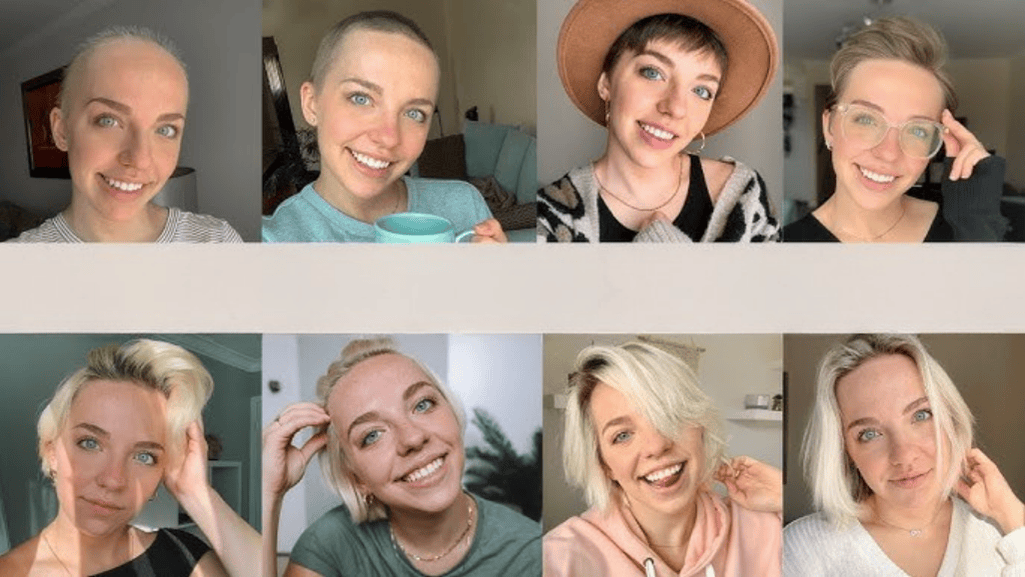
Early weeks focus on scalp comfort and building a steady routine. That period is about tolerance and consistent use rather than immediate change.
Typical timeline for reduced shedding and visible improvement
- Weeks 0–6: scalp comfort, routine adherence, possible initial shedding with some actives.
- Months 2–3: many users report reduced shedding and less loose hair when brushing.
- Months 3–6: visible improvements in density and thickness become more likely.
Why overnight claims don’t match biology
Follicles cycle slowly. A new active needs time to affect the next growth phase, so quick promises are unrealistic. Track progress with part-line photos, ponytail circumference checks, and shedding trends.
“Consistent application over months, not days, is the best predictor of good results.”
Results depend on cause—hormonal thinning, inflammation, or breakage—so ingredient choice matters. For brand-reported timelines and practical guidance, see this how long does a hair growth serum take to.
How to Apply Growth Serums for Better Absorption and Less Residue
Start your treatment routine by prioritizing a clean scalp. Product and oil buildup can block access to the root area, making even well‑formulated options feel ineffective.
Workable cleansing baseline: wash 2–3 times weekly when possible. For protective styles, rinse the scalp and use a gentle cleanser to remove sweat and product without detangling repeatedly.
- Avoid overuse of dry shampoo. Chronic residue can clog the follicle and worsen shedding over time.
- Massage during cleansing. Use fingertips, not nails, to boost blood flow and loosen buildup.
- Daily short massage. After applying a scalp serum, spend 1–2 minutes rubbing the product in to improve distribution and absorption.
The biggest application mistake is coating lengths instead of targeting the scalp. That practice increases residue on strands without improving delivery to follicles.
Timing matters: apply directly to the scalp/root, then wait several hours before washing. Night routines work well—sleep gives maximum contact time.
Optional techniques: some dermatologists discuss dermarolling to enhance penetration. Follow product directions and skip it if you have irritation or active inflammation.
Choosing the Right Formula for Your Hair Type and Scalp Needs
Pick a formula based on your scalp’s oil level and sensitivity to avoid daily irritation. Matching product texture and actives to your routine makes consistent use far more likely.
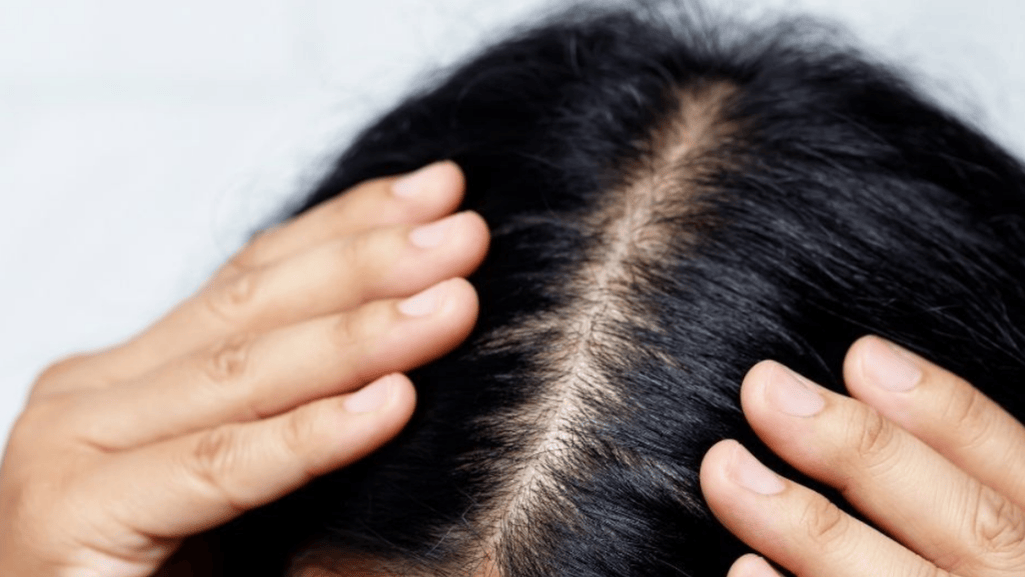
Fine hair and oily scalps
Look for lightweight, fast-drying liquids or sprays. These avoid a heavy film that can flatten roots and cause greasy residue.
Spray-on formulas and waterlike solutions work well for fine hair and oily scalp types.
Sensitive scalps
Choose gentle, fragrance-free bases. Avoid high-alcohol carriers and warming oils that can sting. Patch test new formulas before full use.
Dandruff-prone scalps
Prioritize antifungal support. Ketoconazole can reduce yeast-driven flakes that worsen thinning. Pair antifungal actives with a cleansing routine that removes buildup without over-stripping.
Drug-based regrowth vs supportive options: use minoxidil or prescription blends for active thinning and pick peptide- or botanical-forward formulas for scalp comfort and resilience. Each product in the roundup below earns its category based on this match-first approach.
Best Overall Pick: Curology Hair Formula Rx
Curology’s tailor-made topical option pairs diagnostic review with a custom formula built for your pattern of thinning. This approach helps match actives and base ingredients to your scalp type and tolerance.
Why dermatology-personalized actives help
Personalization matters: a clinician reviews photos and a questionnaire to choose which actives to include. That reduces trial-and-error and focuses the product on your needs.
What the intake looks like and why it matters
The intake is simple: upload photos, answer a short medical history, and have a dermatologist review the submission. This process guides safe ingredient selection and flags contraindications.
Key actives and what they target
- Minoxidil — supports regrowth and improves local circulation.
- Ketoconazole — helps control flakes and supports scalp health.
- Finasteride — used for DHT-related thinning; note FDA approval applies to men.
What to expect in the first 3–6 months
Expect consistent daily or nightly use. Early wins usually show as reduced shedding, then gradual density changes over months. The brand positions noticeable change around 3–6 months.
Compliance tips and FDA note
Use on the scalp, allow proper dry-down time, and keep the routine steady so you can judge results fairly. Remember: minoxidil is FDA-approved for all genders; finasteride is FDA-approved for men and may be prescribed off-label in other cases.
Best for Dandruff and Thinning: Hers Hair Blends Serum
If flakes and irritation tag along with thinning, a targeted prescription option can address both the scalp environment and shedding at once.
How prescription-strength minoxidil plus ketoconazole targets shedding and scalp flakes
Hers Hair Blends Serum pairs 7% minoxidil with ketoconazole. The higher-strength minoxidil aims to support regrowth while ketoconazole lowers yeast-driven dandruff and inflammation that can worsen shedding.
How to use it daily and what the typical results window looks like
The brand recommends a once-daily application directly to the scalp. Apply to dry skin, rub in gently, and avoid washing soon after so the formula has contact time to work.
Expect to evaluate results at about 3 months, with clearer change often seen in the 3–6 month range. A prescription via a licensed provider on the Hers site is required; factor the medical intake into access time.
- Best for: thinning paired with flakes, itch, or chronic dandruff.
- Why it matters: minoxidil targets regrowth; ketoconazole supports scalp balance.
- Tolerance note: watch for dryness or irritation and use a gentle cleanser and barrier-supportive care if needed.
Best for a Widening Part and Hormone-Related Thinning: Musely The Hair Topical Solution
A widening part often signals hormone-driven thinning that needs prescription-level attention rather than cosmetic fixes. Musely’s topical formula pairs proven actives with hormonal antagonists to target the root causes of patterned loss.
The role of androgen blockers like dutasteride and spironolactone
Androgen blockers act on hormones that drive follicle miniaturization. In topical form, dutasteride and spironolactone aim to reduce local DHT activity while limiting systemic exposure.
Nightly application tips and why timing matters
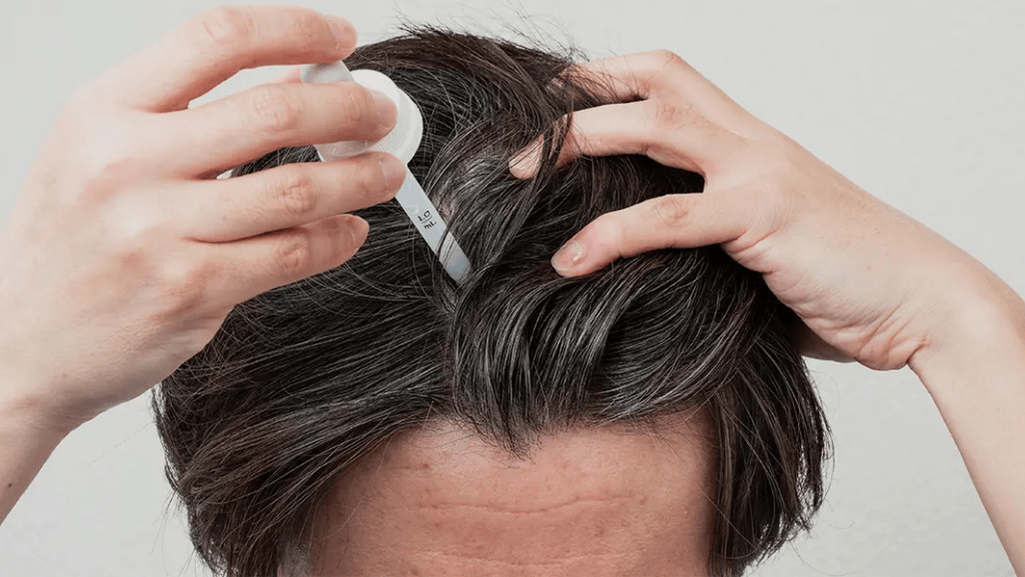
Use 1–2 droppers nightly, focusing on the part, temples, and crown. Massage lightly for even spread. Do not wash for at least four hours so the active ingredients can absorb.
What timelines and results look like
Expect reduced hair loss within 3–6 months. Regrowth usually needs 6–12 months of consistent use. Keep shampoo gentle, avoid heavy root products, and maintain the routine so you can judge progress fairly.
- Why prescription-level actives matter: widening parts often need more than thickening agents.
- Routine tips: non-irritating cleansers, minimal root residue, steady application.
- Safety: follow medical guidance—discuss pregnancy plans, medical history, and sensitivity before starting.
Best Over-the-Counter Minoxidil: Women’s Rogaine 2% Minoxidil Solution
For many, starting with a low-strength minoxidil solution is a straightforward, low-friction step toward improving density over time. Women’s Rogaine 2% is widely available without a prescription and is a classic starting option.
Why the 2% tradeoff matters
2% minoxidil is typically gentler on the skin than higher strengths. That means fewer early side effects for people with sensitive scalps, but it can take longer to show visible change.
How it supports thicker-looking strands
Minoxidil is a vasodilator; it increases local blood flow and can boost follicle caliber. Over months, improved circulation can lead to fuller, stronger-looking hair.
“Better circulation supports a healthier ecosystem for future growth.”
- Best starting point: proven OTC active without a prescription workflow.
- Expectations: assess visible results after several months, not weeks.
- Irritation: if the scalp gets dry or itchy, pair with a gentle care routine rather than stopping immediately.
- Application tip: apply to the scalp, not the lengths, to reduce residue and waste.
Best Budget Peptide Scalp Serum: The Ordinary Multi-Peptide Treatment for Hair Density
Not every effective treatment needs a big label; concentrated peptides with caffeine and zinc can offer measurable scalp benefits on a budget.
Why this is the best budget pick: The Ordinary packs multiple peptides into a no-frills formula that keeps price low and encourages daily use. That makes consistent application realistic for many people.
What peptides do for the scalp
Peptides support moisture balance, resilience, and a healthier environment for follicle function. Clinicians note they can help reduce inflammation and support local circulation, which aids overall scalp health.
Caffeine and zinc: practical add-ons
Caffeine helps stimulate blood flow while zinc assists with oil and buildup-prone scalps. Together they make the formula useful for improving apparent density at the root without heavy conditioning agents.
How to use it as a leave-in
Apply once daily to a clean, dry scalp, often at night. Part hair into sections, drop the product onto sparse areas, then massage lightly for absorption without coating the strands.
- Residue control: use small amounts and target the scalp to avoid visible buildup.
- Routine tip: nightly use reduces styling conflicts and increases contact time.
- Expectations: best for supporting density and conditioning; not a substitute for prescription actives if you need stronger intervention.
Best for Sensitive Scalps: Vegamour GRO Hair Serum
Vegamour’s plant-forward formula is built for readers who need a gentle, clean option. It focuses on scalp comfort while supporting reduced shedding and improved density over time.
Plant-based actives that support density
The formula uses mung bean and red clover as core ingredients. These botanicals aim to calm inflammation and help reduce visible shedding rather than act like a drug-based regrowth treatment.
What lightweight daily use looks like and expected time to see results
Lightweight means quick application, minimal greasy residue, and easy layering with styling products. Use one full dropper daily on a clean scalp, massage briefly, and leave it on.
- Best for: readers who react to strong actives, fragrance, or heavy bases.
- Routine: apply to the part and sparse areas nightly; massage 30–60 seconds.
- How to judge success: watch for less shedding first, then fuller-looking coverage and gradual density gains by about 90 days.
- Bottle planning: one bottle typically lasts ~1 month when used as directed—budget accordingly.
Best Spray-On Scalp Serum: Aveda Invati Ultra Advanced Revitalizing Scalp Serum
A spray format can make scalp care faster and simpler for busy routines. The Aveda brand offers a 94% naturally derived formula with a Follicle Vitality Complex that blends antioxidant-rich botanicals like eclipta prostrata, alpina, and ginger.
Antioxidant botanicals to help protect the scalp from oxidative damage
Antioxidants in the complex help protect the scalp environment from oxidative stress that can undermine long-term hair health. These ingredients support scalp health by reducing environmental damage to follicles and surface tissue.
How to apply in sections using the extended tip for full-scalp coverage
Part hair into sections, lift strands, and use the extended tip to spray directly onto the scalp. Spray evenly across sparse areas, then massage lightly for distribution without soaking the lengths.
- Why spray matters: faster coverage for dense or long styles and easier access to hard-to-reach zones.
- Who benefits: people who dislike droppers or need a less messy application for thick hair.
- Routine fit: pairs well with shampoo, conditioner, and leave-in products as a supportive scalp-care product.
Expectations: this is a supportive product aimed at improving scalp condition and creating a healthier foundation for thicker-looking hair over time when used as directed.
Best for Fine Hair and Oil Control: Isdin Lambdapil Hair-Density Leave-In Lotion
For fine strands and oily roots, a lightweight leave‑in can keep volume while delivering targeted nutrients. Isdin Lambdapil is built to nourish the scalp and strengthen follicles using a blend of biotin, caffeine, and zinc without a greasy residue.
Biotin, caffeine, and zinc for density without a heavy finish
The combo supports resilience and hair density by reducing breakage and improving strand integrity. Biotin and zinc help fortify fragile shafts while the formula stays light at the root.
How caffeine supports follicles by stimulating blood flow to the scalp
Caffeine acts locally to stimulate blood flow to the scalp, which can help create a healthier environment for follicles. That improved circulation supports stronger, fuller‑looking coverage over time.
Frequency and coverage tips for longer styles and hard-to-reach areas
Isdin recommends using the spray at least five days per week and delivering roughly 14 sprays per application to reach the scalp—not just the lengths. Consistent use improves the chance of visible change.
- Best for: fine hair and oily scalps where heavy liquids flatten roots.
- Application tip: part the hair in rows, use the extended tip to target sparse zones, and be sure to spray the crown and back of the head.
- Compliance advantage: a non‑greasy finish makes it easier to keep daily use and styling routines intact.
For a wider comparison of leave‑in options and how they fit different scalps, see our full roundup at best hair treatments.
Best Pre-Shampoo Treatment for Dry, Frizzy, or Damaged Hair: Ranavat Fortifying Hair Serum
A targeted pre-wash mask can repair dry, frizzy ends while keeping the scalp free of daytime residue. Ranavat Fortifying Hair Serum is designed to condition deeply then rinse clean, so you get softness without a heavy finish.
How jasmine oil, amla extract, and sunflower oil support softness and scalp comfort
Jasmine oil adds hydration and slip, so strands detangle and look smoother after washing.
Amla extract is a traditional ingredient used to support natural growth and strengthen fragile shafts.
Sunflower oil helps control frizz and soothes the scalp, lowering irritation that can accelerate breakage.
- Why this category matters: damaged strands can mimic thinning; improving softness and breakage resistance makes hair appear fuller.
- Pre-shampoo advantage: oils condition without daytime residue because you rinse them out after treatment time.
- Use options: apply as an overnight mask for deep conditioning or sparingly on damp/dry ends to tame flyaways.
- Density note: fewer snapped strands mean better retained length and a thicker look at the ends over time.
Pro tip: pair this treatment with a scalp-targeted product if true follicle-driven thinning is a concern—this pick is strongest for strand quality and manageability, not follicle pharmacology.
Best for Clinically Tested Thickness Support: Nutrafol Hair Serum
Nutrafol’s clinical-style formula targets visible density with a delivery system designed to reach deeper scalp layers.
Why the delivery matters: the product uses ashwagandha exosomes that are described as about 1,500 times smaller than standard extract particles. In plain terms, exosomes are tiny carriers meant to help actives reach the scalp surface and support cell renewal signals.
Ingredient highlights for resilience
Pea sprout extract and Irish moss peptides form the core stack for breakage support and strand resilience. These ingredients aim to reduce snap-off along the lengths so coverage looks fuller.
Reported timelines and results
Clinical-style outcomes: in reported data, 87% of users noted healthier hair in about 30 days, with measurable improvements in thickness and strength around 90 days of consistent use, per clinical-style reporting and commentary by Margarita Lolis, MD.
- Best for: readers who want study-like benchmarks and clearer timeframes.
- Use tip: apply to the scalp daily and avoid heavy root stylers or buildup that can block penetration.
- Main lever: reducing breakage is a practical path to better thickness over time.
Conclusion
Conclusion
Prioritize one well‑matched topical and a clean routine. Choose based on your main goal—regrowth, less shedding, scalp balance, or reduced breakage—and pick a formula with the right active ingredients for that goal.
Non‑negotiables: keep the scalp clean, apply to the scalp (not the lengths), massage for distribution, and allow the product enough contact time before washing. These habits improve absorption and lower visible residue.
Quick recap: Curology for personalized prescription actives; Hers for dandruff plus thinning; Musely for hormone‑linked patterns; Rogaine for classic OTC minoxidil; peptide and botanical options for supportive density and sensitive scalps.
Be realistic: many people judge shedding at about 3–6 months, with fuller regrowth taking longer. If loss is active, sudden, or worsening, seek a board‑certified dermatologist to evaluate underlying causes and optimize treatment.
Next steps: pick one product, commit to 90 days, take baseline photos, and only change course if you get irritation or no progress after a fair trial.
FAQ
What can a growth serum realistically do for density, shedding, and scalp health?
A well-formulated topical can reduce visible shedding, improve scalp environment, and make strands appear thicker over time. Ingredients like minoxidil and peptides encourage follicle activity and support the anagen (growth) phase, while zinc, ketoconazole, and botanical actives help control buildup, dandruff, and inflammation that can hinder new strand emergence. Consistent use and proper application are key for measurable results.
When should I see a board-certified dermatologist for active loss?
Book an appointment if you notice sudden, rapid shedding, patchy balding, scalp irritation, or if OTC options don’t help after three to six months. A dermatologist can diagnose underlying causes (hormonal, autoimmune, or nutritional), prescribe treatments such as finasteride or prescription-strength topical agents, and recommend blood tests or scalp biopsy if needed.
How do topical formulas work on follicles and the growth phase?
Topicals aim to support follicles by extending the anagen phase and shortening telogen, improving follicle oxygenation and nutrient access. Actives like minoxidil widen the follicle’s blood supply, while peptides and caffeine support circulation and cell signaling. The goal is a healthier scalp environment that sustains thicker, stronger strands over months.
Does improved blood flow really help stronger-looking strands?
Yes. Increased circulation delivers oxygen and nutrients to the follicle and helps clear metabolic waste. Ingredients that boost microcirculation—minoxidil, caffeine, and certain peptides—can enhance follicle function, reducing thinning and improving density when combined with scalp massage and a clean scalp routine.
Which ingredients matter most in a serum for thinning and resilience?
Clinically supported options include minoxidil for regrowth, ketoconazole for dandruff-related thinning, peptides and biotin for follicle support, and zinc to reduce scalp inflammation. Botanicals such as rosemary, amla, and ginseng can add antioxidant and circulation benefits as adjuncts.
Is minoxidil really the most proven OTC ingredient for regrowth?
Yes. Minoxidil has the strongest body of evidence among over-the-counter actives for promoting regrowth and increasing shaft thickness. It works by improving blood flow and extending the growth phase. Expect gradual results and continue use to maintain gains.
How does ketoconazole help for dandruff-related thinning?
Ketoconazole is an anti-fungal that reduces scalp flaking and inflammation. By controlling dandruff and yeast overgrowth, it improves the scalp environment and can reduce shedding linked to irritation, making other actives more effective.
What timeline should I expect for reduced shedding and visible improvement?
Most users see reduced shedding within 6–12 weeks and initial visible thickening or regrowth between 3–6 months. Full results often take 6–12 months, depending on cause, consistency, and whether additional oral therapies are used.
Why aren’t overnight results realistic for any scalp treatment?
Hair follows a slow biological cycle. While serums can shift follicle behavior, follicles need time to re-enter an active growth phase and produce thicker shafts. Quick fixes can mask issues but won’t change follicle biology overnight.
How should I apply a serum to maximize absorption and avoid residue?
Start with a clean, dry scalp to prevent buildup. Apply directly to the scalp in targeted areas, not the hair length. Use the recommended dose, gently massage for a minute to boost circulation, and allow several hours before washing. Choose lightweight formulas for fine or oily scalps to avoid greasy residue.
How often should I massage the scalp when using a topical?
A daily 60–90 second massage improves circulation and product uptake. Gentle fingertip pressure is sufficient. Combine with the topical application routine for best results.
How do I choose a formula for fine hair or sensitive scalps?
For fine or oily types, select lightweight, non-greasy lotions or sprays that contain biotin, caffeine, or zinc without heavy oils. For sensitive scalps, pick fragrance-free, hypoallergenic formulas and avoid strong alcohols or irritants; consider products with soothing botanicals and lower active concentrations.
Can prescription actives like finasteride or dutasteride be included in personalized treatments?
Yes. Dermatology-prescribed regimens may include oral or topical finasteride or dutasteride for androgen-related thinning. These require medical evaluation due to systemic effects and FDA approval differences. Discuss benefits and risks with a clinician before starting.
How does combining ketoconazole with minoxidil help dandruff-prone thinning?
Ketoconazole reduces fungal load and inflammation, improving scalp health, while minoxidil stimulates follicles. Together they address both the environment and follicle stimulation, often yielding better shedding control and visible improvement than either alone.
Are peptide treatments like The Ordinary Multi-Peptide helpful for density?
Yes. Peptides support scalp resilience, signaling pathways that help follicles, and often include caffeine and zinc for circulation and buildup control. They’re useful as leave-in treatments and typically won’t weigh down fine hair.
What should I know about spray-on serums and full scalp coverage?
Spray-on formats, like certain Aveda products, use extended tips for even distribution and antioxidants for scalp protection. Apply in sections, target thinning zones, and follow dosage guidance to avoid excess product and residue.
Can botanical or plant-based actives like rosemary and amla actually reduce shedding?
Botanicals show promising support for circulation and antioxidant protection. Ingredients such as rosemary, amla, mung bean, and ginseng can complement clinical actives by improving scalp condition and reducing mild shedding, though they work best alongside proven actives for significant thinning.
How do budget peptide serums compare to higher-cost clinical brands?
Lower-cost peptide treatments can offer meaningful scalp support, especially when combined with proper routine and adjunct actives like caffeine or zinc. Clinical brands may include advanced delivery systems or higher active concentrations, which can speed or deepen results but at a higher price.
When should I expect to stop shedding after starting a new regimen?
Many people notice shedding reduction within 6–12 weeks, but individual timelines vary. If shedding worsens or continues beyond six months, consult a dermatologist to reassess diagnosis and treatment strategy.