 Skip to content
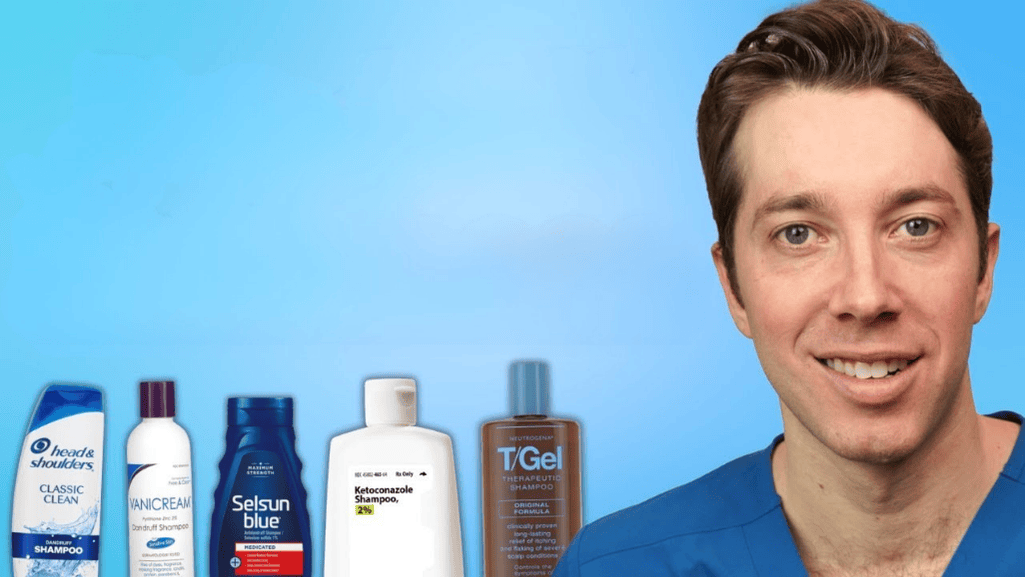

Scalp flaking can be visible, itchy, and annoying. Many people manage this long term rather than expect a cure. This guide helps you spot the cause and pick the right product for your needs.
Expect a clear roundup of what to look for: how to identify flakes, which active ingredients work, and which options suit oily or dry scalps. We explain why an everyday choice differs from a severe-flare formula so you don’t over-treat and cause irritation.Dandruff Shampoos ketoconazole, selenium sulfide, pyrithione zinc, and salicylic acid — each chosen for specific scalp issues. Tips on medicated lather and contact time explain why leaving product on briefly beats a quick rinse.
Our picks come from ingredient screening and real-world tests of lather, rinse, residue, and scent. Shop by scalp first (oil vs. dry), then by hair priorities like softness, shine, color care, or curl definition.
Key Takeaways
- Identify flakes and match treatment to severity and scalp type.
- Look for actives: ketoconazole, selenium sulfide, pyrithione zinc, or salicylic acid.
- Use contact time for medicated lathers instead of rinsing immediately.
- Choose everyday formulas for maintenance, stronger ones for flare-ups.
- Consider hair needs—color-treated, curly, or protective styles—after assessing the scalp.
- Picks are based on both ingredients and real-world usability factors.
Why Flakes Happen: Dandruff vs. Dry Scalp (and Why It Matters)
Not all flakes are the same — spotting the pattern changes how you treat your scalp. A quick visual check helps you choose the right product and avoid irritation.
What true dandruff looks like
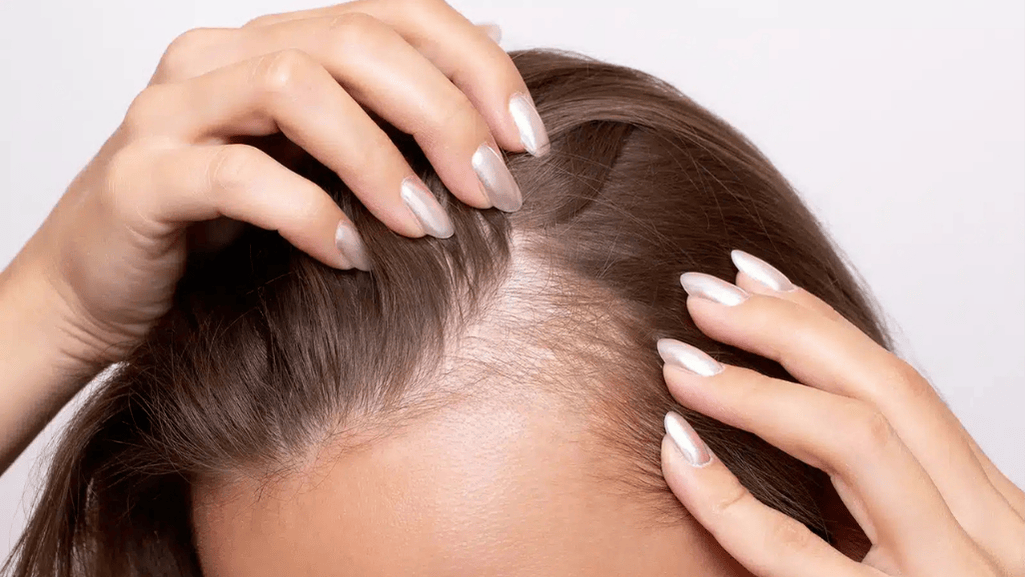
True dandruff usually shows as larger, white-to-yellowish flakes that feel slightly oily and cling to hair and skin. These flakes often appear around the crown, hairline, or behind the ears and come with redness and itching.
Clues for a dry scalp
Fine, powdery flakes and a sense of tightness point to a dry scalp. Skin is not inflamed, and symptoms often worsen with cold weather or harsh cleansers.
When it could be more serious
Recurring greasy scale and redness suggest seborrheic dermatitis. Thicker, silvery plaques with sharp edges may signal psoriasis. Both conditions can mimic common flakes but may need medical care.
- Why type matters: oily, clinging flakes benefit from antifungal or exfoliating actives; powdery flakes need gentler cleansing and barrier support.
- Safety note: persistent bleeding, pain, or worsening irritation deserves a dermatologist visit rather than switching products repeatedly.
- Remember: flaky scalps affect many people and are not a sign of poor hygiene.
What Causes Dandruff on the Scalp
Most visible flaking starts with a few biological and lifestyle triggers you can spot quickly.
Malassezia yeast overgrowth and inflammation
Medical framing: dermatologists often describe flakes as a form of seborrheic dermatitis linked to Malassezia yeast overgrowth. When the microbiome shifts, the skin mounts an inflammatory response that shows up as flaking and an itchy scalp.
Excess oil and trapped buildup
Malassezia is lipophilic, so excess oil on the scalp fuels its growth. Oily skin and styling residue can trap sebum and dead skin cells, making flaking harder to shift.
Other triggers that mimic flaking
Products with fragrances or active ingredients can cause contact dermatitis, which may look like classic flakes. Similarly, heavy product buildup often clears when the offending product is stopped.
Common flare patterns and practical checks
Look for classic locations: the crown, hairline, and behind the ears. These spots point toward a yeast-driven pattern rather than isolated irritation.
- Goal: treat the scalp ecosystem — reduce yeast load, loosen buildup, and calm inflammation.
- Tip: symptoms often worsen with stress or seasonal cold, so adjust routine when needed.
- Learn more: for product and ingredient guidance, see our detailed guide on effective anti-flake options.
How We Chose These Top Picks for the Best Dandruff Shampoos
We used a strict, ingredient-first method to narrow the field before testing how products perform on real scalps.
Ingredient screening prioritized clinically proven antifungals — ketoconazole, selenium sulfide, and pyrithione zinc — and exfoliating acids like salicylic acid. Formulas then passed a secondary check for supportive ingredients like niacinamide, ceramides, and glycerin to limit irritation during treatment.
Next came real-world performance tests. We tracked flake and itch improvement across several washes and stronger control over weeks when products were used consistently.
Usability and transparency
Comfort matters: lather, rinse-off, residue, scent, and wet combing affect whether someone keeps using a product. A clinically active formula that tangles or smells harsh often fails in daily life.
- Expectation: notice fewer flakes within a few washes, with steady gains in two to four weeks.
- Context: results depend on whether the trigger is yeast-driven or buildup-driven.
- Guidance: dermatologist input informed picks for severe flares and when to consider prescription care.
For comparative reviews and a broader list of top picks, see a curated roundup of the best dandruff and more on effective anti-flake options.
Key Anti-Dandruff Ingredients to Look For
Start by learning which ingredients target the root causes of flakes and itch. Below is a buyer-friendly glossary so you can match an active to your scalp pattern and washing habits.
Ketoconazole
What it does: an antifungal that targets Malassezia yeast at the source. Why choose it: often used for stubborn flares and persistent itch because it inhibits an enzyme essential for yeast growth.
What it does: helps stop fungal cells from dividing. This can speed control during a sudden flare, especially with oily, clinging scale.
Pyrithione zinc
What it does: a milder antimicrobial/antifungal for maintenance. Use when symptoms are mild or the scalp reacts to stronger actives.
Salicylic acid
What it does: the scale lifter — it breaks bonds between dead skin cells to loosen thick, greasy flakes and reduce buildup.
- Combine wisely: pairing an antifungal with an exfoliant helps when oil and scale trap yeast.
- Comfort layer: niacinamide, glycerin, ceramides, hyaluronic acid, and panthenol soothe skin and cut irritation during treatment.
- Tip: pick a formula based on scalp oil level, hair texture, and how often you wash.
Best Overall Picks for Everyday Flake Control
Everyday flake control works best when the product is effective yet gentle enough for frequent use. These two picks balance active ingredients with scalp comfort so you can keep a simple routine.
CeraVe Anti-Dandruff Hydrating Shampoo
Why it stands out: pyrithione zinc plus ceramides and niacinamide give antifungal maintenance while repairing the skin barrier.
It suits readers who want a hydrating daily-driver that treats flakes without drying hair. The formula is often fragrance-free and easy to lather.
Practical note: use it regularly for steady control and pair with a gentle conditioner to prevent irritation along the lengths.
Nizoral A-D Anti-Dandruff Shampoo
Why it stands out: 1% ketoconazole is a classic OTC antifungal many dermatologists recommend for yeast-driven flares.
This one fits stubborn flakes and noticeable itching. Most users apply it a few times per week, then switch to a milder shampoo for maintenance.
“Use pyrithione zinc for daily upkeep; reserve ketoconazole for stronger antifungal action during flares.”
- Best overall defined: consistent control without leaving hair weighed down.
- Choose CeraVe: if you need hydration and gentle maintenance.
- Choose Nizoral: if flakes are stubborn or itching suggests yeast involvement.
- Comfort check: reduce frequency and add a light conditioner if irritation rises.
Best Dandruff Shampoos for Severe Dandruff and Seborrheic Dermatitis
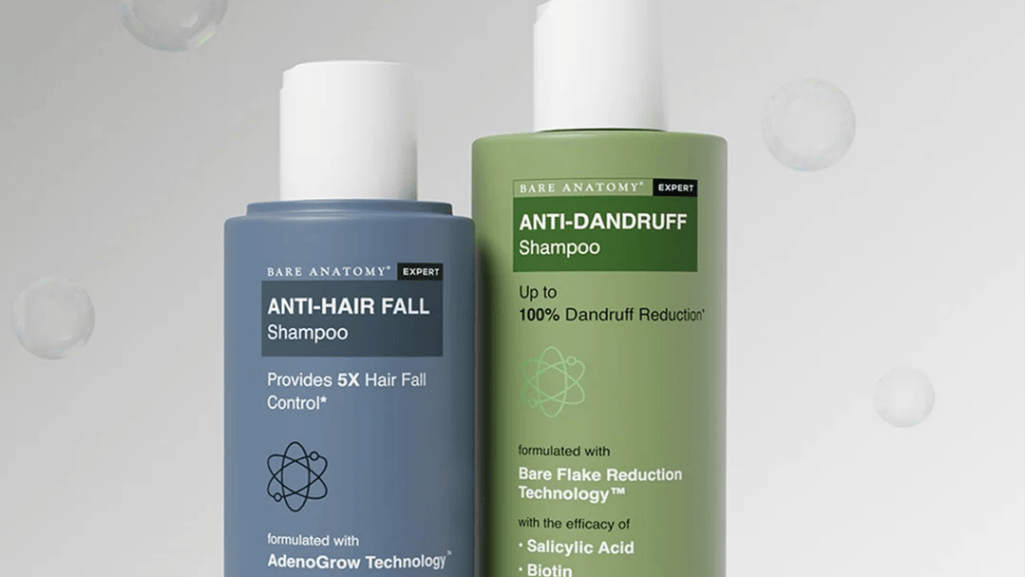
When flakes worsen into persistent redness or thick, oily scale, it’s time to use stronger, clinically backed treatments. Severe cases often show frequent itch, rapid recurrence after washing, and greasy, clinging scale — signs consistent with seborrheic dermatitis.
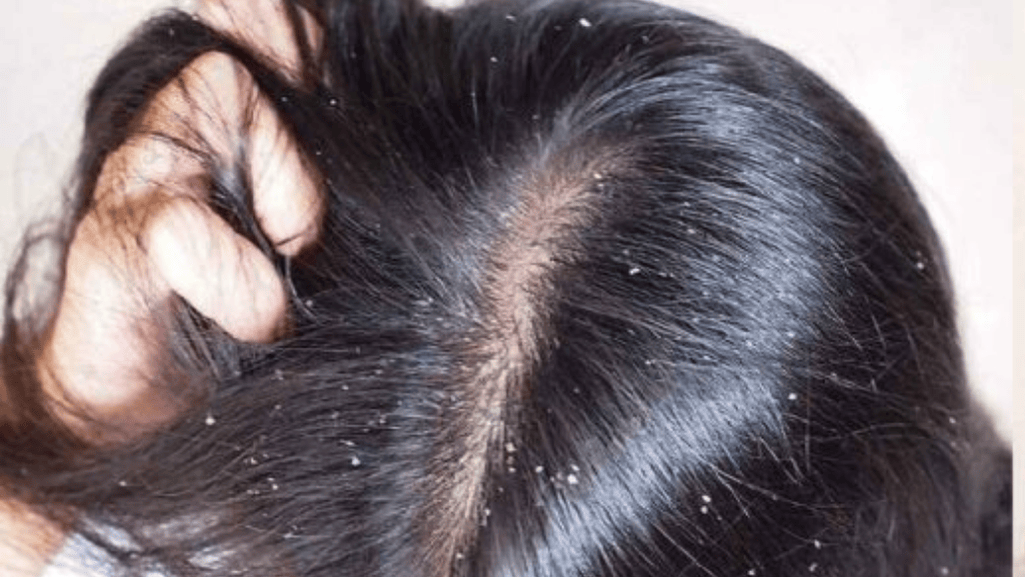
Nizoral A-D (1% ketoconazole): a common first-line flare controller
Nizoral A-D uses 1% ketoconazole to target Malassezia yeast directly. Dermatologist Julie De La Cruz, MD notes it is a go-to OTC option; it often reduces itch and visible scale within a few washes.
Vichy Dercos Selenium Sulfide: for thicker, oilier scale
Vichy Dercos contains micronized selenium sulfide (0.6%) and supportive humectants like niacinamide and glycerin. It can perform better on oil-driven scale and may feel less drying on heavy, greasy scalps.
When to level up beyond OTC and a simple severe routine
Consider professional care if symptoms persist despite consistent OTC use, if inflammation is severe, or if scaling spreads beyond the scalp.
- Define “severe”: persistent flakes with redness, thick scale, frequent itch, and quick return after washing.
- Rotation strategy: alternate ketoconazole and selenium sulfide weekly to attack yeast and oil-driven buildup.
- Prescription step: dermatologists may prescribe 2% ketoconazole or add topical anti-inflammatories when OTC treatments fail.
“Ketoconazole shampoos like Nizoral are a common first line; if OTC fails, a stronger, prescription approach is often the next step.”
Simple severe-routine template: start with 2–3 medicated washes per week for several weeks, then move to maintenance as symptoms improve. Check styling products and fragrances as triggers, and monitor both scalp comfort and hair condition while treating.
Best for Oily Scalps and Heavy Buildup
Oily scalps often hide thick, clinging scale that needs an exfoliating approach. Excess oil combines with dead skin and product residue to form visible flakes that stick near the crown and hairline. Treating this pattern means loosening buildup first, then addressing any yeast overgrowth.
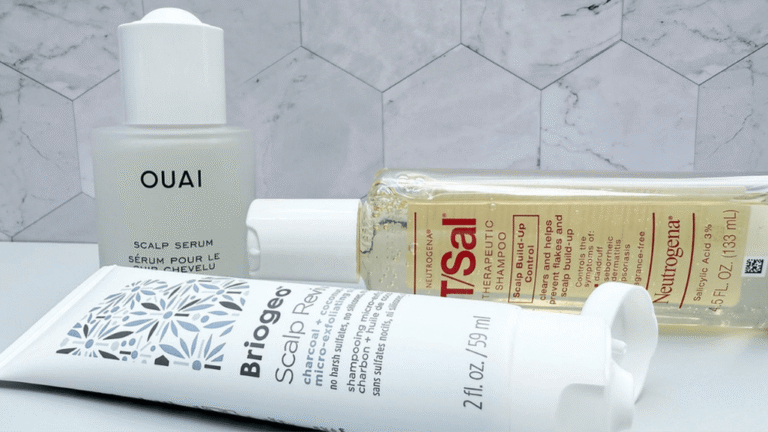
Neutrogena T/Sal Therapeutic Shampoo: 3% salicylic acid for thick, greasy scales
Neutrogena T/Sal uses 3% salicylic acid to dissolve bonds between dead skin cells and lift heavy grease. Dermatologists note salicylic helps break down stubborn buildup rather than acting only as an antifungal.
It is often described as fragrance-free, which helps reactive skin tolerate a strong exfoliant. Use it as the scale breaker in a routine: massage into the roots, let it sit for a short contact time, then rinse well to avoid residue on the lengths.
- Red flags for oil-driven flakes: fast greasiness after washing, clinging scale, and recurring itch that flares when hair feels oily.
- Technique tips: apply to wet scalp, work in with fingertips, wait a minute, and rinse thoroughly.
- Caution: very dry skin may need alternating washes with a gentler, hydrating option to prevent tightness.
Expectations: clearing heavy buildup often takes multiple washes and consistent use. Reassess styling products—pomades, oils, and heavy waxes can worsen buildup and slow progress.
Best for Dry, Itchy Scalps That Still Need Anti-Dandruff Actives
When dryness and flaking coexist, you need a formula that calms irritation without stripping moisture.
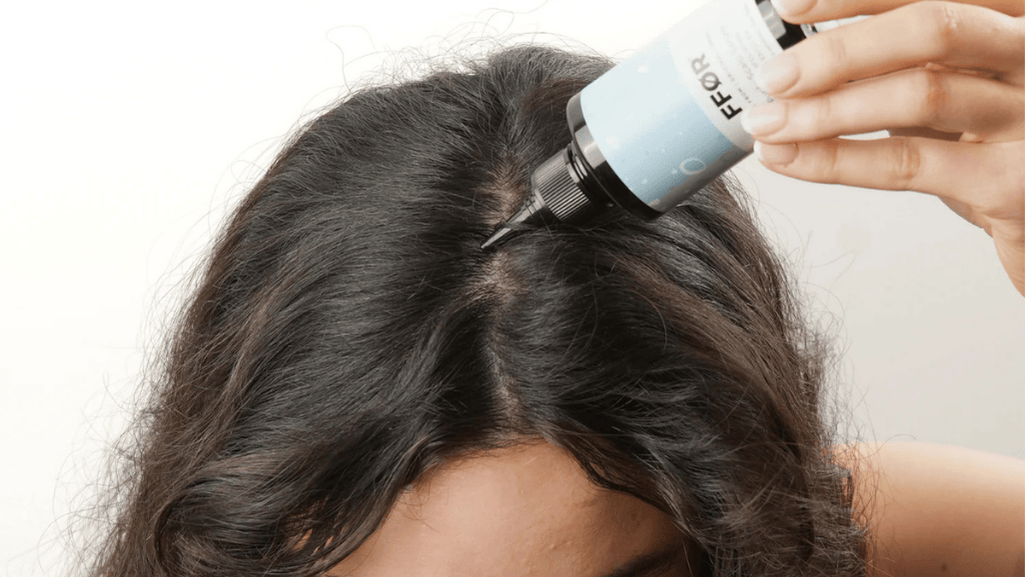
Dove DermaCare Dryness and Itch Relief pairs 1% pyrithione zinc with coconut oil, shea butter, glycerin, and sunflower seed oil. This mix aims to lower microbial load while rebuilding a more comfortable scalp barrier.
Why it works for dry scalps
Some people feel tightness, roughness, or mild itching yet still see recurring flakes. In these cases, a moisture-forward anti -dandruff shampoo helps control microbes without amplifying dryness.
- Balanced action: pyrithione and zinc provide mild antifungal support while oils restore softness.
- Itch relief: means reduced irritation and improved skin comfort as moisture returns.
- Hair feel: moisturizing formulas often leave hair softer and less tangled than stronger medicated washes.
How to use and when to switch
Use this product as your primary wash during dry seasons. Focus the lather on the scalp, rinse well, and avoid heavy application on lengths to prevent greasiness.
If flakes look oily, yellow, and cling, rotate in a stronger antifungal (ketoconazole or selenium sulfide) or an exfoliant for buildup. Monitor symptoms—if itching or irritation persists, check for fragrance sensitivity or contact dermatitis and consult a clinician.
Best for Sensitive Scalps and Fragrance Concerns
If your scalp stings or turns red after new products, pick washes that clear flakes without leaving residue. Sensitive scalps respond to a clean rinse and gentle actives rather than heavy scents or harsh surfactants.
Ouai Anti-Dandruff Shampoo: salicylic acid in a gentle, rinse-clean feel
Why choose it: Ouai uses salicylic acid to lift buildup while keeping a light, quick-rinse texture. Reviews note a sulfate-free base that helps reduce post-wash residue and cut down on irritation.
Fragrance-free options to consider: CeraVe and Neutrogena T/Sal
When fragrance is a known trigger, reach for a fragrance-free formula. CeraVe Anti-Dandruff Hydrating Shampoo and Neutrogena T/Sal offer proven actives with less risk of scent-related reactions.
- Define sensitive: stinging, redness, or quick irritation after trying new ingredients.
- Rinse-off matters: residue can worsen irritation; lighter feel improves tolerance.
- Ingredient tips: patch-test, avoid stacking actives, and alternate with a bland daily shampoo.
- Realistic plan: start with fewer medicated washes per week and ramp up as tolerated.
“Sensitive scalps often do better with mild exfoliation and minimal fragrance.”
Best for Color-Treated Hair and Shine Preservation
If you dye your hair, choose scalp treatments that remove buildup but spare your color. The goal is to control flakes and keep tone and shine intact.
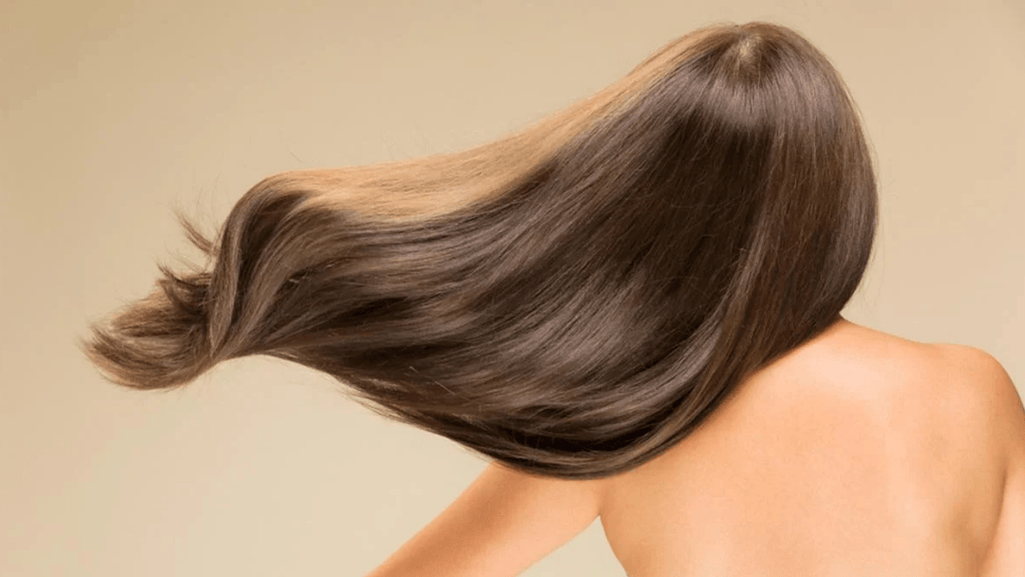
Oribe Serene Scalp Anti-Dandruff Shampoo: salon-luxe, color-safe exfoliation
Oribe blends a salicylic acid approach with a cosmetic finish. It exfoliates the scalp while leaving hair soft and glossy.
This is a luxury-meets-function pick for those who want treatment without sacrificing salon shine.
Leonor Greyl Paris Dandruff Shampoo: premium, color-conscious care
Leonor Greyl is a premium alternative for readers who prioritize sensorial feel and hair aesthetics along with scalp control.
- Big concern: treat the scalp without stripping tone or roughing the cuticle.
- Buyers’ tip: fine hair prefers lighter formulas; thick or coarse hair tolerates richer bases.
- Protect color: apply medicated wash to the scalp only, avoid mid-lengths, and follow with a color-safe conditioner.
- Expectations: even color-safe options may need rotation to balance treatment and softness.
“Exfoliating formulas can lift residue that dulls color while still addressing flakes.”
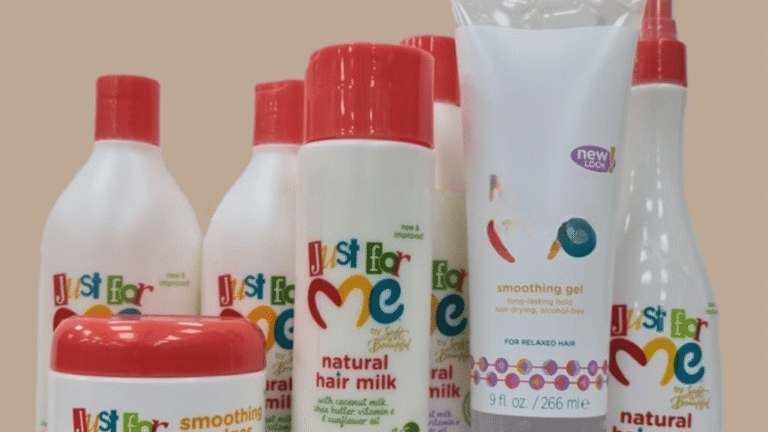
Best for Curly Hair, Coily Hair, and Protective Styles
Curly and coily textures need a tailored scalp plan because wash days are less frequent and buildup can stack quickly. Protective styles—braids, wigs, and extensions—trap oil, sweat, and product near the part lines. That makes a targeted approach to cleanse and soothe the scalp essential without disrupting the style or curl pattern.
Cécred Clarifying Shampoo & Scalp Scrub: exfoliating refresh for curl-friendly buildup control
Why it works: this clarifying shampoo uses a scrub-like exfoliant to lift debris and loosen buildup that can cause visible flakes along parts and the hairline. Test notes show it clears residue without overstripping natural oils, so curls keep shape and moisture.
What “scrub” means here: tiny physical or gentle chemical particles help dislodge trapped sebum and styling residue so the shampoo can cleanse more effectively.
Cécred Scalp Refreshing Spray: between-wash comfort for braids, wigs, and extensions
Use case: spray onto the scalp between washes to reduce itch, freshen the skin, and help lift loose debris without undoing protective styles. It’s ideal when washing isn’t practical but the scalp needs relief.
- Routine example: pre-treat problem areas with the spray, cleanse on wash day with the clarifying scrub, then follow with a hydrating conditioner or oil to protect strands.
- Caution: limit exfoliating scrubs to avoid irritation—space treatments based on symptoms and scalp sensitivity.
- Practical note: protective styles can trap heat and oil; regular gentle maintenance reduces flare cycles tied to sweat and buildup.
“Choose a wash-day exfoliant for a targeted reset and a light spray for daily comfort—pick based on your styling schedule.”
Best Strengthening and Moisturizing Options to Revitalize Hair
Treat the root and rescue the lengths: the right moisturizing wash can calm irritation while restoring resilience. These options work well when you need support alongside medicated treatments.
Jupiter Balancing Shampoo
Why it helps: Jupiter rebalances the scalp while keeping strands strong. It’s a good rotation pick after ketoconazole or salicylic treatments because it soothes without stripping.
SACHAJUAN Scalp Shampoo
Hydration-forward: SACHAJUAN focuses on comfort for mild flaking and dry skin. Use it on non-medicated wash days to keep the scalp calm and hair manageable.
Davines Oi Shampoo
Softness-first: Davines adds nourishment to revive dull, brittle lengths. It’s useful when flaking pairs with dryness and you want better slip and shine.
- Where they fit: rotate medicated treatments 2–3x weekly, then use a balancing or moisturizing wash on other days.
- Selection tip: very oily scalps still need occasional clarifying or exfoliation to remove excess oil and buildup.
- Why it matters: reducing scalp inflammation lowers scratching, which cuts breakage and helps hair look healthier.
Beyond Shampoo: Conditioners, Serums, and Scalp Exfoliators That Help
Layered care—conditioners, serums, and exfoliators—helps bridge the gap between washes for lasting scalp comfort. Shampoo alone often has limited contact time, and lengths still need moisture and detangling while you treat the root.
CeraVe Hydrating Anti-Dandruff Conditioner
What it does: this conditioner contains 0.5% pyrithione zinc plus ceramides, niacinamide, and hyaluronic acid to support the skin barrier and ease combing.
Use it on lengths after medicated washes to keep hair soft while delivering ongoing antifungal maintenance at the root.
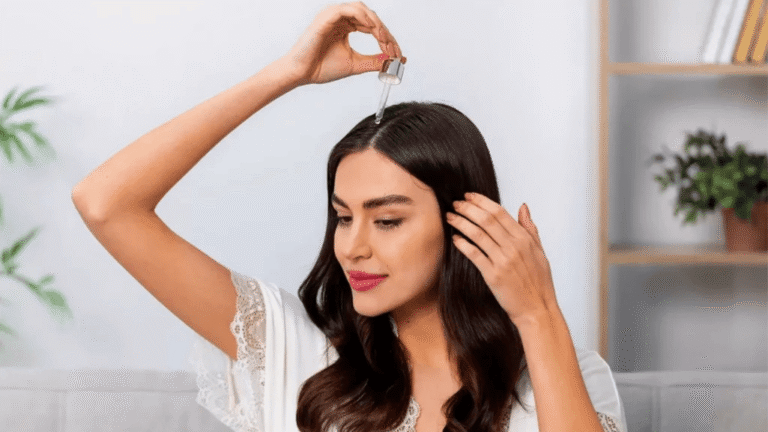
Jupiter Restoring Serum
Why a leave-in helps: the Jupiter product is a leave-in with zinc pyrithione and salicylic acid so actives remain on the scalp between washes.
This treatment is ideal for infrequent washers or protective styles, since the active stays put to manage recurring flakes and oil without daily washing.
Nioxin Scalp Purifying Exfoliator
How to use: apply as a pre-shampoo rinse-out step. Its acid blend (lactic, tartaric, benzoic) lifts oil and buildup so medicated products can work more effectively.
- Pairing guide: exfoliate 1× weekly (or as tolerated), use medicated washes on flare days, and apply conditioner to lengths every wash.
- Sensitive-skin caution: acids and multiple strong actives can tingle—start slowly and avoid stacking on the same day.
- Practical benefit: leave-ins and targeted pre-treatments cut buildup for protected styles and reduce the need for daily cleansing.
Goal: support the scalp barrier while treating flakes so results last and comfort improves.
How to Use Anti-Dandruff Shampoo for Faster Results
Treating flakes well is often more about how you use a product than which bottle you buy. A short, consistent routine and gentle technique improve outcomes and cut irritation.
Best-use cadence
Start with the product 2–3 times per week. Track changes for two weeks before changing frequency.
Once flakes and itching ease, taper to maintenance washes. Many people keep one medicated wash weekly.
Contact time tips
Apply the lather to a wet scalp first and let it sit 1–3 minutes when safe. That contact time lets actives affect yeast and excess skin cells.
Rinse thoroughly and apply conditioner to lengths only to avoid weighing hair down.
Smart rotation
If flakes persist, alternate ketoconazole and selenium sulfide weekly. They target fungal cells differently and can reduce tolerance or rebound.
What to avoid
- Avoid scratching or picking; this raises irritation and infection risk.
- Skip heavy oil-based styling products that add buildup and feed flare-ups.
- Don’t stack multiple strong actives on the same day; give each routine time to work.
“If symptoms persist or you see thick, red scaling, consult a dermatologist for next-step care.”
Conclusion
Pick products based on your scalp type and symptoms, not packaging claims.
Match the right active to the problem: ketoconazole or selenium sulfide for yeast-heavy flares, pyrithione zinc for steady maintenance, and salicylic acid to break up thick scale. Keep treatment simple and consistent and rotate to protect hair condition.
Plan: choose one primary dandruff shampoo, one gentle hydrating wash for non‑treatment days, and an optional leave-in for between washes. Regular use reduces flare cycles and keeps hair looking healthier.
If you see severe redness, thick plaques, or widespread scaling that suggests seborrheic dermatitis or psoriasis, consult a dermatologist for tailored care. Learn more about how these products work at how dandruff shampoo works.
With the right routine, most people can cut visible flakes and keep hair healthy today.
FAQ
What causes flaky scalp and how is it different from simple dryness?
Which active ingredients work best to control persistent flakes and itch?
How often should I use a medicated product to see improvement?
Can overuse of anti-flake treatments harm my scalp or hair?
What should I choose if my scalp is oily and has thick, greasy scales?
Which options are safest for sensitive scalps or fragrance-free needs?
Are there safe choices for color-treated or chemically processed hair?
When should I see a dermatologist instead of relying on store-bought products?
Can conditioners and serums help, or should I only use medicated washes?
How do I reduce recurrence once flakes improve?






 English