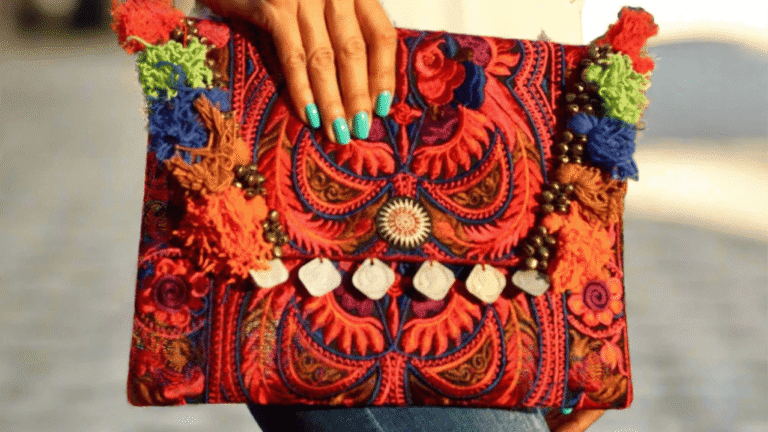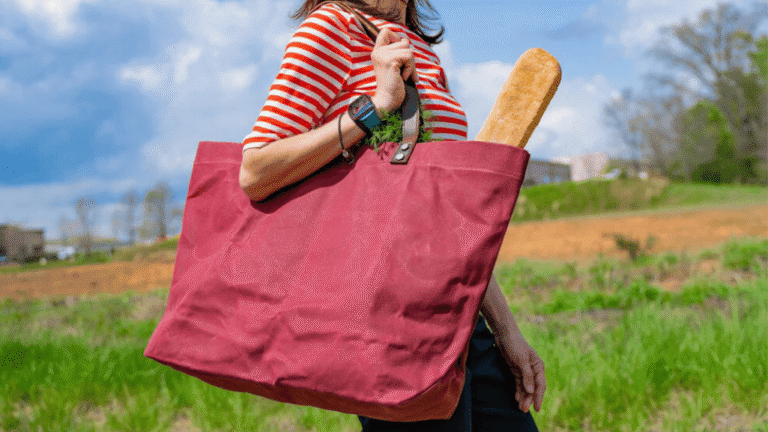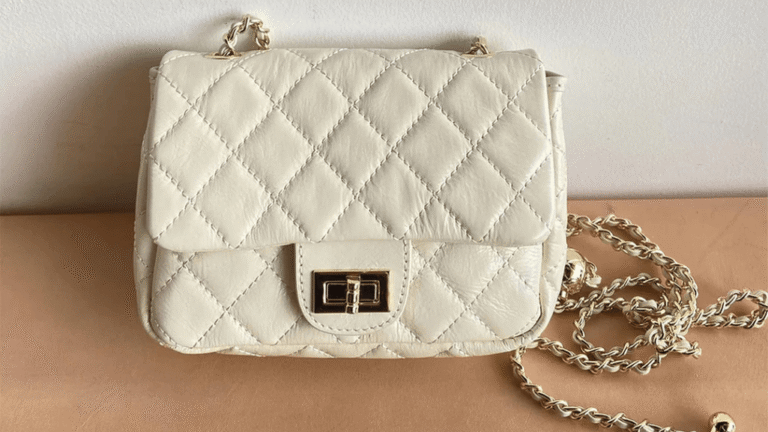



As shoppers grow more conscious about the environmental and social impact of their purchases, demand for sustainable handbags and eco-friendly fashion accessories is rising. More people want bags and handbags that reflect their values — products made with better materials, fair labor, and a smaller footprint. This article walks you through the leading sustainable handbag brands, the materials they use, and how to choose a bag that matches your style and sustainability goals.
Best fashion retailers
At the forefront of the sustainable fashion movement are eco-conscious handbag brands that prioritize ethical practices and use environmentally friendly materials. These brands are changing the way we think about fashion accessories, proving that style and sustainability can go hand in hand.
Key Takeaways:
- Consumers are increasingly looking for sustainable and eco-friendly handbag options.
- Eco-conscious handbag brands prioritize ethical practices and use environmentally friendly materials.
- Sustainable handbags can be both stylish and durable.
- Choosing sustainable handbags supports a more eco-friendly fashion industry.
- By opting for sustainable fashion choices, consumers can make a positive impact on the environment.
Best Sustainable Handbag Brands
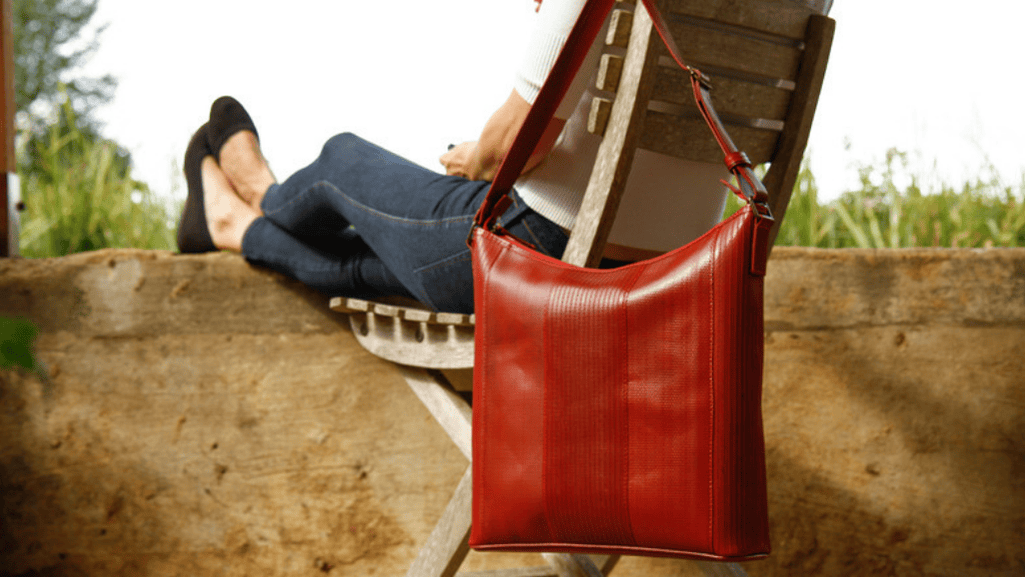 If you’re shopping for sustainable handbags, start by deciding what matters most—materials, price, or ethics. Below are top brands to consider, shown with a one-line summary, their hallmark sustainable material or practice, and a quick “best for” use case to help you choose the right bag.
Best fashion retailers
Let’s take a look at some of the top sustainable handbag brands:
- Sézane: French brand — mid-price, leather and vegetable-tanned options; best for timeless totes and everyday style.
- Cuyana: US label focused on “fewer, better” pieces — premium leather, classic shapes; best for investment totes and minimal wardrobes.
- Quince: Direct-to-consumer luxury at accessible prices — responsibly sourced materials; good for classic leather styles at value price points.
- Pixie Mood: Vegan brand using recycled materials — stylish, cruelty-free bags; best for vegan handbags and weekend bags.
- Baggu: Practical, affordable recycled-plastic and organic-cotton bags — great everyday totes and compact crossbody options.
- GUNAS: Luxury vegan leather label — cruelty-free designs with a fashion-forward street sensibility; best for statement pieces and evening bags.
- ALOHAS: Sustainable fashion brand known for woven and vegan designs — lightweight straw and vegan leather options; best for summer styles and eye-catching colours.
- Stella McCartney: High-end pioneer in sustainable luxury — innovative materials and transparent practices; ideal for designer handbags that prioritize ethics.
Each brand above offers a distinct collection and aesthetic — from everyday totes to refined clutches. When choosing a sustainable handbag, check the brand’s material list (vegetable-tanned leather, recycled fabrics, cork, wool felt), production transparency, and whether they support artisans or local communities. If you want, we can compile a quick store-ready shortlist (price tiers + best-for use cases) to help you buy the right bag for your needs.
Vegetable-Tanned Leather Handbags
 Vegetable-tanned leather is a classic, lower-impact leather option that many sustainable handbag brands favor. Instead of chrome-based chemicals, vegetable tanning uses plant-derived tannins — extracted from sources like quebracho, chestnut, or mimosa — to transform hides into leather. That means the leather is made with natural materials and, when managed responsibly, can reduce the chemical pollution associated with conventional tanning. For shoppers looking for a sustainable handbag that still offers the durability and feel of real leather, vegetable-tanned pieces are a strong choice.
Best fashion retailers
One of the key advantages of vegetable-tanned leather is its minimal environmental impact. The use of natural tannins and an organic tanning process significantly reduces chemical pollution, making it a planet-friendly choice. Additionally, this method creates a unique and desirable characteristic of the leather – a beautiful patina that develops over time, giving each handbag a distinctive and timeless appeal.
Several brands are leading the way in offering a variety of vegetable-tanned leather handbags. Sezane and Nisolo are renowned for their commitment to sustainability and craftsmanship. Their collections include a range of stylish and eco-friendly purses that are perfect for fashion-forward individuals with an ethical outlook.
The Benefits of Vegetable-Tanned Leather Handbags
Choosing a vegetable-tanned leather handbag comes with numerous benefits. Firstly, you can feel good knowing that your purchase aligns with your eco-conscious values. By supporting brands that prioritize sustainable materials and production methods, you contribute to a more sustainable and ethical fashion industry.
Additionally, vegetable-tanned leather handbags are known for their durability and longevity. Unlike fast-fashion accessories that quickly wear out, these handbags are designed to withstand the test of time. With proper care, your vegetable-tanned leather purse can be a staple in your wardrobe for years to come.
Wool Felt Handbags
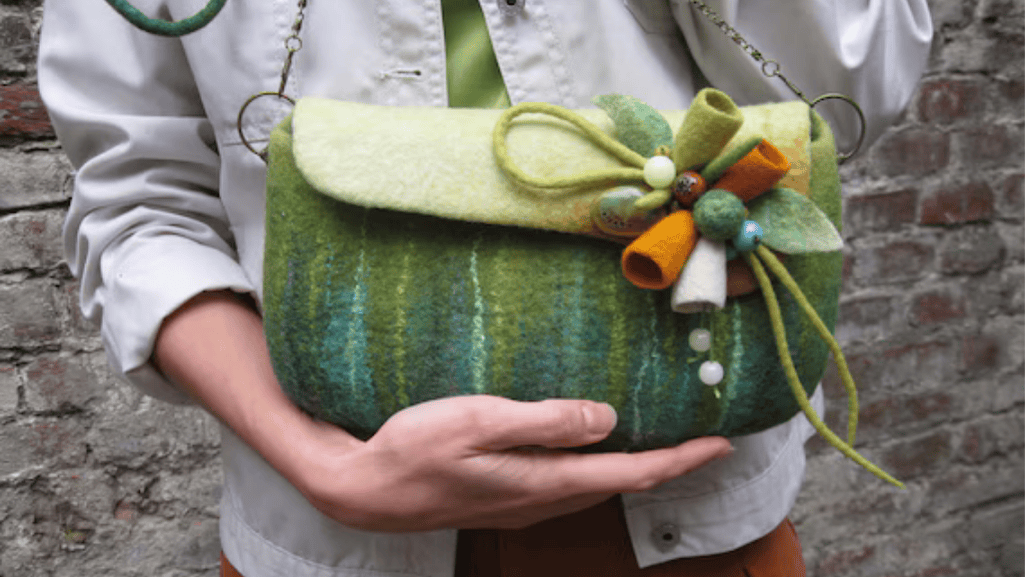 Wool felt handbags are a growing sustainable handbag trend because they use natural fibers and minimal processing. Felt is typically made by matting and compressing wool fibers, which means less chemical treatment than many other materials. That makes wool felt an attractive option for shoppers who want a biodegradable, renewable material without sacrificing refined looks or tactile luxury.
Practical benefits include natural insulation and modest water resistance — felt helps protect contents from temperature changes and light moisture. The material also accepts rich dyes, so wool felt bags come in vibrant colours and tactile finishes that stand out on the street and in curated collections.
Who should choose wool felt? If you want a stylish day bag or tote with a soft, luxe feel and easy-to-style colours, wool felt is a great material choice. It’s especially suited for commuters, creatives, and anyone who values natural fibres and artisan-made designs.
If you’re curious about brands, Katya Komarova and Nena & Co. make distinctive wool felt bags that emphasize artisanal craftsmanship and bold designs. Their range showcases how wool felt can be both practical and fashion-forward.
Quick Care Tips for Wool Felt Bags
- Spot clean with a soft brush and mild soap; avoid soaking a felt bag.
- Air dry flat and reshape while damp to keep the silhouette.
- For pilling or loose fibers, gently trim or brush — don’t use harsh chemicals.
| BrandKey Features | |
| Katya Komarova | Handcrafted wool felt handbags with unique designs — artisan-made and colorful. |
| Nena & Co. | Artisan-crafted wool felt with bold colours and patterned finishes — ideal for statement bags. |
Wool felt handbags pair enduring materials with standout style — a great option if you want a tactile, durable bag made from a renewable material. If you’d like, I can create a short “best wool-felt bags” shopping list (by price and style) to help you find the perfect tote or day bag.
Sustainable Materials in Handbags
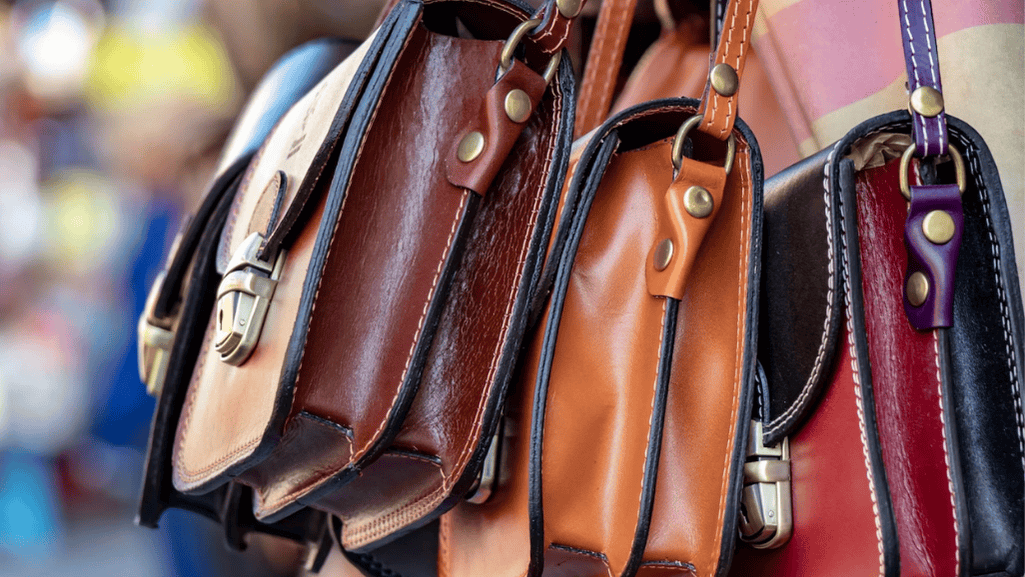 Beyond vegetable-tanned leather and wool felt, many sustainable handbag brands use a wider mix of low-impact materials. Common eco-friendly options include recycled plastics, organic cotton, cork, and rattan — each with different benefits. Below we define each material, list quick pros/cons, and give brand examples so you can match a material to the bag you want.
Recycled Plastics
What it is: Polyester or nylon fabrics made from recycled plastic bottles or fishing nets. Pros: reduces waste and landfill, durable and water-resistant. Cons: still a plastic (not biodegradable), quality varies by process.
Best for: everyday totes, casual crossbody bags and lightweight backpacks. Brands: Matt & Nat, Baggu. Care: wipe clean, air dry.
Organic Cotton
What it is: Cotton grown without synthetic pesticides or GMOs. Pros: biodegradable, lower chemical footprint, soft and breathable. Cons: can still be water- and stain-prone; requires water to grow (look for water‑efficient certifications).
Best for: casual day bags and lightweight totes. Brands: Angela Roi, Patagonia. Care: gentle wash, avoid bleach.
Cork
What it is: Bark harvested from cork oak without cutting the tree. Pros: renewable, biodegradable, naturally water-resistant and lightweight. Cons: limited aesthetic range (but improving with finishes).
Best for: structured totes and unique-texture accessories. Brands: Svala, Eve Cork. Care: wipe with damp cloth.
Rattan
What it is: A vine-like natural material woven into baskets and bags. Pros: renewable and strong, offers a handcrafted look. Cons: less weather-resistant unless treated.
Best for: summer totes and woven street-style bags. Brands: Cult Gaia, Bembien. Care: store dry; avoid heavy rain.
| MaterialBrands / Best for | |
| Recycled Plastics | Matt & Nat, Baggu — best for durable everyday bags and casual totes |
| Organic Cotton | Angela Roi, Patagonia — best for natural-feel day bags and lightweight totes |
| Cork | Svala, Eve Cork — best for water-resistant, textured accessories |
| Rattan | Cult Gaia, Bembien — best for woven summer totes and boho styles |
Different materials suit different needs — recycled plastics for durability and water resistance, cork for lightweight structure, organic cotton for a soft, natural feel, and rattan for a handcrafted aesthetic. If you’d like, I can create a short store-ready comparison (best materials by use case and care notes) to help you pick the right bag and make shopping faster.
The Benefits of Sustainable Handbags
 Choosing sustainable handbags delivers practical and ethical returns: lower environmental impact, support for fair labor, and long-lasting style. Sustainable bags and handbags are often made from materials with smaller footprints, produced transparently, and created to last — so you buy fewer bags over time. Below are the main benefits and quick guidance so you can match materials and brands to what matters to you.
If you need a quick decision tip: prioritize materials for durability (vegetable-tanned leather, cork), choose recycled fabrics for low waste and weather resistance, and pick wool felt or organic cotton if you prefer natural fibers and texture. Below are four key benefits with short, actionable points.
1. Environmental Impact
Sustainable handbags reduce waste and often use materials with lower lifecycle impacts — for example, bags made from recycled plastics divert bottles from landfill, while vegetable-tanned leather avoids harsh tanning chemicals. When brands disclose material sourcing and production energy or water savings, that’s a good sign; look for transparency reports or certifications as supporting evidence.
2. Fair Labor Practices
Many ethical brands work with artisans and local communities, pay fair wages, and maintain safer work environments. Choosing those brands supports better working conditions and can channel economic benefits to women and men in production regions. Always check brand pages for supplier audits or wage commitments if labor practices are a priority for you.
3. Durability and Timelessness
High-quality sustainable bags are built to last — think reinforced stitching, durable materials, and classic designs that don’t follow fleeting trends. Investing in a well-made tote or crossbody reduces replacements and long-term waste; it’s often the most impactful sustainability choice a shopper can make.
4. Supporting Small Businesses and Artisans
Many sustainable handbag brands are small, independent labels that work directly with artisans. Buying from them supports craftsmanship, local economies, and often results in more distinctive designs and colours. If you want a bag with a story — look for brand pages that highlight their artisan partners and production regions.
Want a quick checklist to decide? If durability is your top priority choose vegetable-tanned leather or cork; if vegan and low-waste are key, pick brands using made-recycled fabrics; if artisan-made design and colours matter, search for small brands that work with local communities and artisans. I can compile a short buyer’s checklist for your preferred price tier or style (tote, crossbody, clutch) if you’d like.
Conclusion
Sustainable fashion trends are here to stay, and sustainable handbags are a clear way to put values into practice. Whether you choose a vegetable-tanned leather tote, a wool felt day bag, or a recycled-plastic crossbody, your purchase can reduce environmental impact and support better production practices.
Brands like Sézane, Cuyana, and Nisolo — among many others — show that thoughtfully made bags can combine design, durability, and ethics. When shopping, look for clear information about materials, production, and the brand’s impact: that transparency separates genuine sustainable handbag brands from greenwashing.
Quick Takeaways
- Pick the material that matches your priorities: durability (vegetable-tanned leather, cork), low waste (recycled fabrics), or natural fibers (wool felt, organic cotton).
- Look for transparency — brands that publish sourcing and production details are more likely to deliver on sustainability claims.
- Invest in quality: a well-made bag is the best single action to reduce fashion waste over time.
Ready to shop? Tell me the style and price range you prefer — tote, crossbody, clutch or backpack — and I’ll prepare a curated shortlist of sustainable handbags and stores that match your choice.
Frequently Asked Questions
What are sustainable eco-friendly handbags?
Which brands are known for producing sustainable handbags?
What is vegetable‑tanned leather?
What are wool felt handbags?
What other sustainable materials are used in handbags?
What are the benefits of choosing sustainable handbags?