
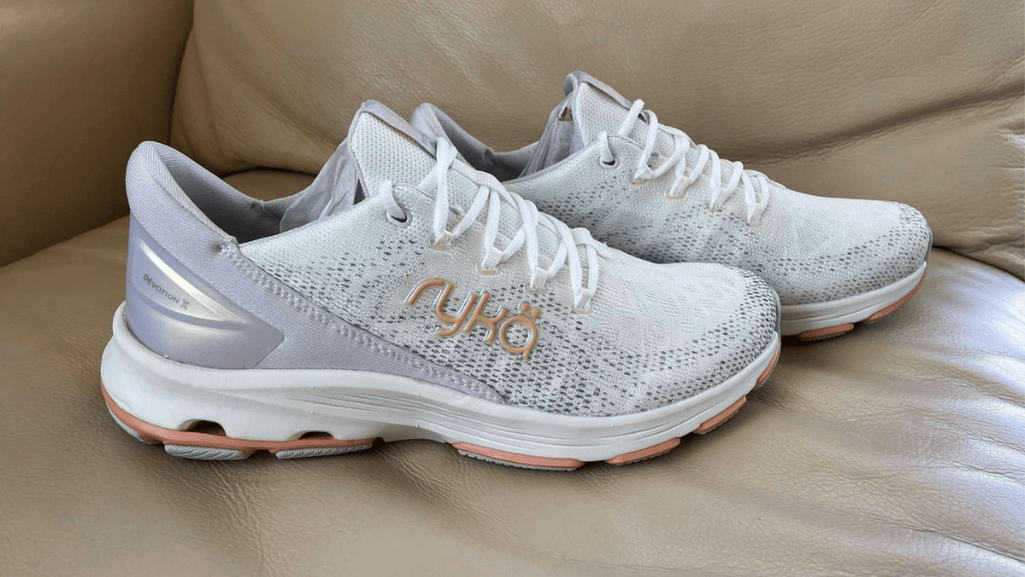

Ready for steadier, more cushioned steps? This guide explains how orthopedic-focused walking footwear is built to add stability, shock control, and long-day comfort for people on their feet. It helps you compare options and decide which pair fits your routine and budget.
We cover who benefits most—commuters, travelers, errand-runners, and those who log exercise miles and need reliable comfort. You’ll learn the evaluation lens used across picks: stability, cushioning, fit, traction, and ease-of-use features that matter in real life.
Many common heel and foot pain patterns, including plantar fasciitis, often ease when a shoe offers proper structure and shock control. The article shows what “orthopedic” means here, how picks were chosen, what to look for, targeted recommendations by need, and how to customize with inserts or orthotics.
Read-first note: persistent pain deserves a clinician’s review to rule out other causes and to match footwear to the right diagnosis.
Key Takeaways
- These picks focus on stability and cushioning for daylong comfort.
- We compare fit, traction, and ease-of-use for real-world wear.
- Structured footwear can help common heel and foot pain patterns.
- Options are organized by need, routine, and budget.
- Discuss ongoing pain with a clinician before relying on footwear alone.
Why Orthopedic Walking Shoes Matter for Active Lifestyles
For people on their feet most of the day, design choices matter more than labels. In today’s market, orthopedic describes practical features: stable platforms, supportive midsoles, and roomier uppers that reduce pressure points.
What “orthopedic” means in shoe design
Practical design focuses on motion control and pressure distribution. A stable sole and a shaped midsole limit unwanted twist and spread loads across the foot. That reduces fatigue during long shifts or travel days.
Who benefits most
- People with demanding workdays or long standing hours.
- Frequent travelers and fitness walkers seeking steady comfort.
- Anyone with sensitive feet who needs fewer hotspots and less friction.
Common foot issues these designs target
These designs aim to ease heel pain, arch strain, swelling, bunions, and day-long soreness. Comfort often follows when a shoe holds the heel steady and supports the arch consistently.
Remember: the right choice depends on fit and gait. The best picks perform across real routes and surfaces, not just in a showroom.
How We Chose the Best Pairs for Comfort, Support, and Real-World Wear
We tested dozens of pairs over real routes to see how design choices hold up in day-to-day use. Our process blends practical wear tests with lab-style measurements so recommendations reflect both feel and build quality.
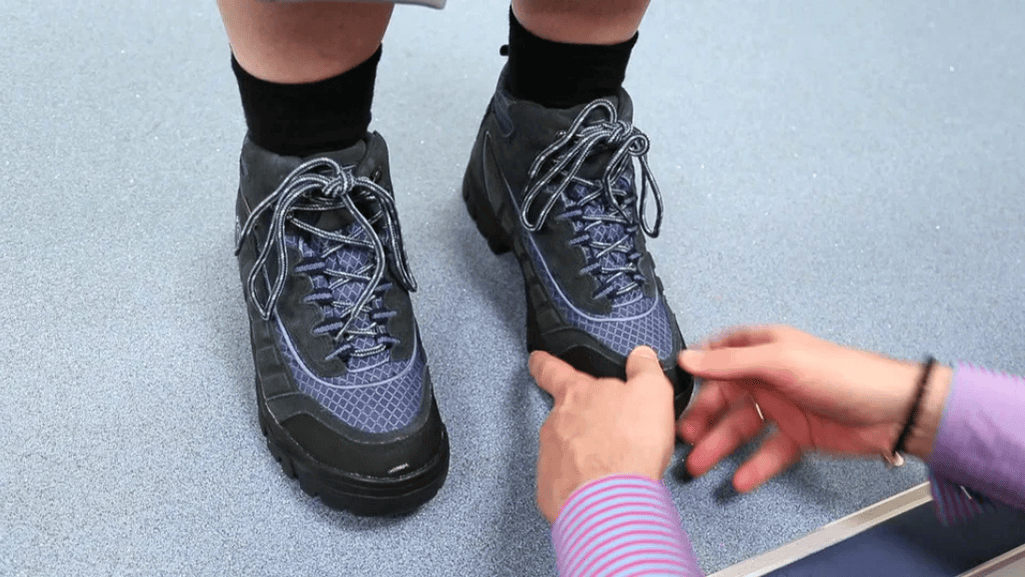
Wear testing across daily routes and surfaces
Testers logged morning walks, commutes, and city miles on concrete, tile, and cobblestones. That reveals how a shoe performs on hard sidewalks, slick store aisles, and uneven streets.
Lab-style checks shoppers can verify
We cut samples to measure shock absorption (ASTM F1976), breathability, platform width, and outsole grip. Stability scores use torsional rigidity and heel-counter stiffness (1–5 scale). Aim for ≥3/5 in both for reliable support.
Buying guidance: online vs. in-store
- Online: prioritize clear width options, detailed fit notes, and generous return policies.
- In-store: walk on hard floors, check heel slip, and feel platform width under load.
Combine how a pair feels after real miles with measurable performance data to pick the best fit for your routine.
What to Look for in Walking Shoes When Foot Pain Is a Concern
Choosing a shoe when you have foot pain means following a clear performance checklist. Focus on features that reduce strain and protect joints from repeated impact.
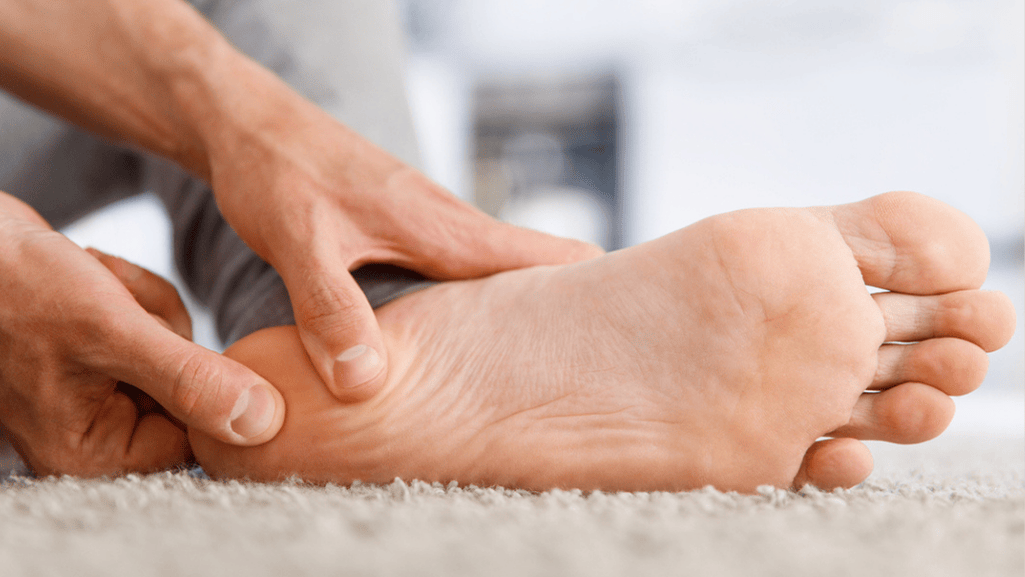
Wide, stable platforms and torsional rigidity
Wide bases and torsional stiffness give each step more control. Aim for shoes with a torsional rigidity ≥3/5 so feet feel less wobbly on soft foam.
Shock absorption from heel to toe
Shock absorption lessens impact at heel strike and through toe-off. A minimum ~100 SA helps protect joints on long days and during repeated steps.
Heel-to-toe drop and heel elevation
Heel-to-toe drop is the rise from the heel to the forefoot. A moderate drop near 8 mm can reduce strain for some heel pain and plantar fasciitis patterns.
Moderate cushioning softness
Choose midsoles in a moderate range (HA 20–30). Too firm feels harsh; too plush can feel unstable and worsen discomfort during flare-ups.
Structured heel counters
Stiff heel counters (≥3/5) limit rearfoot shifting. That reduces rubbing and helps the heel track naturally with each step.
Toe box width and height
Roomy toe boxes prevent pressure on the big toe and stop rubbing as feet swell. Look for height and width that let toes spread naturally.
Rocker designs for smoother transitions
A mild rocker can ease the roll from heel to toe and lower strain on the arch and plantar fascia. Start gradual—aggressive rockers may need an adjustment period.
- Pain-first checklist: stability, impact control, fit.
- Key specs to verify: torsional rigidity ≥3/5, heel counter ≥3/5, shock absorption ~100 SA, drop ≈8 mm.
- Fit checks: roomy toe box, secure heel, balanced midsole softness.
Orthopedic Walking Shoes for Plantar Fasciitis and Heel Pain
If your heel aches most after rest, the right support and cushioning can make mornings easier.
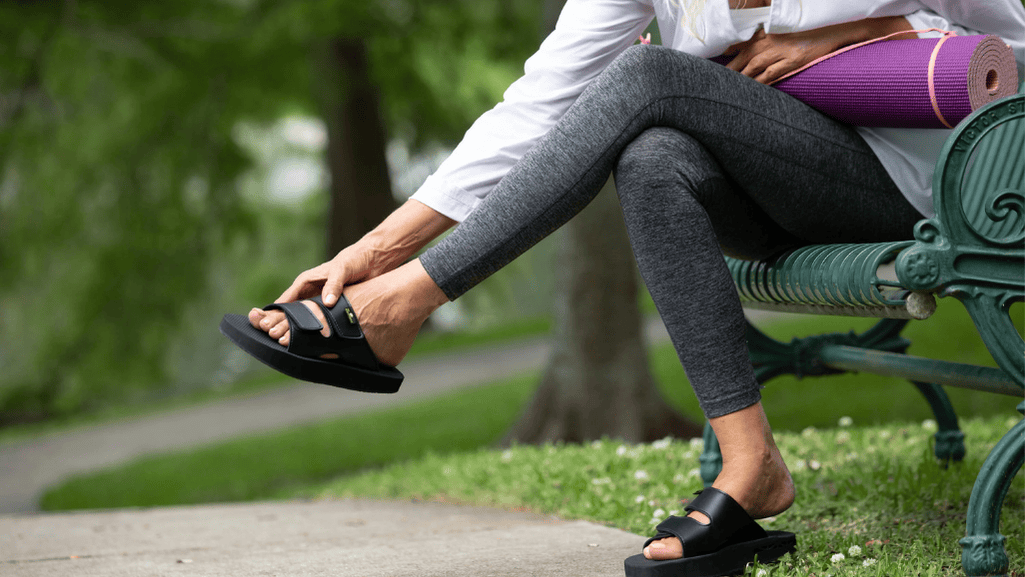
Support and cushioning features most associated with relief
Plantar fasciitis is inflammation of the band from heel to toes and usually shows up as sharp heel pain on first steps. Many people find relief when a shoe offers firm arch geometry, controlled heel hold, and steady shock absorption around 100 SA.
Look for: a stable platform that resists twisting, a secure heel counter, and moderate midsole softness (HA 20–30). These features reduce load on the fascia and help ease pain during repeated steps.
Why minimalist and barefoot options can be a poor match during flare-ups
Minimalist or barefoot styles often lack cushioning, heel elevation, and built-in arch support. During acute flare-ups they can increase strain and prolong recovery.
How to choose when pain is worst in the morning or after rest
Start with stable cushioning and a secure heel counter. Then confirm fit and toe room to prevent rubbing as feet swell.
- Prioritize arch support and controlled heel hold first.
- Target ~8 mm heel-to-toe drop to reduce strain for many people.
- Use running shoes for faster, power-paced walks; prefer dedicated walking models for all-day standing and casual miles.
Shoes are a supportive tool — seek a professional evaluation if heel pain persists, since other conditions can mimic plantar fasciitis.
Top Picks: Best Overall Orthopedic Walking Shoes for All-Day Comfort
This quick shortlist narrows top categories for people who need steady comfort all day. Each pick matches a common need: cushioning balance, hard-floor protection, a light feel, or grippy durability.
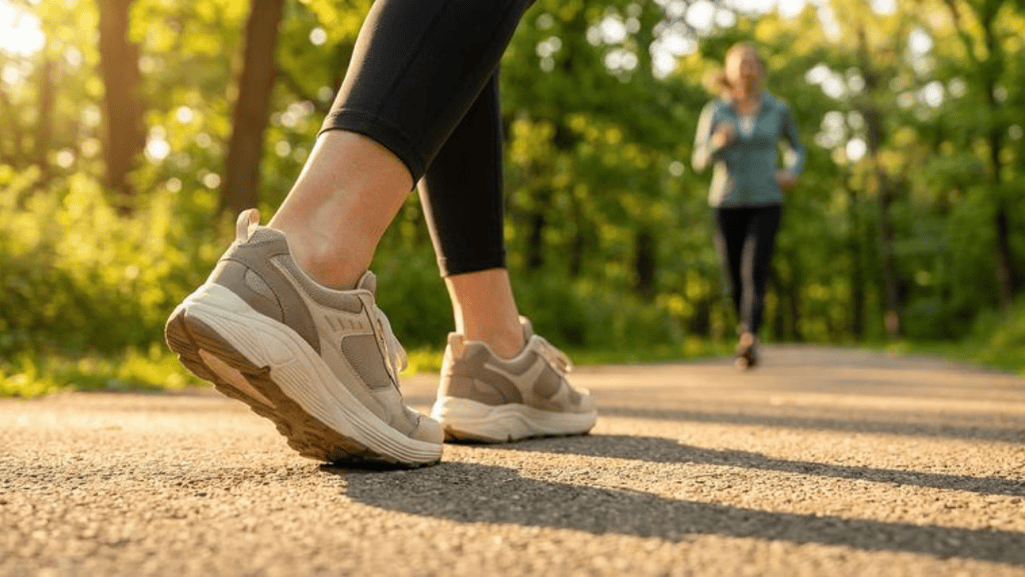
Best overall for balanced arch support and cushioning
What to expect: stable midsole geometry, consistent arch support, and cushioning that protects without wobble. Look for a pair that keeps arch shape after hours of wear.
Best for long days on hard floors (work and commuting)
Focus: impact protection, a secure heel, and outsole grip that holds on tile and slick floors. These models resist compression under repeated steps.
Best lightweight shoe for easy, quick steps
Light but structured: minimal weight with midfoot support and a predictable ride. The goal is a light step that still offers reliable stability during short bursts of activity.
Best for durability and traction on mixed city surfaces
Non-negotiables: long-wear outsoles and multi-surface traction for concrete, tile, and uneven pavement. Expect thicker rubber in high-wear zones and a tread that sheds debris.
Each recommendation is reviewed for how it feels after hours of wear, how support holds late in the day, and whether it causes rubbing or pressure points.
Note: the best-reviewed pair only works if width and fit match your feet. If you need more room, the next section covers wide-foot options.
Best Orthopedic Walking Shoes for Wide Feet and a Roomy Toe Box
A roomy last can turn a painful stroll into a comfortable day on your feet. For those with wide feet, the right width improves balance, reduces pinching, and helps hold proper alignment through long hours.
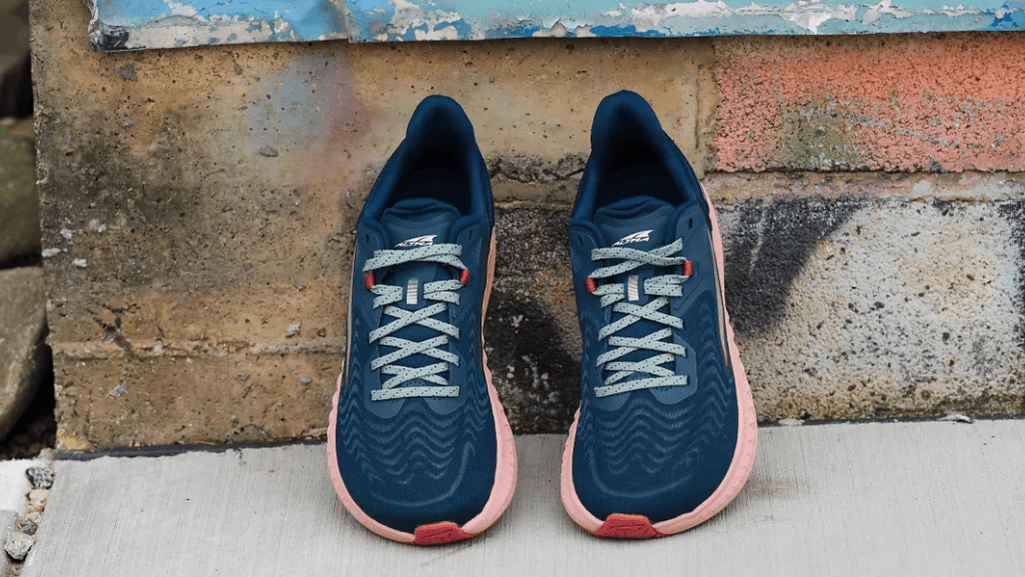
What to look for in wide widths and a pressure-free fit
Wide widths are more than sizing up. They widen the forefoot platform so toes can splay naturally. That adds stability and decreases lateral collapse that leads to strain.
Fit checklist for wide feet:
- Roomy forefoot and extra toe box height to allow natural toe spread.
- Secure heel hold so the foot doesn’t slide forward into the toes.
- Uppers that stretch or have adjustable closures to handle swelling through the day.
- A midsole that still offers arch support without pinching the midfoot.
Why toe room matters for bunions, hammertoes, and swelling
Extra space around the big toe reduces pressure on bunions and lowers friction on hammertoes. That means fewer hot spots and less irritation during a long day.
Pressure-free fit also stops compensation patterns — toes that are cramped cause subtler shifts in how you step, which can create problems up the chain in the knee and hip.
Choose brands and models offering multiple widths and stretch-friendly uppers if your feet vary from morning to evening.
Try-on tips: stand while checking toe splay, look for no rubbing at forefoot seams, and confirm the heel stays planted. If bending is hard, prioritize fast-entry features and wide openings for easier on/off.
Best Hands-Free Comfort Walking Shoes for No-Bend Convenience
No-bend entry styles are made to reduce stooping and limit the need to crouch while getting ready. These designs focus on quick step-in access without sacrificing support for all-day comfort.
What hands-free entry means in practice
Hands-free comfort refers to step-in designs that cut out lacing and repeated adjusting. You slip your feet in, secure naturally, and go—ideal when bending is difficult or time is short.
Who benefits most
People with back or knee limits, caregivers, frequent travelers, and workers who switch footwear between tasks gain the most. Men and women who value speed and simplicity also appreciate this convenience.
Design cues to watch for
- Reinforced heel geometry to stop collapse and reduce heel slip.
- Stretchy uppers or elastic gussets that allow a smooth step-in.
- Stable platforms and firm midfoot support to keep comfort steady during each step.
- Secure internal counters to prevent friction even with frequent on/off use.
Fit matters: step-in models still need correct length and width. Poor fit can turn ease into heel slip, rubbing, or blisters during a long day of work or errands.
Pick hands-free styles that list heel stability and midfoot support, then try them under load to confirm a secure, pressure-free fit.
Next: brand spotlights highlight leading hands-free lines available in the U.S. that pair quick-fit technology with real comfort and support.
Brand Spotlight: Orthofeet Walking Shoes and the Ortho-Cushion System
Orthofeet focuses on comfort and fit for sensitive feet. Their Ortho-Cushion™ System uses multi-layer cushioning to soften impact from heel to toe. This reduces strain and helps protect joints during long days on your feet.
Multi-layer cushioning that absorbs shock from heel to toe
Plain terms: stacked foams and supportive layers soak up impact so each step feels smoother. That shock absorption matters if you stand or walk a lot.
Mild rocker geometry for a natural roll
The gentle rocker helps propel the foot forward. It lowers effort at toe-off and can ease strain when you log many daily steps.
Included orthotic insole and optional Arch Booster
Most models include a specialty orthotic and offer an Arch Booster for extra lift. This setup gives added arch support without immediately needing custom devices.
Fit features for wide or sensitive feet
Wide toe boxes, stretch uppers, and seamless padded linings reduce pressure on bunions, hammertoes, and tender skin. The design aims to limit rubbing and irritation for neuropathy or diabetes-related conditions.
Free shipping, free returns, and a 60-day wear test give buyers confidence to try a new pair risk-free.
Best for: people seeking pressure relief, stable support, and proven cushion in their footwear. For a closer look at related options, see this orthopedic sneaker guide.
Brand Spotlight: Dr. Comfort Walking Shoes, Quick-Fit Technology, and Inserts
A practical step-in design can remove a daily struggle and encourage safer, more consistent wear.
Quick-Fit hands-free options designed for effortless step-in
Quick-Fit models let you slide in without bending, tying, or adjusting. That ease helps people with limited mobility, back pain, or busy routines get ready faster.
Fit still matters: check heel security and length so the foot stays stable during use.
EXOS and gel inserts for added support and stability
Dr. Comfort offers EXOS® inserts as a comfort and support upgrade. Gel inserts add medial and lateral stability to improve balance and reduce shear forces on the foot.
Custom orthotics as an upgrade path for persistent foot issues
When prefabricated inserts don’t resolve recurring hot spots or pain, mySupport™ custom orthotics are made from a mold of your foot. This is a logical next step for persistent issues or specific biomechanical conditions.
What to know about shipping, guarantees, and warranty coverage
- Free Shipping and a 30-Day Guarantee let buyers try a pair without major risk.
- Warranty coverage includes a 1 Year Warranty on some components and a 6 Month Warranty on others. Read policy details before purchase.
- Brand access to an in-house lab supports diabetic-foot needs with measurable customization options.
“Dr. Comfort combines therapeutic features with hands-free convenience for everyday ease.”
Practical note: Dr. Comfort is a strong option for shoppers who want therapeutic features plus convenience. Men shopping shoes men lines should still confirm width and style choices to match work and daily needs.
Men’s Walking Shoes: Finding the Right Fit, Support, and Style
Men often need a balance of durability and comfort that holds up from the morning commute through late shifts. Pick a pair that keeps performance consistent across a full day and matches the look you need for work or casual wear.
Choosing the right pair for work, daily wear, and performance walking
What matters: reliable support, durable outsoles, and a secure fit that stays comfortable on hard floors and long routes. For fitness walks, favor lighter weight and responsive midsoles. For all-day standing, prioritize sturdy platforms and shock control.
Key fit checks for men: heel hold, arch match, and toe room
- Heel hold: no slip when you walk and no blisters at the back of the foot.
- Arch match: the arch should align with your foot without poking or collapsing.
- Toe room: allow natural splay so toes don’t jam after hours on your feet.
When a walking shoe vs. running shoes makes more sense
Choose a dedicated walking model for casual miles, long standing shifts, and slower paces. Use running shoes for short, faster efforts where cushioning and spring matter more. Tip: the best pair feels steady at the end of the day, not only in the first few minutes.
If a pair is nearly right, added insoles or orthotics can fine-tune fit and support without changing style.
Inserts, Orthotics, and Arch Support: How to Customize Your Walking Shoe
Adding the right insole is frequently the last step that turns a good fit into a great one. Customization helps redistribute pressure and improve arch support when the platform and size are already correct.
Prefabricated vs. custom devices
Prefabricated inserts and orthotics are lower cost and immediate. Brands like Dr. Comfort offer EXOS and gel options that add stability and cushioning.
Custom orthotics are molded to your foot, cost more, and take time. They work best when basic fit and platform support aren’t enough.
How insoles and add-ons change fit
Included insoles or Arch Boosters can raise the arch, change heel lock, and alter volume inside the shoe. That can relieve hotspots or, sometimes, make a pair feel tight.
Signs you need more stability
- Low or absent arches while sitting or standing.
- Noticeable inward rolling (overpronation) during gait.
- Faster wear on the inner side of your outsole.
Tip: after swapping inserts, reassess length, toe box clearance, and heel security. Certain conditions need smooth, well-fitted insoles to reduce friction and new issues.
“The right insert finishes the fit—don’t accept new pressure after adding support.”
For a deeper look at differences among insoles and inserts, see this guide: orthotic and insole guide.
How to Get the Best Results From Your Walking Footwear
A short plan for breaking in and rotating pairs keeps support consistent and feet happier.
Break-in, daily wear patterns, and rotating pairs
Expect a brief break-in period even with high-quality footwear. Wear a new pair for short errands the first two or three days. If discomfort worsens, reassess fit or insert choice rather than forcing more time.
Rotate at least two pairs across the week. Alternating reduces midsole compression and gives materials time to dry, which preserves long-term support and comfort.
Sock choices and friction control for blister prevention
Choose socks with smooth seams, enough thickness to fill the volume, and moisture-wicking fibers. Proper socks reduce rubbing, limit blisters, and help a pair maintain a stable fit during a long day.
When to replace your shoes to maintain cushion and support
Watch for signs of decline: new heel soreness, arch fatigue, visible outsole smoothing, or a sensation of being “bottomed out” on hard floors. Replace before pain returns—worn cushioning can alter gait and make every step harsher.
Takeaway: quality footwear works as a system—shoe + sock + inserts. Match that system to your routine and replace a tired pair before it changes how your feet feel each day.
- Quick tips: use your most supportive pair for the longest days.
- Keep lighter pairs for short, easy outings when your feet feel calm.
- After adding inserts, recheck length and toe clearance to avoid new pressure points.
Conclusion
Wrap up your search by focusing on function over fashion—start with what each pair actually does for your feet.
Prioritize a stable platform, measured shock control, a secure heel structure, and roomy toe clearance so there is no slip. These features repeat across top picks and matter most when foot pain is a factor.
Best-match cases include wider widths for roomy fit, hands-free entries for easy step-in use, and durable models for long workdays on hard floors. For plantar fasciitis, choose stability plus cushioning and avoid minimalist designs during flare-ups; a mild rocker can help if it feels controlled.
Quick next step: shortlist two or three options, confirm widths and return policies, test indoors, and use the checklist—stability, traction, durability, and fit—before long miles. If heel or persistent foot pain continues, see a professional; footwear can ease pain but may not resolve every case.
FAQ
What does “orthopedic” mean in modern supportive footwear?
Who benefits most from these supportive pairs?
How should I test fit and support if buying online?
Which features reduce heel and joint pain best?
Are minimalist or barefoot designs good when I have plantar fasciitis?
How do I choose shoes for wide feet or swollen toes?
What’s the difference between prefabricated insoles and custom orthotics?
Can inserts change how a pair fits?
How do hands-free or Quick-Fit designs help people with mobility limits?
How long should a supportive pair last before replacing them?
What sock choices prevent blisters and improve comfort?
Are there brand-specific features worth noting for sensitive feet?
Should men choose different models than women for support and fit?
How do I prioritize features if I work on hard floors all day?
Can I use these supportive pairs for light running or gym sessions?






 English