 Skip to content


Wondering “what is the difference between toilette and parfum”? In short, the main difference comes down to fragrance concentration — and that affects how a scent smells on your skin, how long it lasts, and when you might choose to wear it. If you’re deciding between eau de toilette and eau de parfum, this guide will help you pick the right perfume for your day, evening, or as a thoughtful gift.
In general terms, eau de toilette contains a lighter concentration of fragrance oil — commonly around 8 percent to 12 percent — while eau de parfum usually has a higher concentration, often in the 12 percent to 18 percent range. These numbers can vary by brand and formulation, but they give a useful rule of thumb: higher concentration typically means a richer scent and longer wear.
“Toilette” refers to a lighter, more subtle fragrance suited to casual wear, while “parfum” designates a denser, longer-lasting scent ideal for evenings or special occasions. Keep in mind that concentration isn’t the only factor in quality — notes, composition, and how a fragrance interacts with your skin all shape the final scent.
Key Takeaways:
Eau de toilette: lighter concentration (about 8–12%); great for daytime, office, and warmer weather.
Eau de parfum: higher concentration (about 12–18%); richer, longer-lasting — a good choice for evenings or cooler seasons.
Concentration ≠ quality: percentage of fragrance oil describes strength, not necessarily superiority.
Try before you buy: sample EDT and EDP versions on your skin to see which suits your personal preference and skin chemistry.
Read on to learn how concentrations, notes, and application tips help you make the right choice for home, work, or a gift.
Exploring Fragrance Types: Eau de Toilette and Eau de Parfum
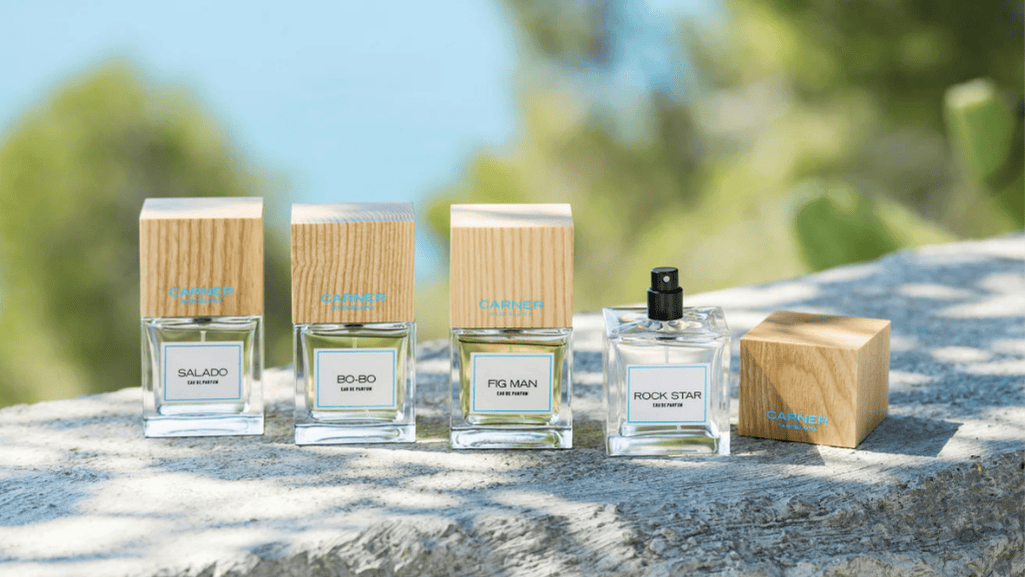 Eau de toilette and eau de parfum are two of the most common fragrance types you’ll encounter when shopping for perfume. They share many of the same notes and compositions, but they differ primarily in fragrance concentration and therefore in how they smell on your skin, how long they last, and when you might choose one over the other. Understanding these differences makes it easier to pick a scent that fits your day, evening plans, or personal preference.
Eau de Toilette
Eau de toilette generally has a lighter fragrance concentration — commonly around 8% to 12% — which creates a fresher, airier scent. Because of that lower concentration, eau de toilette is often preferred for daytime wear, office settings, or warmer weather when you want a subtle, non‑overpowering presence. Typical longevity for many EDTs ranges from about 3 to 5 hours, though this varies by formulation and skin type.
Eau de Parfum
Eau de parfum contains a higher concentration of fragrance oil — typically around 12% to 18% — which gives it a richer, deeper character and generally improved longevity. EDPs often last 5 to 8 hours (sometimes longer), projecting more warmth and complexity, so they’re a popular choice for evening wear, special occasions, or cooler seasons when a bolder scent is desirable.
Keep in mind that concentration ranges and longevity depend on brand, formulation, and individual skin chemistry: a higher concentration usually means longer wear, but it doesn’t always equate to stronger projection or better quality.
Scent Strength Comparison
To help you compare at a glance, here are the practical differences:
Eau de Toilette Eau de Parfum
 Lower fragrance concentration (≈8–12%) Higher fragrance concentration (≈12–18%)
Light, fresh, subtle Richer, warmer, more complex
Ideal for daytime, office, warm weather Ideal for evenings, special occasions, cooler weather
Typical longevity ≈3–5 hours Typical longevity ≈5–8 hours
Examples and how to choose: if you want something unobtrusive for the office or hot summer days, start with an eau de toilette; if you want a more persistent signature scent for dinner, a date, or a night out, try an eau de parfum. When possible, test both formulations of the same fragrance on your skin — many designers release the same scent in EDT and EDP so you can compare how notes, projection, and longevity differ.
Try samples or request a travel size to see how a fragrance performs throughout the day on your skin before committing to a full bottle.
Diving into Fragrance Terminology
Understanding fragrance terminology makes shopping for scents much easier. The most common types you’ll see are eau de cologne, eau de toilette, and eau de parfum — each defined primarily by its concentration of fragrance oils versus solvent (usually alcohol and water). Concentration affects projection (how far a scent travels), longevity (how long it lasts on skin), and how notes unfold over time.
Eau de Cologne
Eau de cologne has the lightest concentration of fragrance oils, typically around 2–4%. These formulations are bright and refreshing, great for a quick revitalizing spritz throughout the day or for use after a shower. Because the concentration is low, colognes have modest longevity and are easygoing in projection.
Eau de Toilette
Eau de toilette sits above cologne in concentration — commonly about 5–15% — giving it moderate longevity and projection. EDTs tend to emphasize fresher top notes and are popular as everyday fragrances. Many designer fragrances are released as eau toilette formulations because they offer a versatile balance of scent and wearability for day, office, or warmer climates.
Eau de Parfum
Eau de parfum contains a higher concentration of aromatic oils (typically around 12–18% in many mainstream lines), which often translates to longer-lasting scents with richer heart and base notes. Due to the higher concentration, EDPs reveal deeper complexity and warmth and are commonly chosen for evening wear or special occasions.
Pure Parfum / Extrait de Parfum
At the top end are pure parfums or extrait de parfum, which can reach up to about 40% fragrance concentration in some formulations. These are oil‑rich, intensely long‑lasting options favored when you want maximum depth and longevity from a small amount.
How concentration interacts with notes and content
Concentration affects how top, middle, and base notes (the “notes” of a fragrance) present and how long each phase lasts. Alcohol content and water in the formula help disperse the scent — higher alcohol can increase initial projection while oil content helps longevity. Remember that “higher concentration” often means longer wear, but not always stronger projection; composition, quality of oils, and your skin chemistry play major roles.
Tips for Making Perfume Last Longer
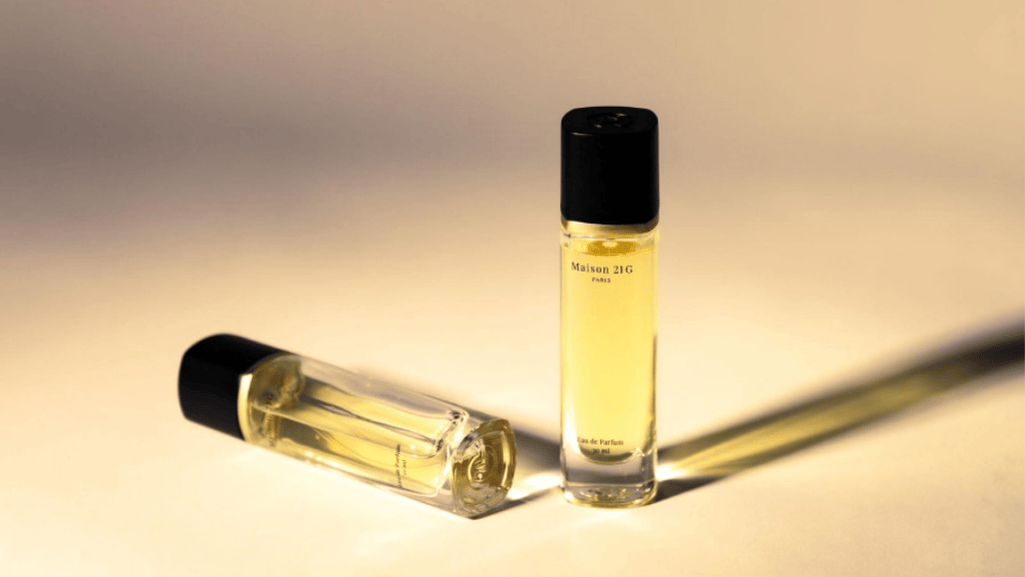 Want your favorite fragrance to linger throughout the day? Use these practical, skin‑friendly techniques to boost longevity and get the most from every spray or dab.
1. Choose a higher concentration when you need lasting power: Opting for an eau de parfum or other eau parfums with a higher concentration of perfume oils will generally give you more hours of wear than lighter formulations. That said, concentration affects longevity more than it does “quality.”
2. Prep your skin: Apply fragrance to well‑moisturized skin. A hydrated base helps fragrances bind and last longer. If you try a barrier like petroleum jelly on pulse points, do a patch test first — some people have sensitive skin. Perfume oils (which are oil‑based) can also last longer on dry skin than alcohol‑based sprays.
3. Apply strategically: Spray or dab lightly on pulse points — wrists, the inner elbow, base of the throat, and behind the ears — where body heat helps release the scent. Avoid rubbing wrists together; that can break down top notes and change the scent profile.
4. Layer matching bath & body products: Use matching shower gels, lotions, or body oils from the same fragrance line to create a scent base that reinforces the perfume. Layering is one of the gentlest ways to increase projection and longevity without overspraying.
5. Store with care at home: Keep bottles in a cool, dark place away from sunlight and heat (avoid bathrooms with frequent temperature changes). Excessive heat and light can degrade oils and alcohol content, shortening shelf life and altering the scent.
6. Handle bottles gently: Don’t shake perfumes aggressively — introducing air repeatedly can accelerate oxidation. If you need to mix, slowly roll the bottle between your palms.
7. Adjust for skin type and environment: Oily skin tends to hold scent longer; dry skin may benefit from perfume oils or heavier lotions under the fragrance. In hot weather, lighter eau toilette or less application can prevent overpowering projection; in cool weather, an eau de parfum or a dab of parfum can give better longevity.
8. Carry a travel or sample size: Keep a small bottle or rollerball in your bag for touch‑ups throughout the day to refresh the scent as needed.
By combining thoughtful choice (EDP vs EDT), good skin care, and careful storage, you can enjoy your favorite perfume from morning through evening. Try samples in-store or request travel sizes to test how a fragrance performs on your skin before committing to a full bottle — a smart move when shopping for a gift.
Conclusion
 Choosing the right perfume and using a few simple techniques will help your fragrance perform at its best. Understanding the difference between eau de toilette and eau de parfum — and other types — lets you make an informed choice based on occasion, weather, and personal preference. Pair that choice with good skin care, strategic application, and proper storage to maximize longevity and projection.
Quick Decision Guide:
– Eau de Toilette: lighter, fresh — great for daytime, the office, warm weather.
– Eau de Parfum: richer, longer‑lasting — ideal for evenings, cooler weather, or when you want a signature scent.
Practical tips: layer matching bath & body products, keep a travel size in your bag for touch‑ups, and always sample fragrances on your skin before buying a full bottle. Whether you’re shopping for yourself or choosing a gift, consider concentration, notes, and how a scent develops on your skin — that care will help you find the perfect perfume for home, work, and special occasions.
FAQ
What is the difference between toilette and parfum?
It’s mainly about fragrance concentration. Eau de toilette (toilette) is lighter — commonly around 8–12% fragrance oils — while eau de parfum (parfum) is richer, typically around 12–18%. Toilette is usually subtler and better for daytime; parfum is more concentrated and longer‑lasting.
How do eau de toilette and eau de parfum differ in scent strength?
Because of the difference in concentration, eau de toilette tends to be lighter and fresher, whereas eau de parfum delivers more depth and warmth. Expect EDTs to last roughly 3–5 hours and many EDPs closer to 5–8 hours, though results vary by formulation and skin chemistry.
What are the main fragrance types and typical concentrations?
Common types include:
– Eau de Cologne: ~2–4% (light, refreshing)
– Eau de Toilette: ~5–15% (everyday, moderate longevity)
– Eau de Parfum: ~12–18% (richer, longer‑lasting)
– Pure Parfum / Extrait: up to ~40% (very concentrated)
How can I make my perfume last longer?
Three quick tips: moisturize skin before applying, spray or dab on pulse points (wrists, neck, behind ears), and layer with matching bath & body products or lotions. Consider perfume oils if you have dry skin. Carry a travel or sample size for touch‑ups throughout the day.
What should I consider when choosing between eau de toilette and eau de parfum?
Think about occasion, climate, and personal preference: choose EDT for lighter daytime wear and EDP for evenings, cooler weather, or when you want a stronger signature scent. Always test on your skin — notes can smell different on different people.
Any shopping or gifting tips?
When you shop, ask for samples or travel sizes so you can try a fragrance on your skin over several hours. Gift sets that include bath, body, and hand care products are a safe, thoughtful option if you’re buying for someone else.



 English