
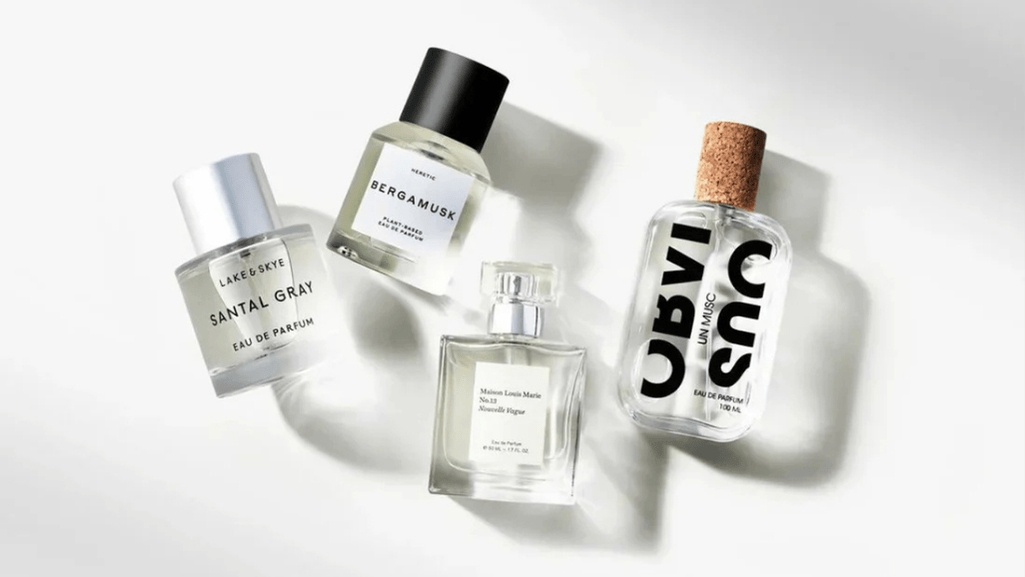

Eau de Parfum (EDP) is one of the most popular fragrance choices because it balances noticeable aroma with good longevity. Many readers ask: how long does eau de parfum last on skin? There’s no single answer — the time an EDP lasts depends on several factors, including perfume oil concentration, the type of perfume, the product format, your skin type and where you apply it, and environmental conditions like temperature and humidity. In general, perfumes with a higher perfume oil concentration tend to last longer, but whether you’ll get four hours or eight hours (or more) also depends on the fragrance’s composition and how you wear it.
Key Takeaways:
The longevity of an eau de parfum depends on multiple factors: perfume oil concentration, fragrance type, product type, skin type, climate, and area of application.
Higher concentrations of perfume oil (for example, parfum vs. eau de parfum vs. eau de toilette) normally translate to longer wear time.
Different perfume types—parfum, eau de parfum, eau de toilette, and eau de cologne—have different expected durations; typical EDP wear often ranges from several hours into the day depending on circumstances.
Factors such as oily skin, applying to pulse points, and cooler temperatures can help a scent last longer on the skin.
Proper storage (cool, dark place) and choosing the right product format for your needs (spray, oil, roll‑on) also improve staying power.
How Long Does Eau de Parfum Last
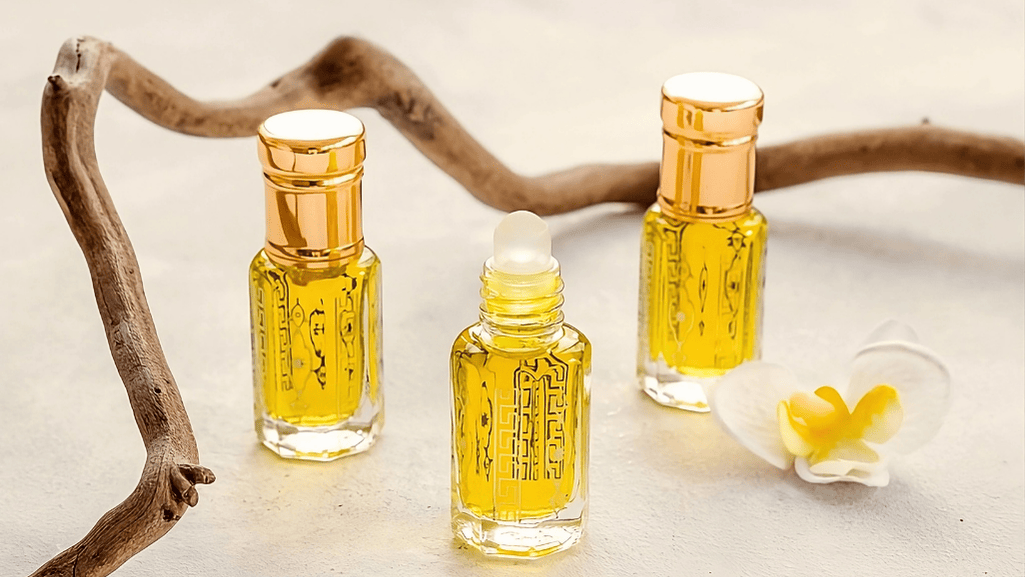 Perfume Oil ConcentrationThe concentration of perfume oil is one of the most important factors that determines a fragrance’s longevity. In simple terms, higher fragrance concentration means more aromatic oils and less solvent, so the aroma evaporates more slowly and the scent lasts longer on skin. While exact wear time varies by formula and wearer, understanding basic concentration ranges helps set realistic expectations for how long a perfume will remain noticeable.
Let’s take a closer look at the common perfume types, their typical oil concentrations, and approximate hours of wear:
Perfume Type Oil Concentration Duration (approx.)
Parfum 15–40% 6–8+ hours
Eau de Parfum (EDP) 10–20% 4–6 hours
Eau de Toilette (EDT) 5–15% 2–4 hours
Eau de Cologne (EDC) 2–4% 1–2 hours
These ranges are general industry estimates and will vary by brand, the specific fragrance oil blend, and wearer factors like skin chemistry and climate. For example, some high-quality parfums with rich base notes can easily last beyond eight hours on oily skin, while a citrus-heavy EDT may fade faster in hot weather.
Why concentration matters: higher perfume oil concentration increases the proportion of less-volatile base and middle notes versus volatile top notes, which slows overall evaporation and boosts longevity. If you want longer wear without using higher concentration, look for fragrances with heavier base notes (amber, patchouli, sandalwood) or products in oil/attar form that naturally contain more fragrance oil.
Tip: For quick comparison, think “parfum > eau de parfum > eau de toilette > eau de cologne” when considering how long a perfume will typically last. A small visual chart (concentration vs. hours) can help shoppers pick the right option at a glance.
Types of Perfumes and Their Longevity
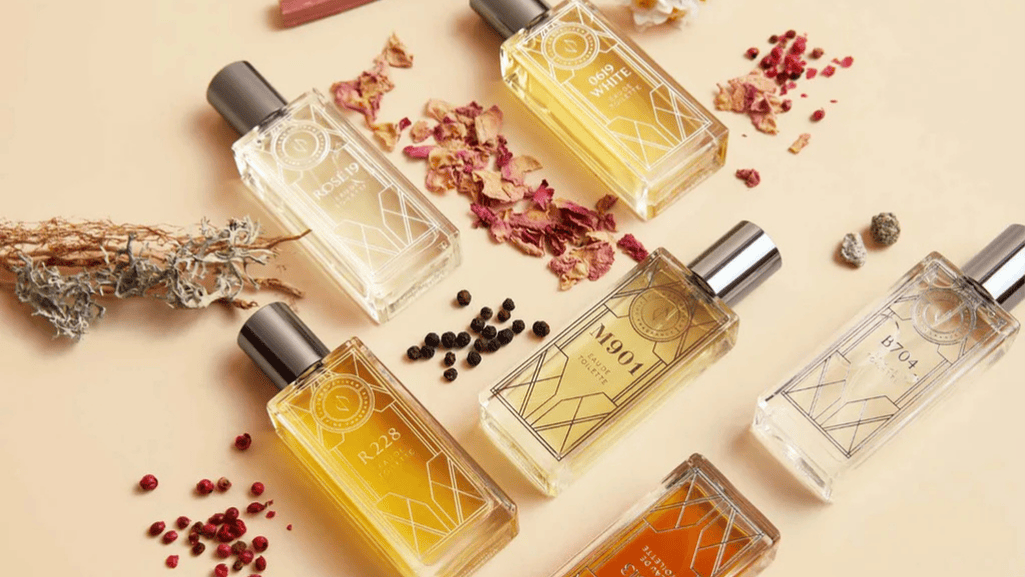 Types of Perfumes and Their LongevityThe style and composition of a fragrance are major determinants of how long its scent will linger. Different types of fragrances rely on ingredients with varying volatility, so the aroma’s lifespan depends on whether a perfume emphasizes bright top notes or heavier base notes.
Fresh, citrus, and herbal fragrances (think bergamot, lemon, neroli, and herbs) tend to be more volatile and evaporate faster, so these scents usually have shorter longevity. In contrast, oriental and woody accords — ingredients such as sandalwood, patchouli, vetiver, and amber — contain heavier molecules that evaporate more slowly and typically last longer on skin.
Fixatives & base notes: Certain ingredients act as natural fixatives, helping slow evaporation and extend staying power. Examples commonly used in modern perfumery include musk (synthetic musks are widely used today), benzoin, vanilla, labdanum, and some resins. These base notes not only deepen the aroma but also help the fragrance last long after the brighter top notes fade.
Notes glossary (quick): top notes = the initial, volatile impression; middle (heart) notes = the body of the fragrance; base notes = the long-lasting foundation that shapes the overall impression and longevity.
Ingredient quality and formulation also matter. A well-composed fragrance that balances high-quality oils and an effective use of fixatives can last longer than a poorly formulated scent with similar concentration. That said, price isn’t an absolute indicator of staying power — some affordable fragrances with smart compositions can last impressively long, while some expensive scents emphasize novelty ingredients over longevity.
Practical examples: a citrus-forward eau de cologne or light EDT will typically fade faster than an amber-woody EDP or a concentrated parfum with rich base notes. If your goal is to have a scent that lasts longer, look for fragrances advertised with strong base notes, resins, or labeled as parfum/attar/oil formulations.
Product Type
The product format you choose affects how a fragrance performs throughout the day. Different product types vary in concentration, application method, and sillage, so picking the right format can help you get the wear time and effect you want.
Spray Perfumes
Spray perfumes (atomizers) are the most common product format. They disperse a fine mist that covers a broad area, making them ideal for a quick all-over application. Sprays are convenient for daytime wear but may feel lighter in terms of staying power compared with more concentrated formats—especially if the fragrance itself is an EDT or lighter concentration.
Roll‑On Perfumes
Roll‑ons or rollerballs deliver concentrated fragrance oil directly to the skin via a small applicator. Because the oil is applied in a focused spot and often uses a higher proportion of fragrance oil versus solvent, roll‑ons typically offer better longevity than a light spray and are great for targeted application to pulse points.
Attars / Perfume Oils
Attars and perfume oils are oil-based formulations with a high concentration of fragrance oil and minimal or no alcohol. These products usually last the longest because the oil base reduces evaporation. Use sparingly on pulse points; these are ideal when you want a concentrated scent that lasts several hours or more.
Solid Perfumes
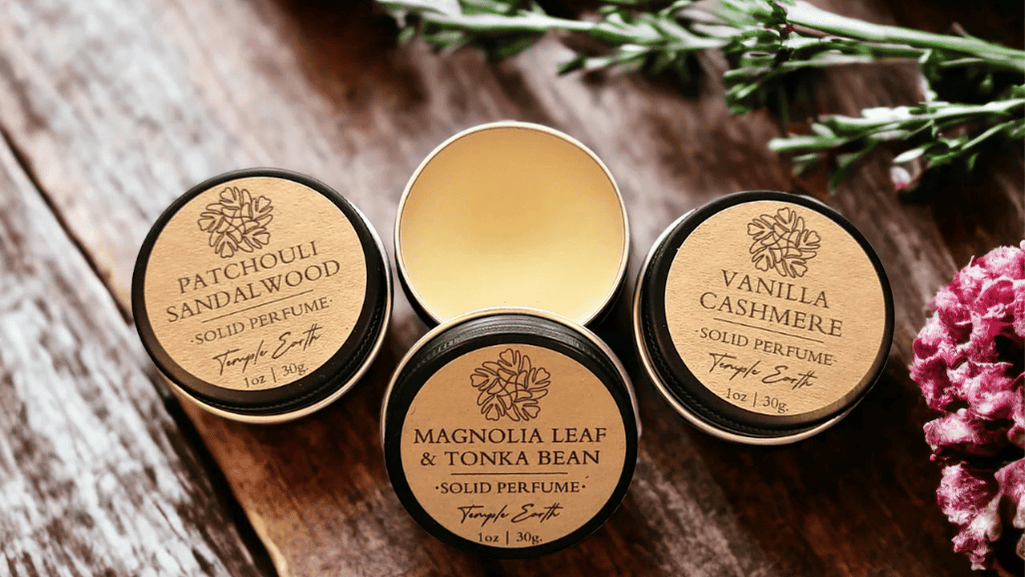 Solid perfumes are wax- or balm-based and portable for touch-ups. Their texture slows fragrance release, giving good longevity even if sillage is softer than a spray. Solid perfumes are a discreet option for carrying a favorite scent and layering with a spray or lotion.
Perfumed Lotions
Perfume lotions combine moisturizers with fragrance oils. Because hydrated skin holds scent better, layering an unscented or lightly scented lotion before applying an eau parfum or spray can increase overall staying power. Lotions by themselves provide a subtle, long-lasting base scent but usually don’t project as strongly as sprays or oils.
Body Mists & Perfume Sprays
Body mists and sprays are designed for lighter, frequent application all over the body. They’re great for refreshing a scent throughout the day but generally require reapplication to maintain intensity—perfect for casual daytime wear or post-shower use.
Hair Perfumes
 Hair perfumes are formulated to be gentle on hair (often with lower alcohol content) and add a subtle scent that moves with your hair. Because hair fibers can hold fragrance, these products create a pleasing aura, though the scent profile may be lighter and may dissipate faster than concentrated oils.
Practical tips to maximize staying power by product type:
• For sprays: apply to pulse points and to clothes cautiously (some fragrances can stain); layer over a matching lotion for longer wear.
• For roll‑ons and oils: use sparingly on moisturized skin—these products often contain more fragrance oils and will last longer.
• For solids: warm the balm on your finger and dab onto pulse points; layer with a spray for projection.
• For body mists: keep a travel bottle for midday refreshes throughout the day.
When to choose each format: choose attars or perfume oils for long evening wear, roll‑ons for targeted long-lasting application, sprays and body mists for daytime and portability, and hair perfumes to add motion and a subtle aura. Consider the fragrance concentration and composition as well as the product format to match your needs for hours of wear, sillage, and impression.
Skin Type & Area
Skin Type & Area
Your skin and where you apply a fragrance play a major role in how long a scent will wear. Skin types—oily, dry, or textured—interact differently with fragrance oils, and the body area you choose for application (pulse points versus clothing) changes projection and staying power.
Oily vs. dry skin: oily skin naturally retains fragrance oil better, so scents often last longer and project more on oilier skin. Dry skin tends to let volatile top notes evaporate faster, producing shorter wear; if you have dry skin, layer an unscented or matching lotion first or use an oil/attar for improved longevity.
Textured or moisturized skin: slightly textured or well‑moisturized skin can “trap” fragrance molecules and help a scent last longer, whereas very dry, flaky skin may cause quicker fading. Regular exfoliation followed by moisturizer can create a more even base for perfume application.
Where to apply: pulse points are warmer and help diffuse scent—common spots are the wrists, neck, behind the ears, inner elbows, and the chest. Spritzing lightly onto hair or clothing can extend the perception of a fragrance throughout the day, but be cautious: some perfumes may stain fabrics or affect delicate hair if they contain alcohol.
Quick tips to make EDP last longer on your skin:
• Apply to moisturized skin or layer over an unscented body lotion.
• Target pulse points rather than rubbing wrists together (rubbing breaks down the oils and reduces longevity).
• For extra staying power, use a matching scented lotion or a small amount of perfume oil under your spray.
• In hot weather, scents can evaporate faster—store perfumes in a cool, dark place and favor formulations with stronger base notes if you need longer wear in warm temperatures.
Conclusion
How long does eau de parfum last? In short, a typical EDP will often last between about 4–8 hours on skin, but that range depends on concentration, fragrance composition, product format, skin type, and environmental conditions. Concentration (parfum vs. EDP vs. EDT), heavier base notes, and oil-based products usually increase longevity and help a scent last long into the day.
Quick tips to boost longevity:
• Apply to moisturized skin and target pulse points.
• Layer matching products (lotion or oil + spray) to extend wear.
• Store perfumes in a cool, dark place to preserve fragrance quality and impression.
EDP remains a great choice when you want a balance of projection and staying power—test a product on your skin and note how many hours it lasts in your climate to find the best perfume for your needs.


 English