
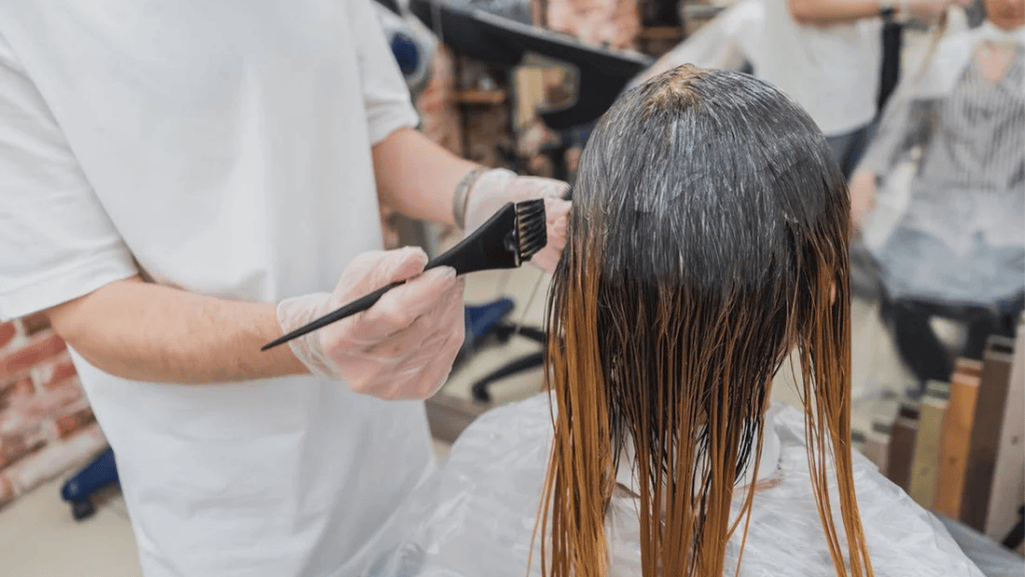

Chemical treatments like coloring, perming, and straightening can transform your look, but they also leave hair more prone to dryness and breakage.
This short guide defines practical aftercare and sets clear expectations for readers in the United States. You will learn why Post-Chemical Treatment Haircare alter the hair shaft and how a simple routine can protect strands.
What you’ll get: step-by-step actions for the first wash, the initial weeks, and long-term maintenance. The focus is on gentle cleansing, moisture support, and styling choices that cut down on frizz and dullness.
Why it matters: smart care can extend color life, reduce split ends, and keep hair soft and strong. Notice early warning signs—small fixes now prevent serious damage later.
Key Takeaways
- Post-chemical aftercare protects the hair shaft and reduces breakage.
- Follow a clear routine for the first wash and weeks after a service.
- Choose gentle cleansers and moisture-rich products to support healthy hair.
- Smart styling and heat limits help maintain color and smooth texture.
- Address early signs of damage quickly to avoid advanced problems.
What Chemical Treatments Do to Hair Structure and Hair Health
Chemical services reshape hair at a molecular level, and that change explains many common after-effects. Salon coloring, perming, and straightening do more than alter looks — they break and reform internal bonds that control strength and shape.
How bonding changes weaken the hair shaft
Coloring often uses ammonia and peroxide to lift the cuticle and deposit pigment. That opens the outer layer and can weaken protein links inside the hair shaft, leaving strands less resilient.
Why moisture and porosity shift after processing
Perming and straightening work by breaking disulfide bonds and resetting them. The process changes structure and increases porosity, so treated hair loses moisture faster and feels drier.
Common signs to check at home
Look for these red flags:
- Breakage during detangling or brushing.
- Split ends that appear quickly along ends.
- Persistent frizz and rough texture.
- Uneven color fading after a few washes.
“Stopping chemical action quickly and restoring pH and moisture reduces further damage.”
Next: immediate steps to neutralize processing and lock in moisture to protect hair health.
Immediate Aftercare After Chemical Treatments
Start post-service care immediately to halt chemical activity and protect freshly processed strands. Within the first 72 hours, focus on neutralizing agents that stop ongoing reactions and restore pH. Restored pH helps the cuticle close and reduces moisture loss and further damage.
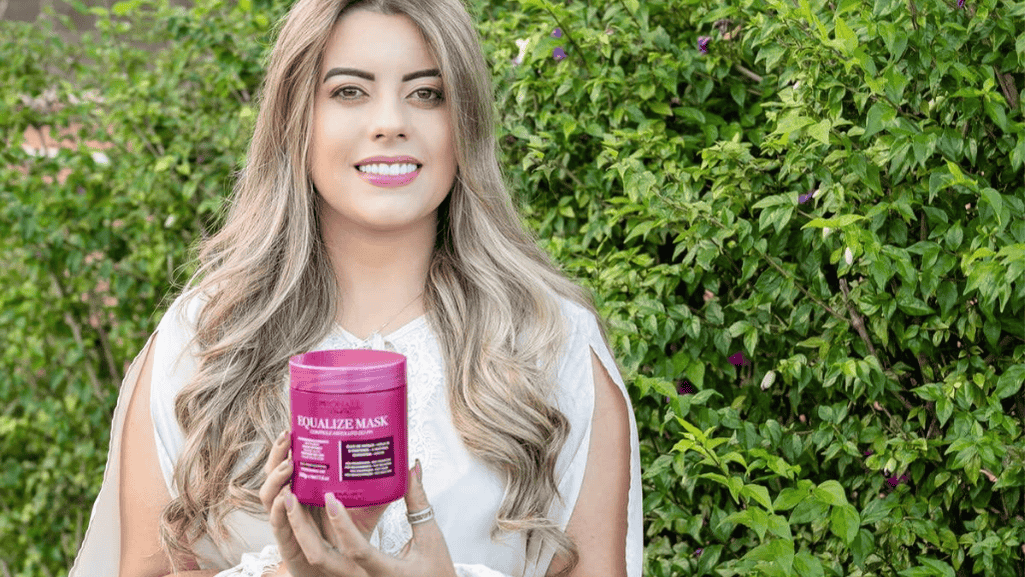
Salon-to-home checklist for the first 72 hours
- Use a salon-provided neutralizer or a pH-balanced rinse as directed to stop chemical action.
- Wait at least 48–72 hours before washing after coloring, perming, or relaxing to let bonds settle.
- Plan the first wash to include deep conditioning to restore moisture quickly to mid-lengths and ends.
Gentle handling to reduce breakage
Detangle only when damp and conditioned. Start at the ends, work upward with a wide-tooth comb to cut breakage risk.
For drying, gently blot with a microfiber towel and favor air drying. Minimize heat styling to protect hydration and extend color and texture longevity.
“Neutralize, deepen conditioning, and handle gently in the first 72 hours for best outcomes.”
Post-Chemical Treatment Haircare Routine for the First Few Weeks
Set a clear, gentle routine for the first few weeks to protect color, restore strength, and keep strands hydrated after salon work. Keep steps simple and repeatable so you can follow them during busy days.
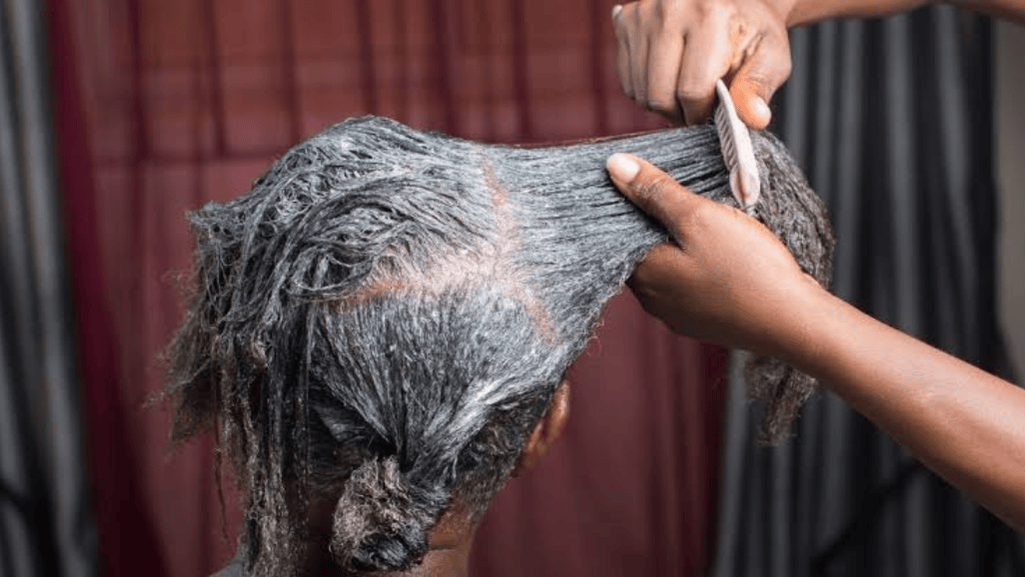
Building a wash schedule that protects moisture
Limit washing to about 2–3 times per week to avoid stripping oils and fading color. On non-wash days, refresh with a light leave-in or water mist and finger-comb to reduce friction and breakage.
Alternating moisture and protein
Rotate a moisture-focused conditioner one wash, then a protein-based product the next. This alternating pattern helps rebuild strength while keeping flexibility in chemically treated hair.
Weekly deep conditioning mask strategy
Use a deep-conditioning mask once a week. Apply to mid-lengths and ends, leave on 10–20 minutes, then rinse. Focus the mask where hair feels driest.
Targeted ends care
Apply a lightweight leave-in and seal ends with a small amount of oil or cream to reduce split ends and mid-shaft breakage. Schedule trims every 6–8 weeks to stop damage from traveling up the strand.
Adjust by type and texture
Color-treated hair benefits from extra moisture and UV protection. Relaxed or straightened hair may need slightly more protein for strength. If texture shifts—more frizz or stretch—change protein frequency and detangling methods accordingly.
“Balance moisture and protein in the first weeks to protect results and reduce long-term damage.”
Choose the Right Products for Chemically Treated Hair
When hair is processed, selecting gentle cleansers and rich conditioners helps prevent dryness and breakage. Pick shampoos that are sulfate-free and pH-balanced to protect color and preserve natural oils.
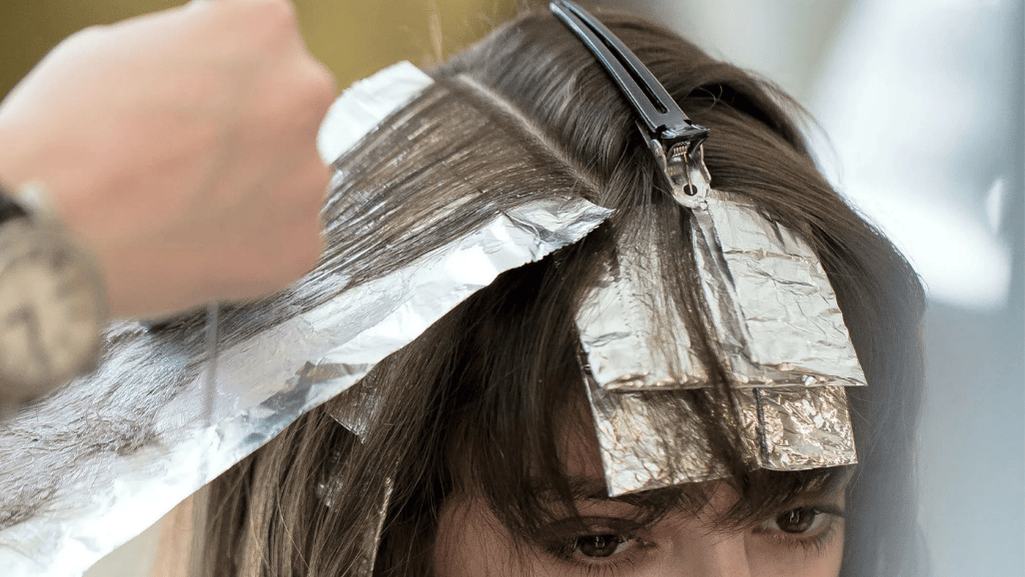
Sulfate-free means the shampoo cleans without stripping. That keeps hydration and reduces that tight, rough feeling common with chemically treated hair.
Look for these ingredient winners: keratin or silk proteins to reinforce structure, humectants like glycerin to attract moisture, and natural oils such as argan, jojoba, or coconut to smooth and tame frizz.
Use coconut oil and other oils sparingly. Apply a pea-sized amount to damp mid-lengths and ends. Too much oil builds up, so avoid heavy application at the roots.
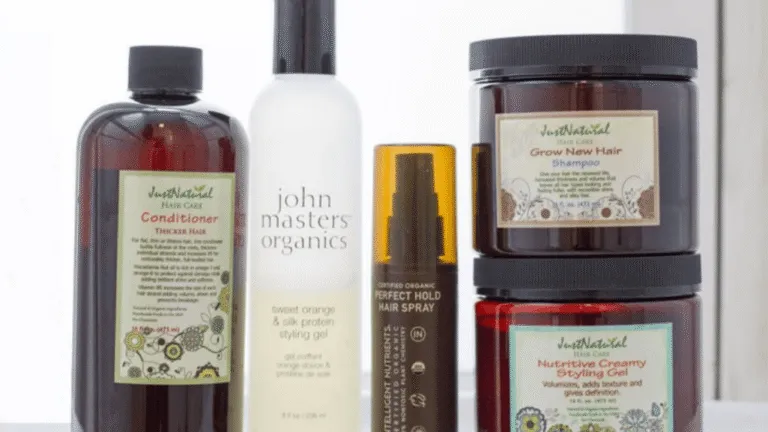
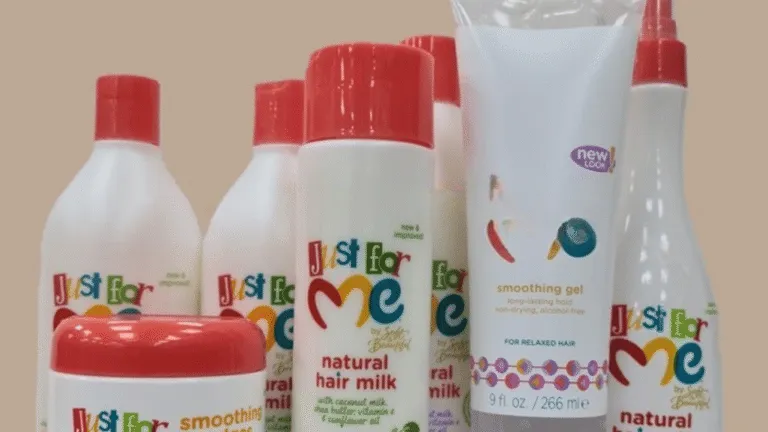
- Aim for a simple lineup: a mild shampoo, a slip-rich conditioner, a leave-in, and a weekly mask.
- Avoid harsh sulfates, drying alcohols, and heavy silicones that can mask damage and cause buildup.
- Stick with consistent products for several weeks to gauge what restores moisture and reduces breakage.
“Gentle, balanced products plus measured use of oils deliver the best results for treated hair.”
Heat Styling and Tools Without Adding More Damage
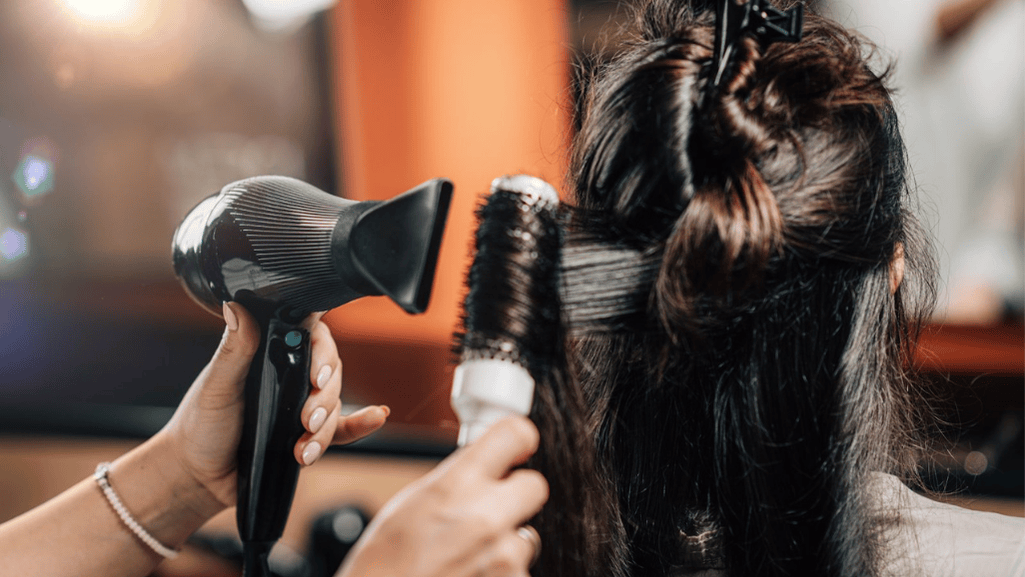
Smart styling choices let you keep a polished look without adding extra stress from high temperatures. Heat can act as a true damage multiplier on chemically processed hair, increasing moisture loss and weakening bonds. Reduce heat styling frequency to preserve strength and shine.
Heat protectant basics and application
Use a heat protectant every time before any hot tool. A proper protectant forms a thin barrier that reduces direct thermal impact and helps lock in moisture.
Apply from mid-shaft to ends first, then lightly mist or spread toward the roots for full coverage. Comb through to distribute the product evenly before styling.
Lower-temperature techniques
Set tools to the lowest effective temperature and limit passes. One slower, controlled glide beats multiple quick passes.
Choose larger barrels or slower airflow settings to shape hair with less direct heat contact. This approach cuts cumulative thermal damage and reduces breakage.
Air drying and microfiber methods
Blot with a microfiber towel instead of rubbing. Gently detangle with fingers or a wide-tooth comb while damp to avoid friction-related breakage.
Favor air-dry styles when hair feels dry or brittle. If you must use tools, pair air-drying with a protectant and lower settings until moisture balance improves.
“When in doubt, skip the heat and choose methods that protect moisture and strength.”
Scalp Care and Maintenance to Support Healthy Hair Growth
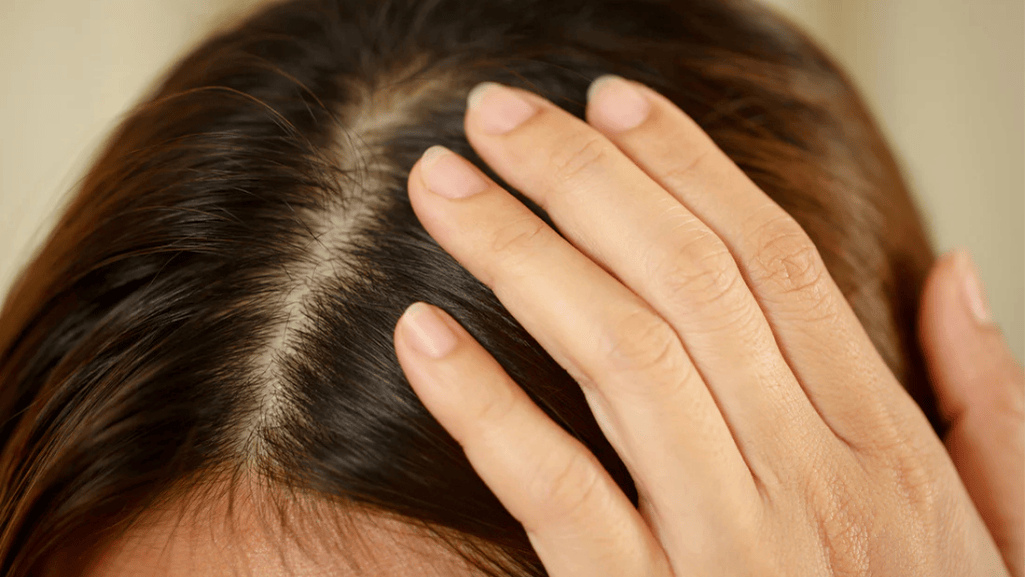
A calm, balanced scalp sets the stage for stronger, healthier hair after any salon service. Addressing irritation and dryness quickly protects comfort and the local environment where new growth emerges.
Soothing an irritated or dry scalp
Choose gentle, barrier-respecting formulas. Look for aloe vera or chamomile to soothe redness and reduce itch. Use tea tree oil sparingly and only if you know you tolerate it, since it can sting sensitive skin.
Scalp-friendly cleansing and conditioning habits
Avoid harsh scrubbing and rinse with lukewarm water to protect natural oils. Pick a sulfate-free cleanser that gently cleans without over-stripping.
When conditioning, keep rich products on mid-lengths and ends. Use lighter hydration near the scalp to prevent buildup while still supporting strands treated by hair chemical services.
Simple scalp massage to support circulation
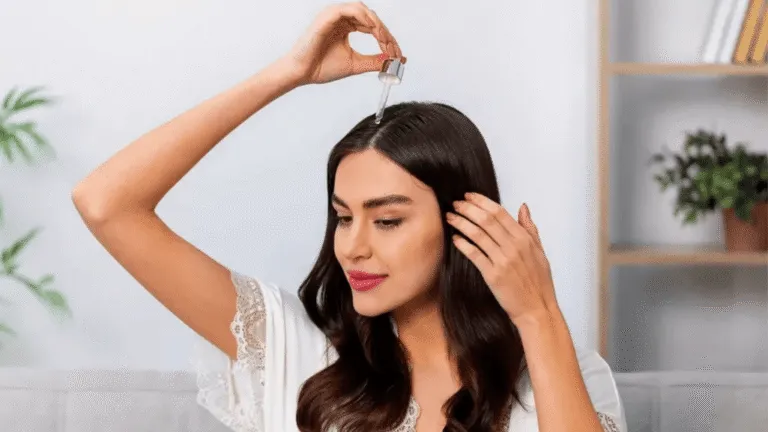
Use fingertips, apply light pressure, and massage in small circles for 1–3 minutes, three times weekly. This routine boosts circulation to hair follicles without overstimulating a sensitive scalp.
“Treat the scalp gently; a healthy scalp helps reduce damage and encourages stronger hair growth.”
When to see a pro: seek a licensed stylist or dermatologist if burning, heavy flaking, or unusual shedding continues after a salon visit.
Conclusion
A short, focused plan keeps processed hair strong, shiny, and manageable.
Protect strands after treatments by combining gentle cleansing, steady moisture, strategic protein, and low-heat styling. Prioritize deep conditioning, careful detangling, and reduced heat to stop split ends and limit breakage.
Choose supportive products: use sulfate-free shampoos and hydrating conditioners, and match a weekly mask or protein session to what your hair needs. If you want a quick read on before and after care, see this importance of treating your hair.
Watch for dryness, fading color, or frizz as signals to adjust—not to add harsher steps. Track feel, elasticity, shine, and shedding each week and seek pro help if damage persists. For more on routine options, explore chemically treated hair care.
FAQ
What immediate steps should I take right after coloring, perming, or straightening?
How do chemical processes change hair structure and why does hair feel weaker?
How often should I wash hair after a chemical service?
Should I use protein treatments or moisturizing masks first?
How can I treat split ends and prevent mid-shaft breakage on chemically processed hair?
Which ingredients should I look for in products for chemically altered hair?
Are natural oils like coconut safe for treated hair, and how do I use them?
What ingredients should I avoid on dry, chemically processed hair?
How can I use heat tools without adding damage to treated hair?
Is air drying better than blow-drying for chemically processed hair?
How should I care for my scalp after chemical processing?
How soon can I color or chemically re-treat hair after a service?
How do I adjust my routine by treatment type and hair texture?
Can regular trims replace deep conditioning or protein treatments?
What at-home practices reduce color fading and extend treated hair health?



 English