
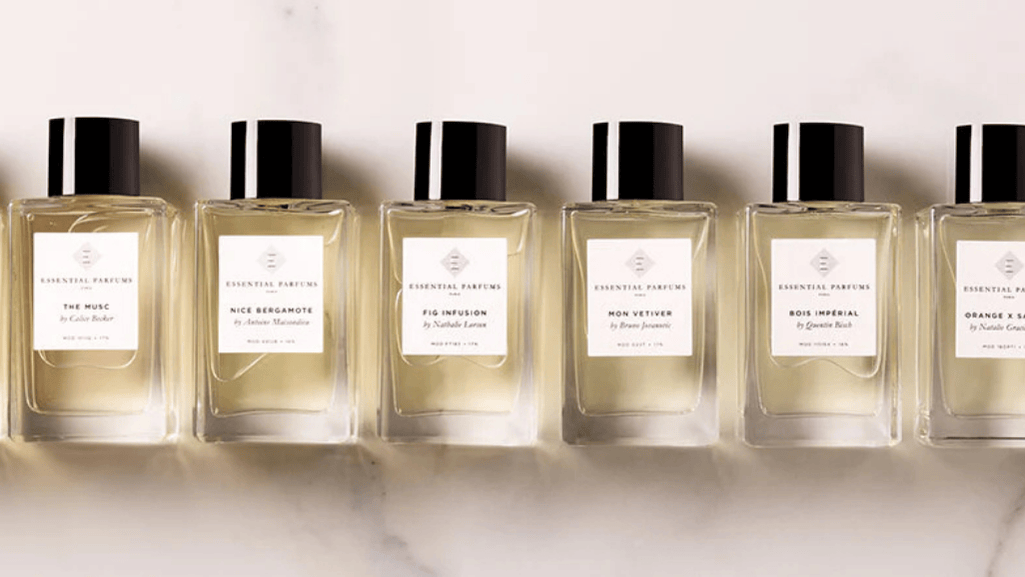

Parfums: What They Are and Why They Matter
Parfums are carefully composed fragrances made by blending concentrated aromatic oils and essences. Tracing their roots to ancient cultures such as Egypt and Mesopotamia—where scented oils were used in rituals—modern parfums are crafted by expert perfumers, or “noses,” to evoke memory and mood. Think warm amber, fresh bergamot, or a soft rose accord that unfolds over hours.
Continue reading to learn how parfums differ from other perfume types and how to choose the right scent for your style and season—view our guide below.
Key Takeaways:
• Parfums are concentrated fragrances created through a careful blending process, offering longer-lasting wear than many perfumes.
• Expert perfumers, or “noses,” compose parfums to evoke emotion and make a memorable impression.
• Parfums express history, artistry, and personal style while delivering a layered scent experience.
• Learning about parfums helps you choose the right scent for the season and your occasions.
What is Parfums
Explore our selection to view how different fragrances and perfume formats perform on skin.
Parfums vs Perfumes: Understanding the Difference
The terms “parfums” and “perfumes” are often used interchangeably, but they differ mainly in concentration and longevity. Parfums generally contain a higher percentage of fragrance oils, which makes them more long‑lasting and intense than many other perfume formats. Both fall under the broader category of fragrances, but the composition determines strength, projection, and wear time.
Parfums, often labeled parfum extrait, are the most concentrated form of fragrance with the highest percentage of aromatic compounds. Because of that concentration, a small amount of parfum goes a long way—ideal for evening events or special occasions when a strong, distinctive scent is desired.
Eau de Parfum (EDP) contains a lower concentration than parfum extrait but remains long‑wearing; it is a popular, balanced choice for daily use when you want good longevity and moderate projection.
Eau de Toilette (EDT) and lighter formats have lower oil concentrations and a more subtle, shorter‑lived scent profile; they’re often chosen for daytime wear, warm seasons, or when a lighter touch is preferred.
Types of Parfums:
Parfum Extrait: Highest concentration (commonly around 15–40% aromatic compounds)—longest lasting; suited to special occasions.
Eau de Parfum (EDP): Mid concentration (roughly 8–20%)—good for everyday wear with solid longevity and projection.
Eau de Toilette (EDT): Lighter concentration (about 4–8%)—more subtle and often more affordable for regular use.
When choosing between parfums and perfumes, consider occasion, personal taste, and desired intensity. For example, pick parfum extrait for a formal evening, EDP for day‑to‑night wear, and EDT for hot weather or casual settings.
A parfum guide can help you compare concentrations, test scents on skin, and select from a curated collection—explore our selection and view limited‑edition offerings or seasonal sale items to find the best match for your style.
Category Parfums Perfumes
 Concentration of Fragrance Oils High Varies
Longevity Long-lasting Varies
Intensity Intense Varies
Suitable for Special occasions, desired strong scent Everyday wear, varying intensity preferences
The Composition of Parfums: Ingredients and Artistry
The Composition of Parfums: Ingredients and Artistry
The Composition of Parfums Ingredients and Artistry
Perfumers layer parfums from a palette of natural extracts, synthetic aroma molecules, and concentrated essential oils to create balanced, evolving scents. This mix of materials—chosen for stability, scent profile, and sustainability—lets the creator shape an impression that changes over time and suits different collections or limited editions.
Traditional parfums are built in three main stages: top, middle (heart), and base notes. Top notes give the immediate impression—often bright and fleeting; middle notes form the character of the fragrance; and base notes provide depth and lasting warmth. Together they create a multi-dimensional perfume that unfolds over hours.
Example: a bergamot top, jasmine heart, and sandalwood base—first fresh citrus, then a floral bouquet, settling into a wooded warmth that lingers as the signature scent.
Common ingredient families used in parfums:
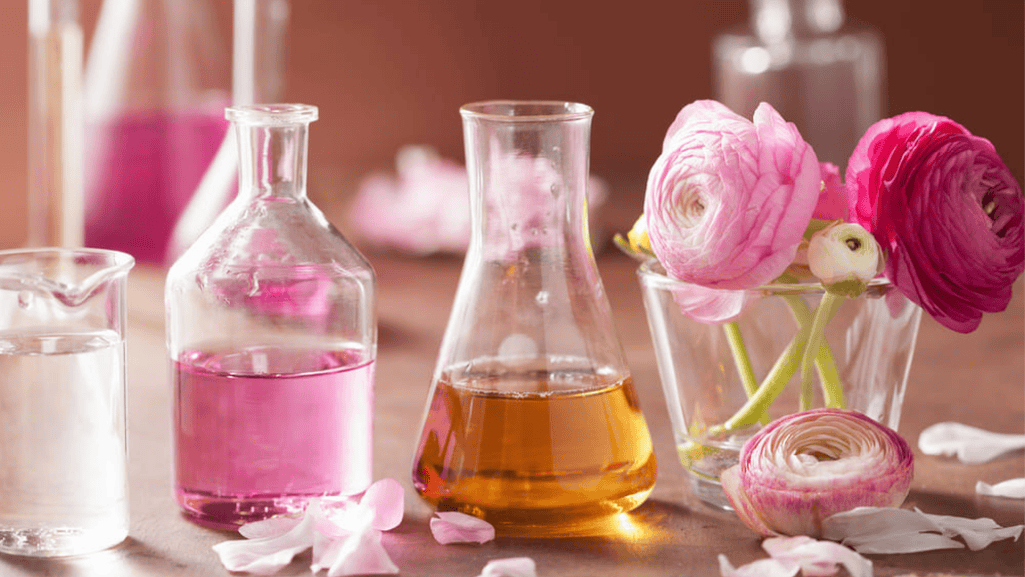 Floral Notes: Jasmine, rose, lily, and lavender bring elegance and romance—rose in particular is a cornerstone in many classic and modern fragrances.
Fruity Notes: Citrus elements like bergamot, lemon, and grapefruit add sparkle; berries or apple notes add sweetness and playfulness.
Woody Notes: Sandalwood, cedar, and patchouli give depth, earthiness, and longevity—often the anchor of a parfum’s base.
Spicy Notes: Cinnamon, clove, and cardamom introduce warmth and intrigue, commonly used in oriental or gourmand accords.
Ingredients today include responsibly sourced naturals and advanced synthetics that mimic rare materials while improving sustainability and reducing allergen risk. Perfumers balance aroma, regulatory guidance (e.g., IFRA recommendations), and consumer preference when composing a perfume for a seasonal collection or a special edition release.
Whether you’re sampling individual scents or browsing a curated selection, notice how top, heart, and base notes transition on your skin—this helps you find a parfum that matches your taste and occasions, and can guide choices during a sale or when hunting limited‑edition bottles for your collection.
The Enchanting World of Parfums: Fragrance Families and Notes
The Enchanting World of Parfums Fragrance Families and Notes
Parfums open a broad landscape of scent profiles—understanding fragrance families and notes helps you find perfumes that suit your taste, season, and occasions.
Fragrance Families
Fragrance families group parfums by their dominant olfactory character. Choose a family based on the mood or context you want to create:
Floral: Soft, romantic, and versatile—ideal when you want an elegant everyday perfume; common hearts include rose and jasmine.
Oriental: Warm, exotic, and sensual—great for evening wear or cooler seasons, often featuring vanilla, amber, and spices.
Citrus: Bright, uplifting, and fresh—perfect for daytime and warm weather, built around lemon, bergamot, and grapefruit.
Woody: Earthy and refined—suitable for a sophisticated or cozy vibe, with notes like sandalwood, cedar, and patchouli.
Fresh: Clean and airy—think mint, aquatic, and green-leaf accords for a crisp seasonal pick.
Fragrance Notes
Fragrance Family Example Notes
Floral Rose, Jasmine, Lily
Oriental Vanilla, Amber, Spices
Citrus Lemon, Bergamot, Grapefruit
Woody Sandalwood, Cedar, Patchouli
Fresh Mint, Aquatic, Green leaves
How to choose: If you like light, clean scents for daytime, explore citrus and fresh families; if you prefer warm, long‑lasting signatures, look into oriental or woody parfums. Floral families—especially rose-led compositions—are a safe, timeless choice and often appear in limited‑edition releases or curated collections.
Shopping tip: When browsing a selection or seasonal sale, sample fragrances on skin (not paper) and let notes evolve for at least 20–30 minutes before deciding—this helps you identify the perfume’s true character and whether it fits your personal collection.
Conclusion
 Parfums are more than scents — they’re crafted sensory statements rooted in history and shaped by artistic skill. Understanding how parfums are composed and how they differ from other perfume formats helps you select fragrances that reflect your personal style and the occasions you wear them for.
Use what you’ve learned about concentration, notes, and fragrance families to make confident choices: choose a parfum extrait for a memorable evening, an EDP for reliable day‑to‑night performance, or an EDT for light, seasonal wear. A simple test tip: apply once to warm skin (wrists or inner elbow) and wait 20–30 minutes to judge the true dry‑down.
Explore our curated collection and seasonal selection—view limited‑edition and holiday offerings, and keep an eye on sale events to add a rose‑led classic or a new favorite to your lineup.
FAQ
What is the difference between parfums and perfumes?
Parfums generally have a higher concentration of fragrance oils than many perfumes, giving them stronger projection and longer longevity; exact concentrations vary by formulation.
What are the different types of parfums?
Common types include parfum extrait (highest concentration), eau de parfum (EDP), and eau de toilette (EDT); each offers different strength and wear time.
What ingredients are used in parfums?
Compositions mix natural extracts, essential oils, and synthetics chosen for scent, stability, and sustainability.
How are parfums composed?
Perfumers layer top, heart, and base notes so the scent evolves from fresh openings to a lasting base.
What are fragrance families in parfums?
Fragrance families—floral, oriental, citrus, woody, fresh—describe dominant scent characters and help guide selection for season and occasion.








 English