

This guide maps a practical eating plan and simple daily habits that support faster growth and firmer nail structure. Nails are living tissue; what you eat affects how Diet for Stronger, Healthier Nails cells form and how resilient tips become.
We’ll preview the most impactful vitamins, minerals, macronutrients, and grocery-friendly foods that feed the nail bed and improve visible strength. A food-first approach sets the baseline, while evidence-based supplementation has a limited but specific role.
Expect clear, science-rooted steps to build plates that support structure, pairings that boost absorption, and small care habits to reinforce results. This listicle focuses on realistic choices you can start today to see steady, long-term change.
Key Takeaways
- Food-first strategies supply the vitamins and nutrients nails need to grow strong.
- Protein, iron, zinc, and biotin play key roles in nail formation and durability.
- Simple, grocery-store foods can improve nail health without costly supplements.
- Pairing foods boosts nutrient absorption and supports visible results.
- Consistent nutrition, hydration, and gentle care compound into stronger nails over time.
Why Your Nails Reflect Your Diet and Overall Health
Nails can act like a health report card, showing how well your body supplies building blocks. The matrix beneath the cuticle makes new nail cells. Those cells harden into the nail plate as keratin forms.
The matrix needs steady protein, vitamins minerals, and minerals to build strong tissue. If circulation or nutrient supply lags, nail thickness and smoothness change.
What to watch for
- Vertical ridges or concave, “spooned” tips — often tied to low iron.
- Blue or dark streaks, and brownish tones — may signal low vitamin b12 or folate.
- Brittle nails and rigidity — can follow folate or protein shortfalls; magnesium supports protein synthesis and may affect ridge formation.
Skin and cuticles protect the matrix. Gentle care preserves that barrier and helps new nail growth. Not all changes are nutritional, but many improve when the body gets consistent nutrients.
Diet for Healthy Nails: The Essential Nutrients to Prioritize
Targeted nutrients act behind the scenes to support keratin production and steady nail growth. Below are the vitamins and minerals that most directly affect the nail plate and new nail formation.

Biotin (Vitamin B7)
Role: Biotin helps amino acid metabolism and supports keratin-building pathways in the nail matrix.
Guidance: Adult AI is ~30 mcg/day. Biotin-rich foods include egg yolks, dairy, salmon, nuts, seeds, sweet potato, and cauliflower.
Evidence: Small studies showed 2.5 mg/day biotin may help brittle nails; supplements should be individualized.
Vitamin B12 & Folate
These vitamins support red blood cell formation and normal pigment. Targets: 2.4 mcg/day B12 and 400 mcg/day folate.
Top sources: animal proteins, leafy greens, beans, and citrus fruits.
- Iron: Delivers oxygen to the nail matrix. Aim for at least 8 mg/day for most adults; heme iron from meat absorbs best. Pair plant iron with vitamin C to boost uptake.
- Magnesium: Needed for protein synthesis. Find it in whole grains, dark greens, almonds, cashews, peanuts, edamame, black beans, and seeds.
- Protein: RDA ~0.8 g/kg; AMDR 10–35% of calories. Adequate protein supports keratin structure and reduces breakage.
- Vitamin C: Essential for collagen scaffolding. Choose bell peppers, leafy greens, tomatoes, strawberries, and citrus.
- Zinc: Supports rapid cell growth and division. Sources include beef, poultry, fish, eggs, soy, chickpeas, beans, nuts, and seeds.
Practical tip: Favor a food-first approach; supplements may help when labs show gaps. Try pairing beans + bell peppers, oats + strawberries, or leafy greens + citrus to improve absorption and steady growth.
Best Foods for Strong, Healthy Nail Growth
A plate stacked with lean protein, colorful produce, and omega-rich snacks gives nails the materials they need to thicken and resist breakage.
Lean meats and fish: Choose chicken, lean beef, or pork to supply high-quality protein and iron that support keratin formation. Add organ meats like liver occasionally for concentrated iron and biotin. Include salmon or tuna for omega-3 oils, zinc, and selenium that help nail structure and surrounding skin.

Fruits and berries
Strawberries, blueberries, citrus, and papaya offer vitamin C and antioxidants. These vitamins support collagen and protect cells from oxidative stress that can weaken nail plates.
Nuts and seeds
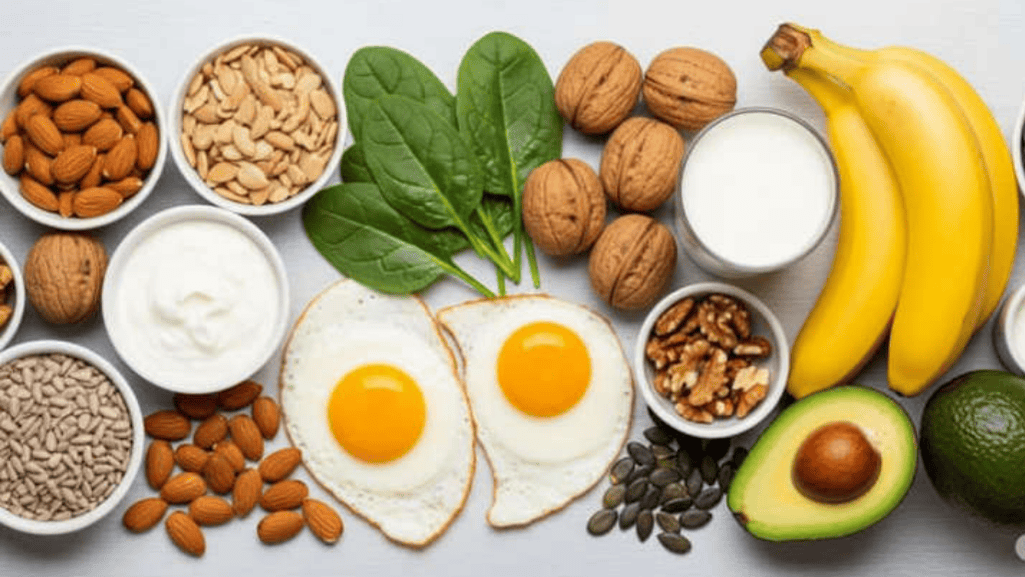
Almonds, Brazil nuts, chia, and sunflower seeds bring vitamin E, zinc, selenium, calcium, and extra protein. A small handful daily adds trace minerals that back nail growth and shine.
Green leafy vegetables
Spinach, collards, and broccoli deliver plant iron, folate, magnesium, and vitamin C. Pairing leafy greens with citrus or bell peppers boosts iron absorption and nutrient delivery to the nail matrix.
Dairy, eggs, and other vegetables
Eggs and dairy supply calcium, vitamin D, protein, and biotin—key to reducing breakage. Round out plates with cucumbers, mushrooms, sweet potatoes, and cauliflower for added biotin and supportive micronutrients.
- Meal pairing tip: Toss spinach and beans with citrus segments, or serve tuna with bell peppers to combine protein and vitamin C for better iron uptake.
- Cooking note: Bake, grill, or steam to preserve vitamins and healthy oils that help nail appearance.
- Rotation: Cycle proteins and produce weekly to cover a broad range of rich vitamins and minerals.
For a concise guide to top options and meal ideas, see this short list of best foods to eat.
Smart Eating Patterns to Help Strengthen Nails
A practical plate that spaces protein and plants across the day helps support steady nail growth.

Sample daily plate
One-quarter high-quality protein (chicken, tuna, eggs), one-quarter whole grains, and half a plate of colorful vegetables with a green leafy serving like spinach. Add a side of dairy or a fortified alternative to boost B12 and calcium.
Pairings that boost absorption
Combine plant iron with vitamin C to improve uptake. Try a spinach and bean salad with orange segments or bell peppers. Animal iron sources are more bioavailable—serve them with vitamin C-rich sides to maximize benefit.
Hydration and daily habits
Drink water consistently through the day and include electrolyte-rich drinks when active. Hydration helps the nail bed and cuticles stay supple and reduces splitting.
- Breakfast ideas: Greek yogurt with berries and chia seeds, or eggs with sautéed spinach and tomatoes.
- Lunch/dinner pairings: salmon with broccoli and sweet potato, or a bean-spinach salad with citrus.
- Snacks to help strengthen: almonds with an orange, or hummus with bell pepper strips and sunflower seeds.
- Convenience tips: batch-cook proteins, pre-wash greens, and make mixed-seed jars for easy topping.
Quick checklist: protein at each meal, a green leafy serving, a vitamin C source, and nuts or seeds on top. These small habits help keep nails resilient and support steady growth.
At‑Home Nail Care That Complements Your Diet
A few consistent habits at home make it easier for new nail growth to stay strong and smooth. Small steps reduce surface stress and help nutrients show results faster.

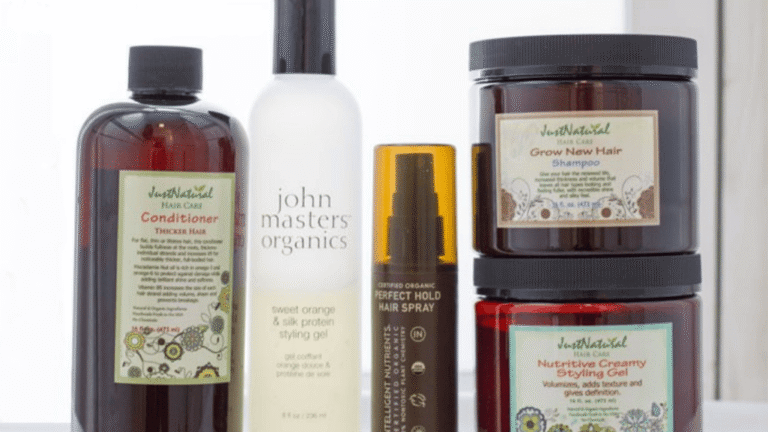
Choose gentle, organic-leaning products and avoid harsh chemicals
Pick minimal-ingredient products and favor labels that say “acetone-free” and “formaldehyde-free.” Avoid harsh chemicals that dry the skin and weaken the nail plate.
Cuticle and nail moisture: coconut, jojoba, and vitamin E oils
Daily moisturizing keeps the cuticle soft and the nail edge flexible. Massage a small amount of coconut oil, jojoba oil, or vitamin E oil into nails and cuticles each night.
“A bedside drop of oil is one of the easiest habits to keep nails hydrated and reduce splitting.”
Limit water exposure and protect hands with gloves
Long soaks and repeated wet-dry cycles swell and shrink the nail. Wear gloves for dishes and cleaning to avoid weakening the surface.
Trimming, filing in one direction, and letting nails “breathe”
- Trim regularly and file gently in one direction to minimize splitting.
- Give nails breaks from polish and extensions so the new nail can harden naturally.
- Light, infrequent buffing smooths minor ridges but avoid over-thinning.
At-home care supports a nutrient-rich plan by cutting external wear. With routine oiling and careful product choices, you help keep nails resilient while new nail growth strengthens from within.
Supplements and Nail Health: What May Help and What to Skip
Consider supplements as targeted tools, not broad solutions, when working to improve nail strength. Most vitamins and minerals are best absorbed from whole foods, which deliver protein, fats, and cofactors together.
Biotin supplements: Small, older studies suggest a biotin supplement of about 2.5 mg/day improved brittle nails in many participants over weeks to months. That evidence means biotin may help some people with persistent brittleness.
When is a biotin supplement reasonable? Discuss with a clinician, confirm dietary gaps, and rule out lab interference before starting a biotin supplement. Use it as a trial with a set timeline and reassessment.

Why food usually beats pills
Whole meals supply iron, magnesium, vitamin C, zinc, folate, and B12 alongside protein. That mix supports keratin and steady growth better than isolated products.
If supplements are chosen, let them fill verified gaps. Avoid single-nutrient megadoses; they rarely outperform a balanced approach and can create imbalances.
- Start here: improve meals and at-home care.
- If progress stalls: check labs, consult a clinician, then consider targeted supplements.
- Expectations: visible change takes months because nail growth is slow.
“Optimize diet, refine care, then consider targeted supplementation if deficiencies are documented.”
For practical strengthening techniques and routines to pair with any supplement plan, see this guide on nail-strengthening techniques.
Conclusion
Simple daily habits—balanced meals, regular oiling, and less chemical exposure—are what produce lasting nail gains.
Start with food-first choices: aim for protein at every meal, pair plant iron with vitamin C, eat leafy greens, and add a serving of seeds or nuts to round out vitamins and minerals.
Protect nails at home with a light oil each night, cut water exposure, and give polish breaks. Consider biotin only after checking labs and refining meals and hydration.
Be patient: visible growth takes months. Do a weekly check-in on meals, water, and care. Small, consistent steps help strengthen results and improve skin and overall nail health.
FAQ
How quickly do nails grow and when will I see changes after improving my nutrition?
Which specific nutrients most directly support keratin and nail plate formation?
Can biotin supplements speed up nail growth or fix brittle nails?
What foods are best to include in my meals to strengthen nails?
I’m vegetarian/vegan—how can I get enough iron and B12 for nail health?
How does hydration affect nails and cuticles?
Are there minerals or vitamins that interfere with absorption of others?
How should I care for nails at home to complement a nutrient-rich eating plan?
Could a medical condition cause nail problems despite a good diet?
How do I balance supplements versus getting nutrients from food?
What role does protein play in nail strength and how much do I need?
Are there common household products that weaken nails I should avoid?
Which oils or topical treatments help strengthen brittle nails?
How long before a damaged nail fully regrows?
Can improving diet help nail discoloration or ridges?






 English